
Do you need insurance for an e-scooter in Australia?
No Australian state or territory requires e-scooter riders to hold insurance. Legal-class devices are treated like bicycles: unregistered, uninsured by default. That's not the same as being covered if you injure someone or cause damage, and it's a genuine legal gap that insurers themselves have flagged.
Last reviewed 16 Jul 2026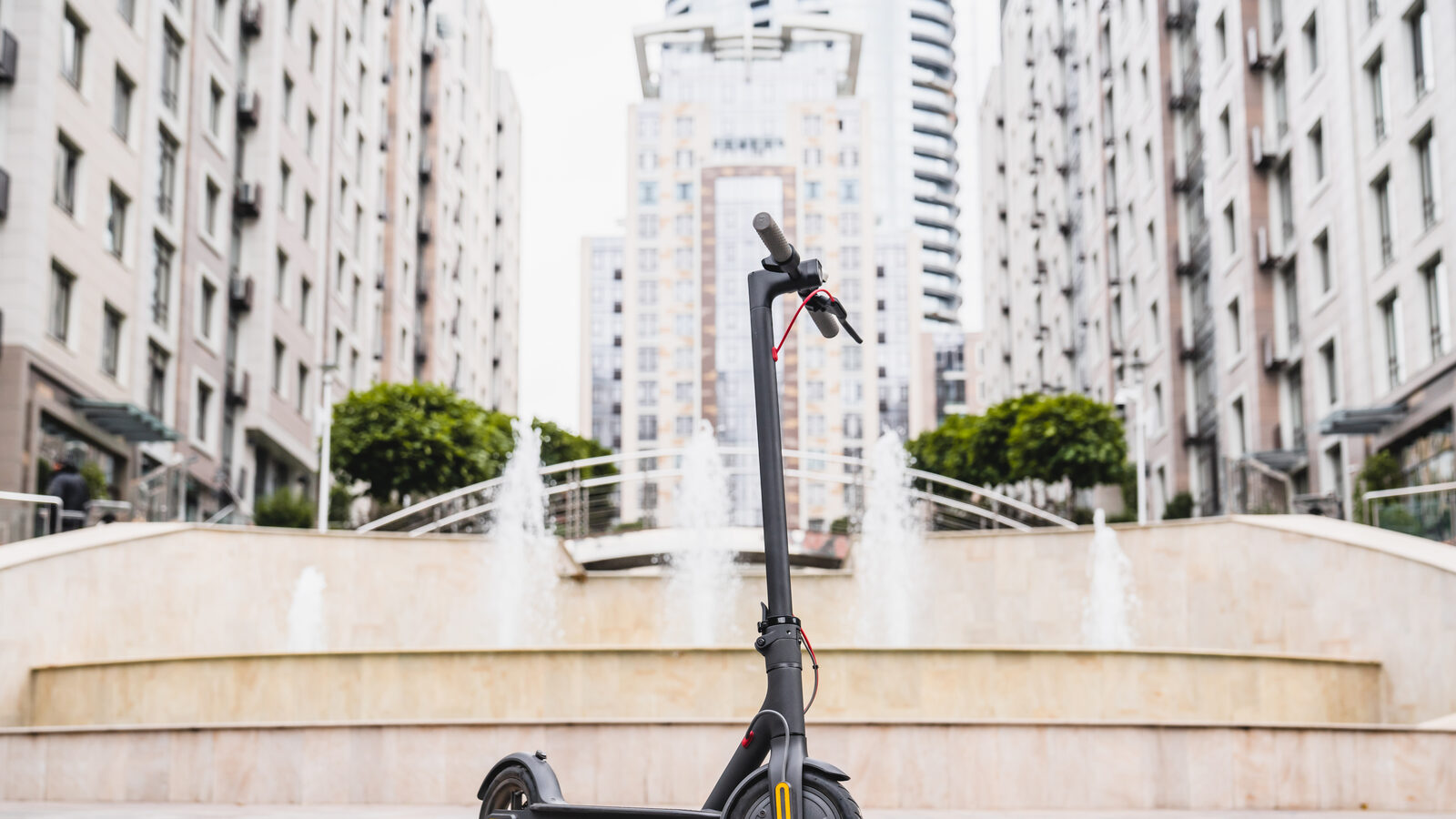
An electric scooter parked and standing upright in an urban area. Photo for illustration.
Key points
- No state or territory in Australia requires compulsory insurance for personal mobility device riders, legal-class scooters (25 km/h or under) are treated like bicycles.
- This differs from mopeds and motorbikes, which require CTP insurance as part of registration.
- Riding without insurance doesn't remove your personal liability if you injure someone or damage property, you can still be held responsible.
- The Insurance Council of Australia has publicly flagged this as a coverage gap as e-mobility devices have grown in number and speed.
- Some home and contents policies offer limited cover for the scooter itself, but rarely full public liability cover for injuries you cause to others, check your specific policy.
The legal position
No Australian jurisdiction currently requires e-scooter riders to carry insurance. Legal-class personal mobility devices, meaning those capped at 25 km/h, are treated broadly the same way as bicycles under state road rules: no registration, no licence, no compulsory insurance. This is a deliberate policy choice, not an oversight, the same treatment extends to bicycles for the same underlying reason, they're not classified as motor vehicles.
That's a real contrast with mopeds and motorbikes, which do require compulsory third party (CTP) insurance as part of their registration. Because e-scooters aren't registered vehicles, there's no equivalent scheme automatically attached to owning or riding one.
Why this matters even though it's legal
Not being required to carry insurance is not the same as being protected if something goes wrong. If you injure a pedestrian, collide with another rider, or damage property while riding, you can be held personally liable for the cost, the same basic legal principle that applies to anyone responsible for causing harm or damage. Without insurance, that liability sits with you directly, there's no compulsory third party scheme standing behind PMD riders the way there is for registered vehicles.
Barry Nilsson Law's analysis of this exact gap notes that the rapid growth in e-scooter numbers and speed capability has outpaced the insurance and registration framework built for a slower, lower-speed device, and that reform in this space has been an active policy discussion. The Insurance Council of Australia has made similar points in submissions on state e-mobility legislation, distinguishing between compliant, legal-class devices that stay outside the CTP scheme (like bicycles) and devices capable of exceeding 25 km/h, which several states are moving to treat more like registered motor vehicles precisely because of this liability question.
What cover actually exists
Some home and contents insurance policies extend limited cover to personal e-scooters, generally for theft or accidental damage to the scooter itself, but this varies considerably between insurers and policies, and it's a different question from public liability cover for injuries you cause someone else. Standalone personal liability insurance products exist and are worth investigating if you ride regularly, particularly in busy shared path areas, but check the product's fine print carefully: some liability policies exclude motorised devices entirely, precisely because e-scooters sit in an ambiguous space between "bicycle" and "motor vehicle" in how they're written.
The practical takeaway
If you're riding a legal-class e-scooter on shared paths in Australia, you're not breaking any law by doing so without insurance, but you're also not protected if you cause an accident. Given how straightforward and inexpensive standalone personal liability cover can be relative to the potential cost of an uninsured claim, it's worth treating as a genuine consideration rather than an afterthought, particularly if you're riding in busy urban areas covered in our guide to are electric scooters worth it in Australia. This applies whether you're riding a legal-class device on a public path or a faster scooter on private land, the liability principle doesn't change based on where you're riding.
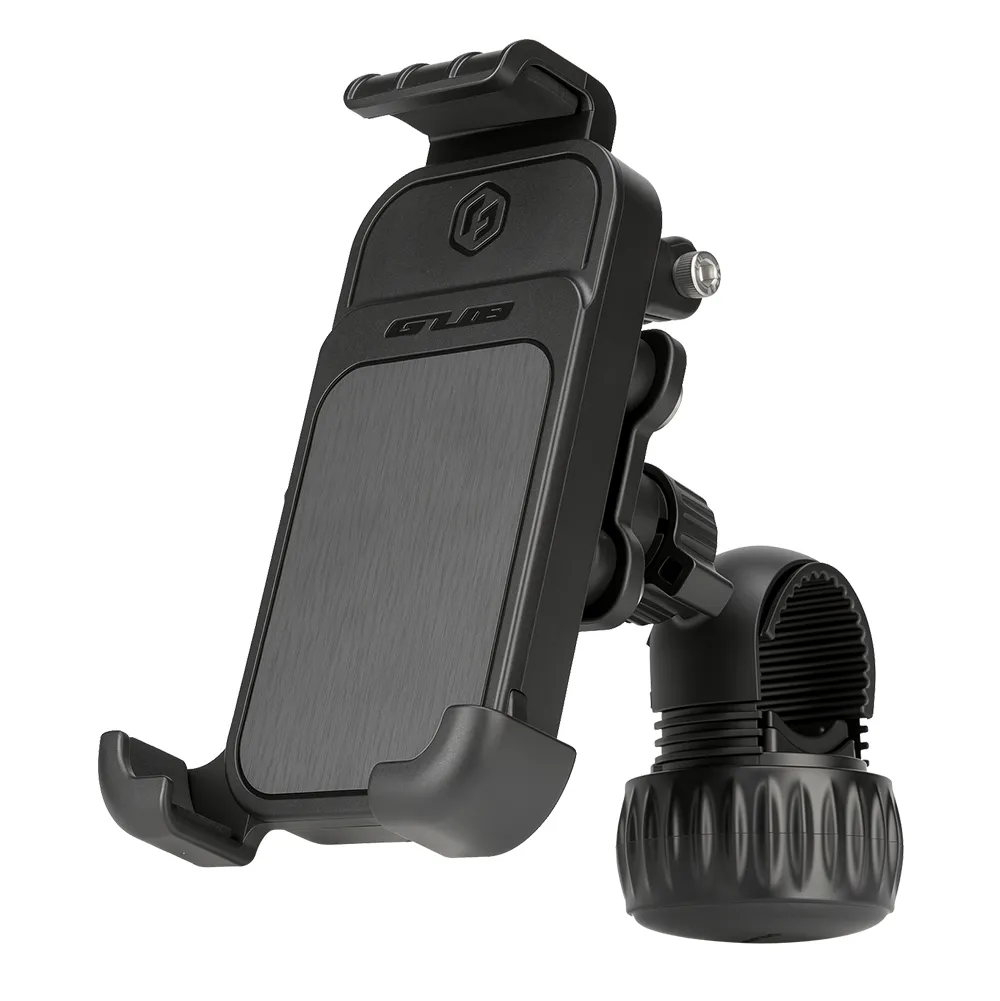
Phone mounts that fit e-scooter stems and bars and hold on over potholes and tram tracks. Ships from Australia, free shipping over $60.


Law updates, new models and buying guides for Australian e-scooter riders, straight to your inbox.
Not being required to have insurance isn't the same as being covered. If you cause an accident on an e-scooter, the absence of a compulsory scheme means that liability question lands squarely on you, not on a fund built for exactly this situation the way CTP is for registered vehicles.
Frequently asked questions
Is insurance legally required for an e-scooter in Australia?
No. Legal-class personal mobility devices are treated like bicycles in every state, unregistered with no compulsory insurance requirement.
What happens if I injure someone while riding an e-scooter?
You can be held personally liable for injury or property damage you cause. Without insurance, that liability falls directly on you.
Does home and contents insurance cover an e-scooter?
Sometimes, for theft or damage to the scooter itself, but this varies by insurer, and public liability cover for injuries to others is a separate question. Check your policy.
Do private land scooters need insurance?
No legal requirement, but the same liability principle applies regardless of device type or location.
Sources
- Insurance Council of Australia, via Insurance Business Australia coverage of the Queensland e-mobility bill (checked 16 Jul 2026)
- Barry Nilsson Law: Insurance and e-scooters, the need for legislative reform in Australia (checked 16 Jul 2026)
- SA Government My Licence: Personal Mobility Devices (checked 16 Jul 2026)
- Law Handbook SA: Electric scooters and other personal mobility devices (checked 16 Jul 2026)