
Are electric scooters worth it in Australia?
For most urban commuters using it to replace short public transport trips, yes, an electric scooter typically pays for itself within a year through fares saved, before you even count the time saved. Charging costs next to nothing, the scooter itself is the real cost, and how quickly it pays off depends on what you're replacing and whether you're legally allowed to ride it where you live.
Last reviewed 16 Jul 2026
Young adults relaxing near a parked electric scooter. Photo for illustration.
Key points
- Charging a commuter e-scooter costs roughly 15 to 20 cents per full charge at typical Australian electricity prices, a five-day-a-week commuter might spend under $50 a year on electricity.
- Sydney's Opal weekly cap is $50 for unlimited travel. At that rate, a year of public transport fares can run into the thousands, a legal-class scooter bought to replace those trips can pay for itself within a year.
- The scooter itself is the real cost. ScootFinder's verified legal-class commuters start at $1,199.
- It only stacks up where it's legal to ride and where the distance fits comfortably within the scooter's real world range, not just the claimed one.
- It's not purely financial: no timetable and no parking search for short trips, weighed against no weather protection and needing somewhere to store and charge it.
The math on an electric scooter is simple once you separate two very different costs: what you pay once to buy it, and what you pay every day to run it. Running costs are close to nothing. The purchase price is where the real decision sits.
What it actually costs to run
A typical commuter e-scooter battery holds roughly 0.4 to 0.55 kWh. At Australia's average residential electricity price of around 30 to 35 cents per kWh, a full charge costs somewhere around 15 to 20 cents. Charge it five days a week for a working year and you're looking at well under $50 in electricity, add a modest allowance for tyres and the occasional part and you're still a long way from what most people spend getting to work.
A worked example: Sydney
MAX G2 specification correction, 17 October 2026: The Australian MAX G2 specification lists a 551 Wh battery, front hydraulic, rear double suspension, 25 km/h supplied maximum and 900 W peak (450 W nominal) motor output. It is a run-out reference, not a current-stock or universal public-riding recommendation. Its 55 km catalogue range is an untested estimate. See the exact model and dated seller context; compare a broader current catalogue. Other historical cost and transport examples retain their own stated source dates.
What this math doesn't include
None of the above accounts for a helmet and any other gear, tyre wear and the odd service, the fact that a scooter doesn't work as well as transit in heavy rain or on very hot days, or that public transport gets you the whole way in weather a scooter won't. It also assumes you're genuinely swapping paid trips for the scooter, not just adding a fun way to get around on top of the transport pass you're still buying anyway. If you'd only use it occasionally, the payback period stretches out a lot.
When it's not worth it
The cost case only works if you can legally ride where you live. In NSW and the Northern Territory, private e-scooters currently aren't permitted in public at all, so the savings above simply aren't available, see are electric scooters legal in Australia before you buy with a commute in mind. It's also a poor swap if your commute is already short enough to walk comfortably, or long enough that it exceeds a scooter's realistic range, see how long e-scooter batteries actually last for what "real world range" actually means day to day.
The rough numbers
| Annual cost | |
|---|---|
| Charging a commuter e-scooter 5 days a week | Under $50 |
| Sydney Opal, capped at $50/week, most working weeks | Roughly $2,300 to $2,600 |
| MAX G2 run-out reference | Use dated model-page seller records; no current purchase quote inferred |
Illustrative, based on Transport for NSW's published Opal weekly cap and average Australian electricity prices, checked 16 July 2026. Your own commute, fare zone and riding frequency will change the numbers.
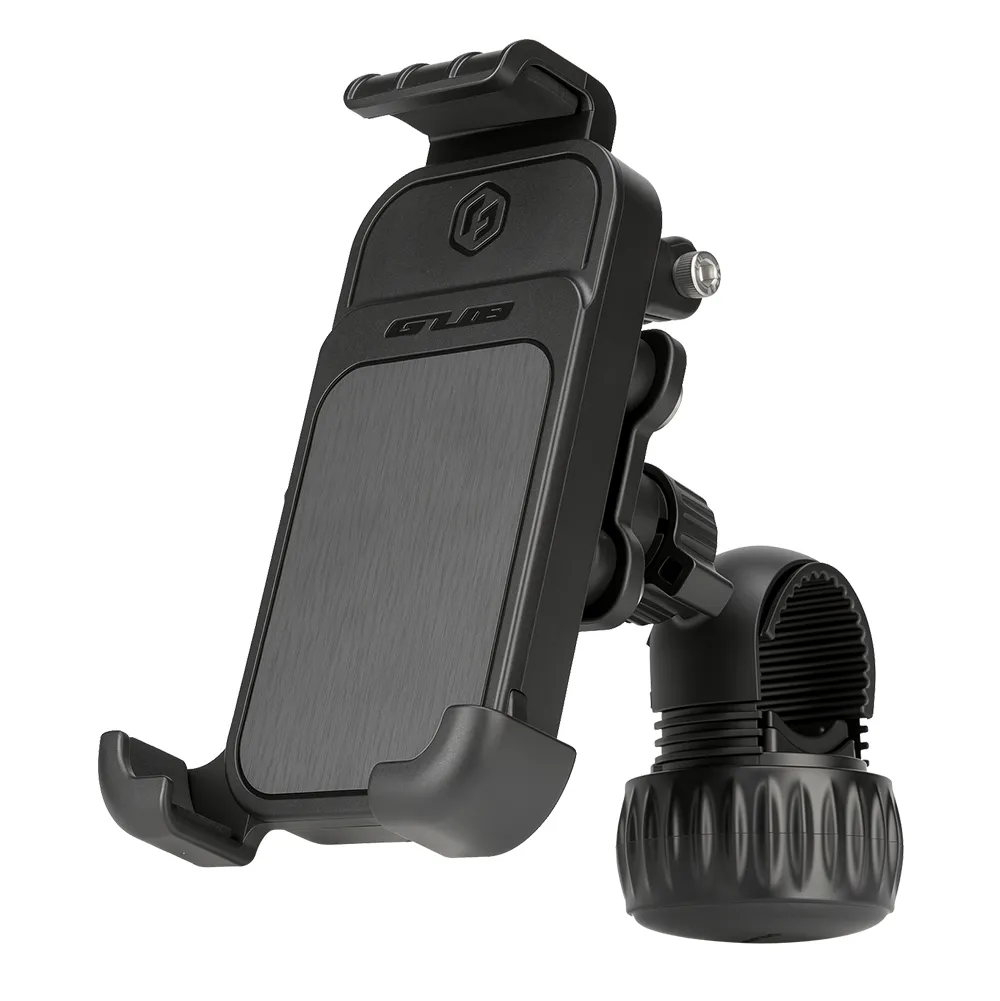
Phone mounts that fit e-scooter stems and bars and hold on over potholes and tram tracks. Ships from Australia, free shipping over $60.


Law updates, new models and buying guides for Australian e-scooter riders, straight to your inbox.
The scooter is the expense, riding it is basically free, the entire "is it worth it" question comes down to how many paid trips it genuinely replaces.
Frequently asked questions
How much does it cost to charge an electric scooter?
A typical commuter e-scooter battery holds roughly 0.4 to 0.55 kWh. At Australia's average residential electricity price of around 30 to 35 cents per kWh, a full charge costs somewhere around 15 to 20 cents. Charging five times a week for a year works out to well under $50 in electricity.
How long does an electric scooter take to pay for itself?
It depends entirely on what it's replacing. Using Sydney's Opal weekly travel cap of $50 as a worked example, a commuter fully replacing paid public transport trips with a legal-class scooter costing around $1,200 could recoup that cost in well under a year of fares saved.
Is an electric scooter cheaper than a car for commuting?
For running costs, yes, by a wide margin. Charging a scooter costs cents, where fuel, parking, rego and insurance for even occasional car commuting adds up to real money. A scooter doesn't replace a car for longer trips, bad weather, or carrying passengers and cargo though.
Are electric scooters worth it if I can't ride on public paths where I live?
No, not for commuting purposes. If you're in NSW or the Northern Territory, where private e-scooters currently aren't permitted in public, the cost case falls apart because you can't legally use it for the trips that generate the savings.
Sources
- Transport for NSW: Adult Opal fares (checked 16 Jul 2026)
- Transport for NSW: Weekly travel caps remain as annual Opal fare rise comes into effect (checked 16 Jul 2026)
- Transport Victoria: Metropolitan train, tram and bus fares (checked 16 Jul 2026)
- Canstar: Average electricity price per kWh in Australia (checked 16 Jul 2026)
- Segway-Ninebot Australia MAX G2 battery, suspension, AU configuration and range conditions (checked 17 Oct 2026)