The complete guide to buying your first electric scooter
Buying your first electric scooter in Australia isn't really about picking a model first, it's about working through a short list of questions in the right order: is it legal where you'll ride it, what do you actually need it for, and only then, which scooter fits. Get the order right and the model choice gets a lot easier.
Last reviewed 16 Jul 2026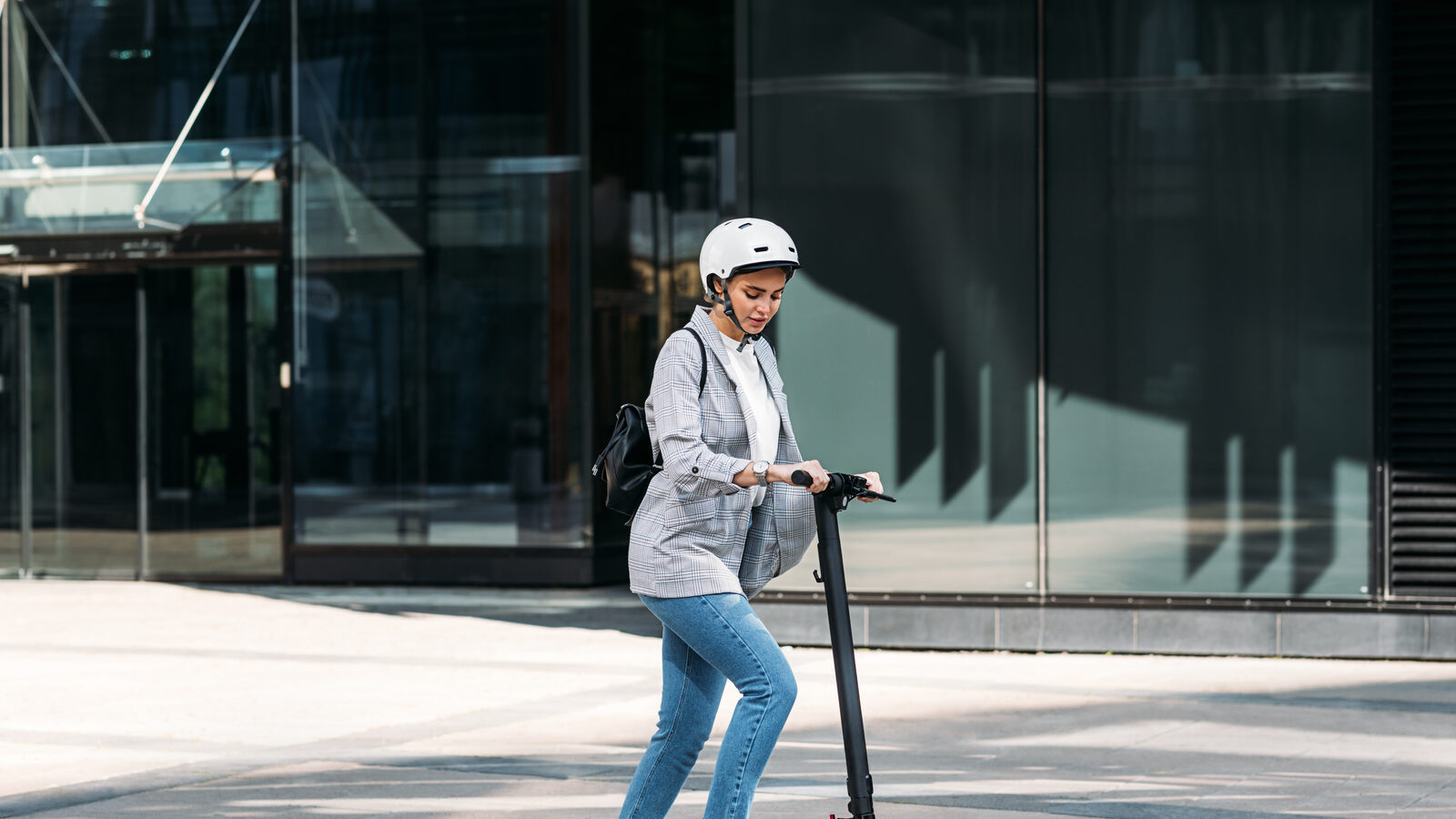
Woman wearing a helmet riding an electric scooter past a glass office building in an Australian city. Photo for illustration.
Key points
- Start with legality, not specs. NSW and the Northern Territory currently don't permit private e-scooters in public at all, no scooter changes that.
- Decide whether you need a legal-class commuter (genuinely limitable to 25 km/h) or you're buying for private land, they're different categories with different scooters.
- Weight matters more than most first-time buyers expect, if you'll carry it daily, that should outweigh a longer range on paper.
- Set your budget around your actual use case. ScootFinder's verified legal-class commuters start at $1,199, performance scooters run higher.
- A helmet is mandatory everywhere in Australia, budget for one, and buy your scooter from an authorised Australian distributor for a compliant charger and battery.
Compare the current shortlist
 CommuterRun-out
 Commuter
 Commuter
 Commuter
 CommuterNew
 CommuterNew
Compare the shortlist
Range estimates are ScootFinder estimates unless a tested result is explicitly labelled. Claimed range is the manufacturer's published best-case figure.
| Model | Dated price, AUD | Range, Estimated | Range, Claimed | Weight | Payload | Top speed | Legal class |
|---|---|---|---|---|---|---|---|
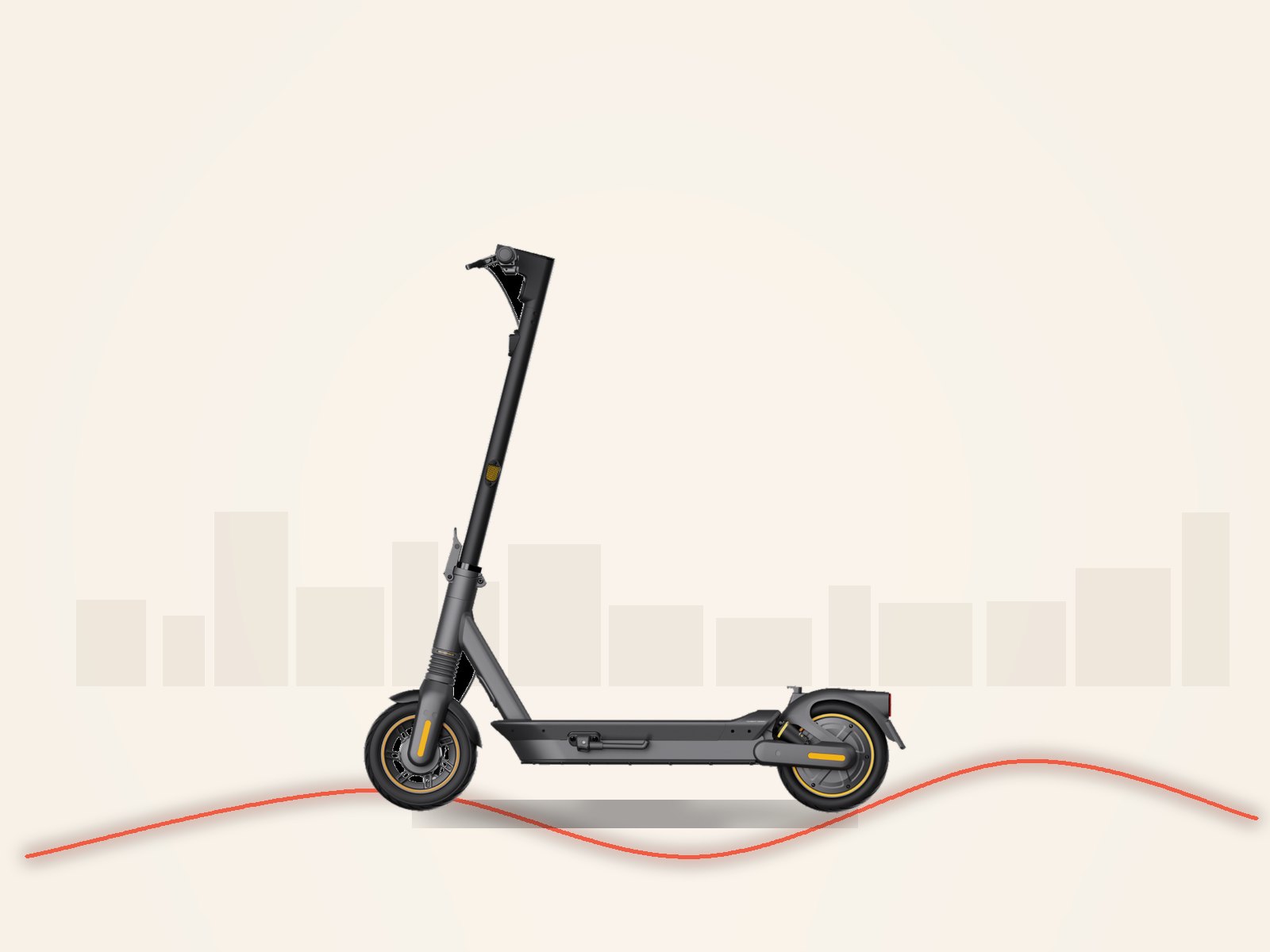
| Segway Ninebot Max G2 | $1,299 | 55 km | 70 km | 24.3 kg | 120 kg | 25 km/h | 25 km/h capable |
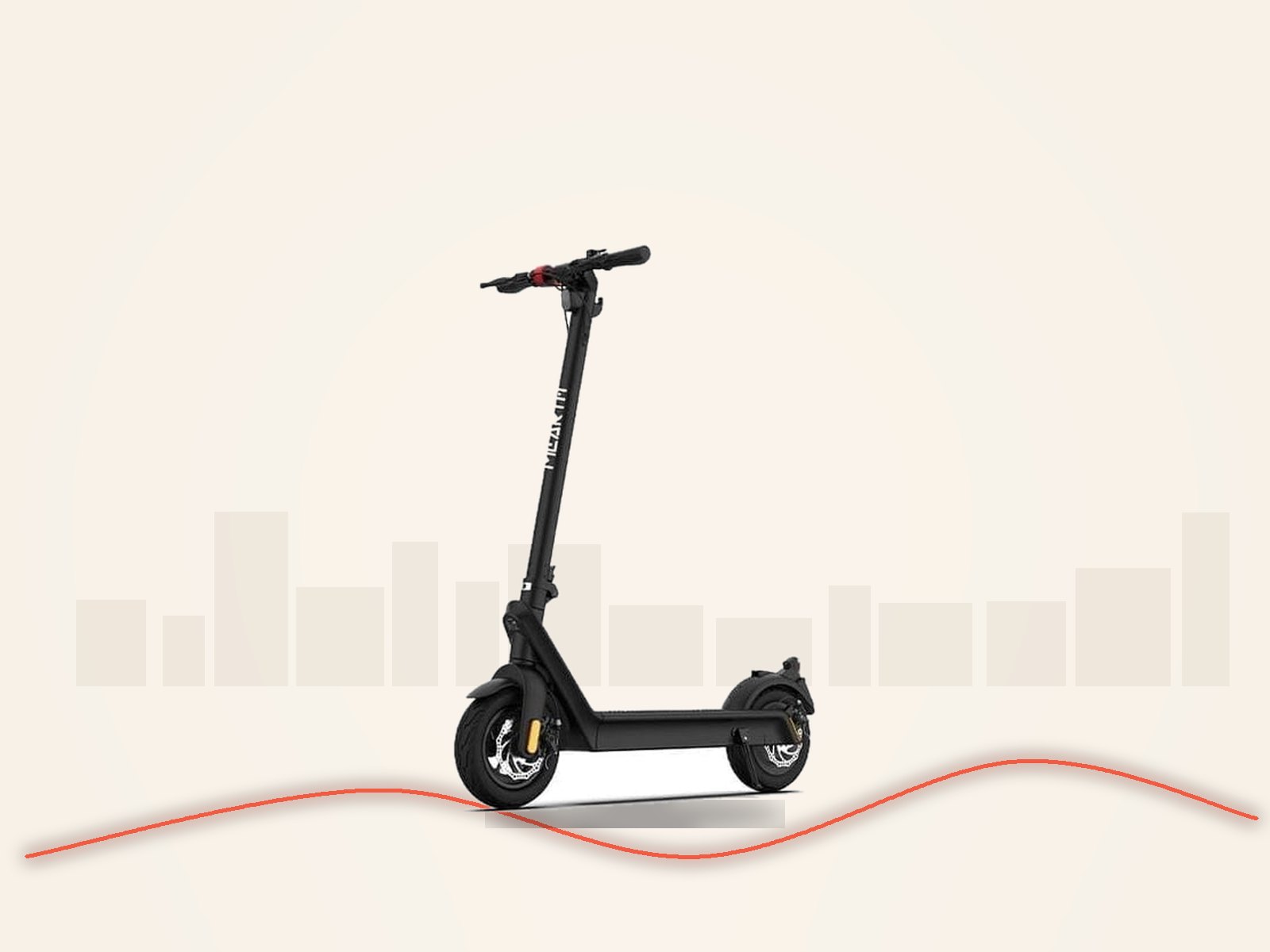
| Mearth RS Pro | $1,399 | 70 km | 100 km | 23 kg | 100 kg | 40 km/h | 25 km/h capable |
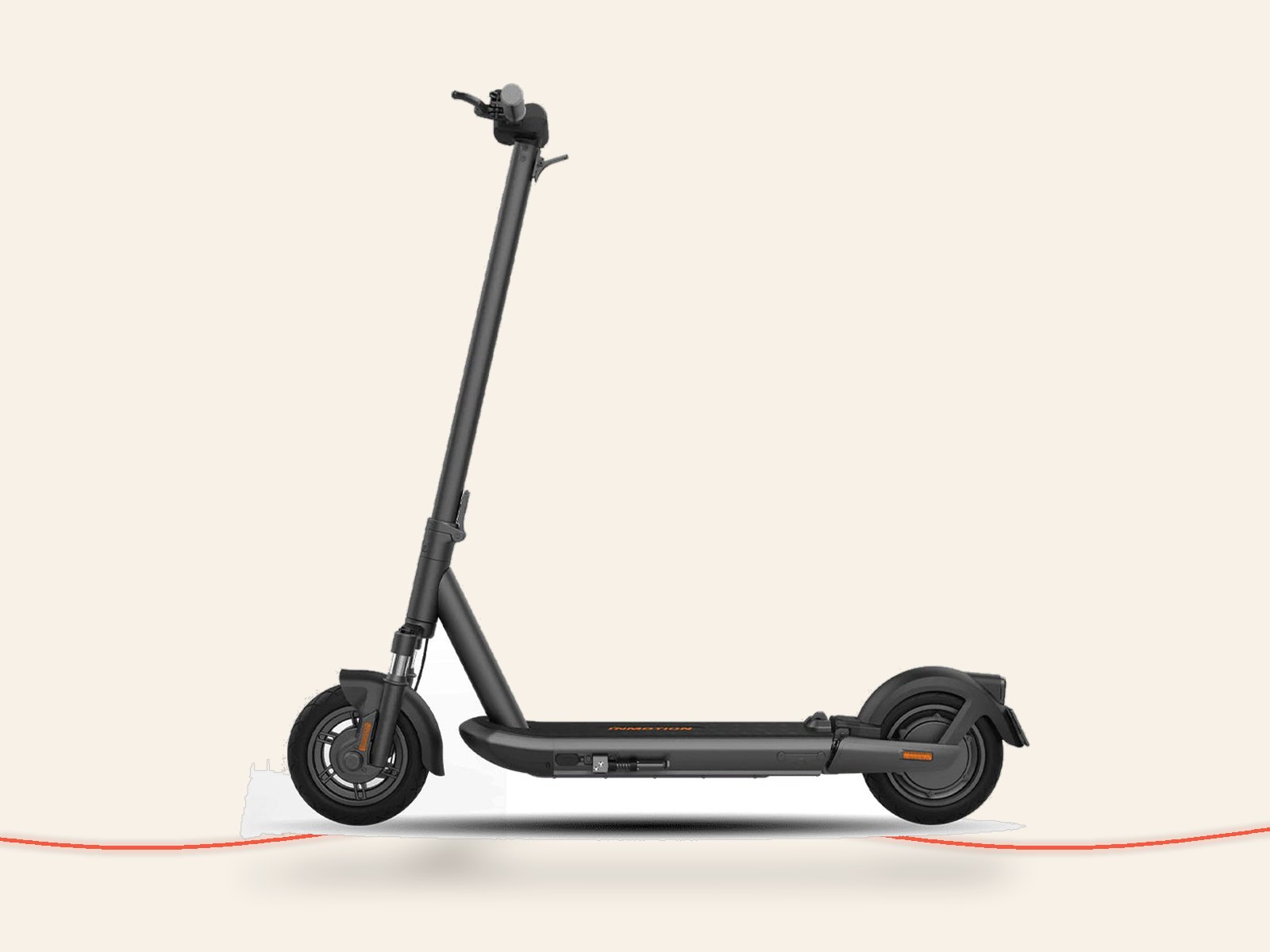
| Inmotion S1 | $1,099 | 65 km | 95 km | 24 kg | 140 kg | 30 km/h | 25 km/h capable |
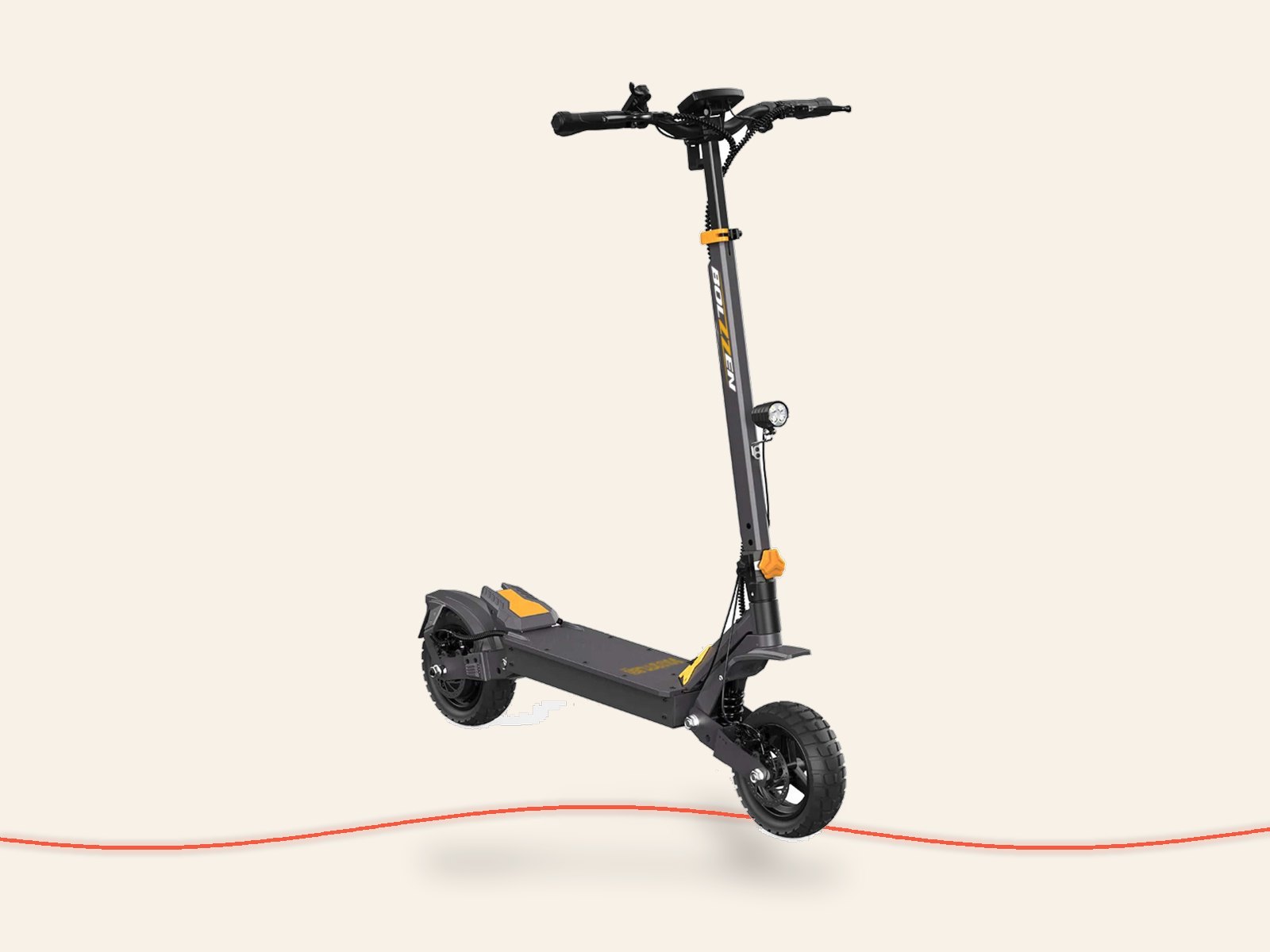
| Bolzzen Hustler 4816 | $1,199 | 60 km | 70 km | 27.4 kg | 130 kg | 50 km/h | 25 km/h capable |
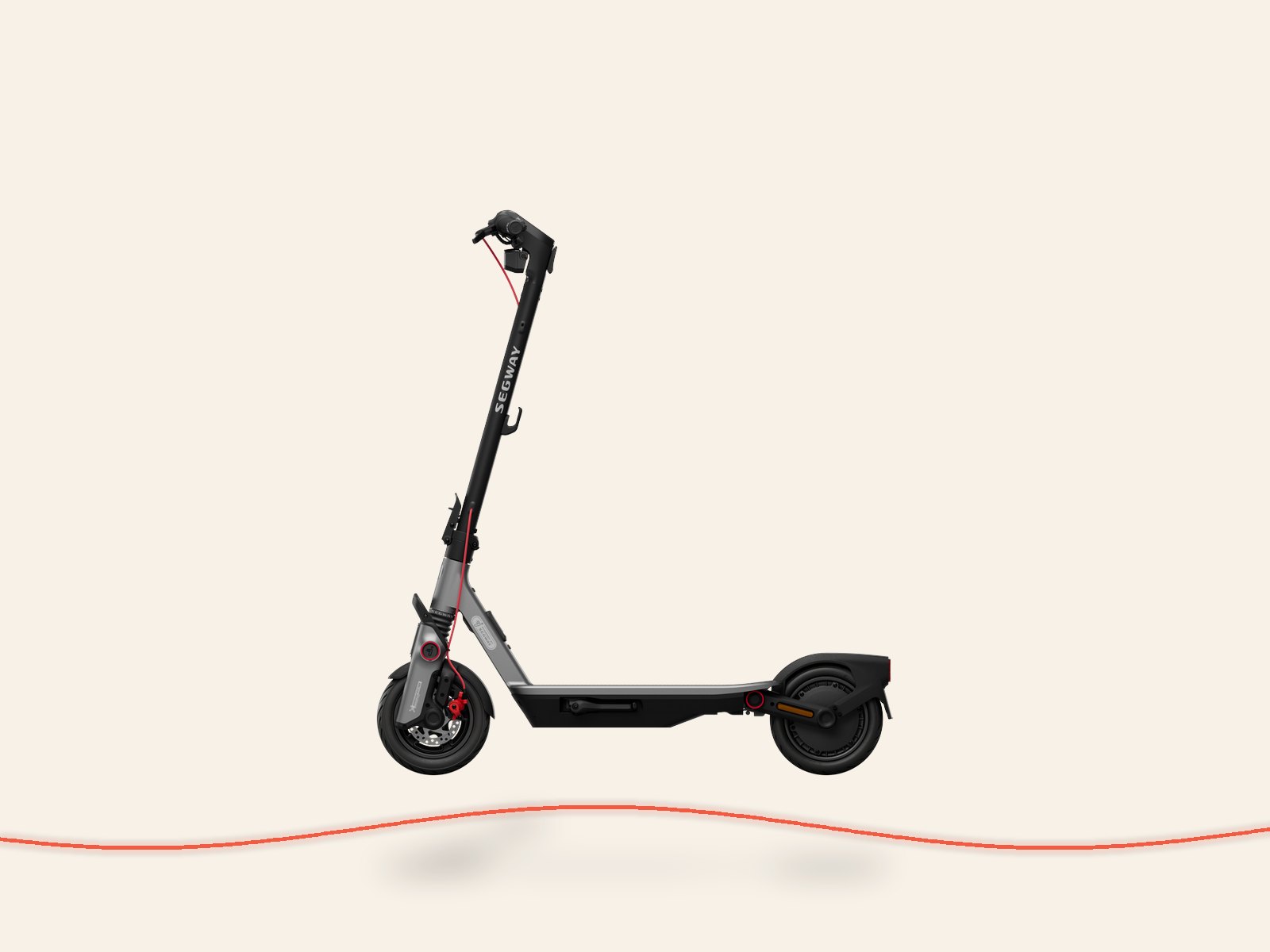
| Segway F3 | $1,199 | 49 km | 70 km | 18.6 kg | 120 kg | 25 km/h | 25 km/h capable |
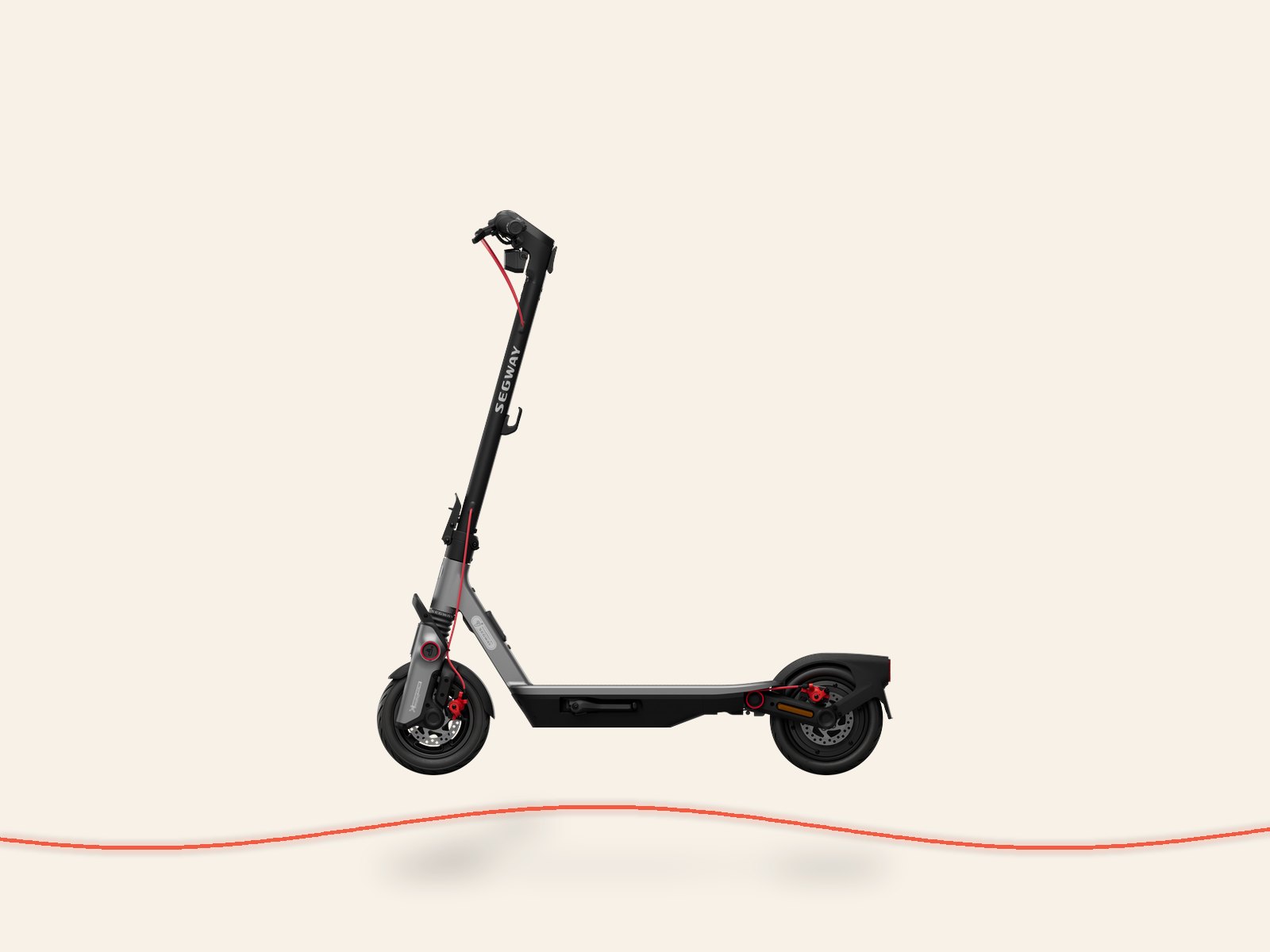
| Segway F3 Pro | $1,399 | 49 km | 70 km | 19.3 kg | 120 kg | 25 km/h | 25 km/h capable |
Why each model made the list
Segway Ninebot Max G2
- Why shortlist it
- Class leading real world range for the price, self healing tubeless tyres and a smooth ride from a well proven brand with local support.
- Trade-off
- At 24.3 kg it remains heavy to carry, despite having front hydraulic and rear double suspension. It is a run-out model, so exact condition and parts support matter.
Mearth RS Pro
- Why shortlist it
- Compare the return-trip range allowance and tyre maintenance needs, then confirm compatible parts and Australian seller support.
- Trade-off
- The manufacturer's own 100 km range claim is a best-case lab figure (flat, light rider, 15 km/h); no independent real world figure could be verified. No suspension.
Inmotion S1
- Why shortlist it
- A big 675 Wh battery giving strong claimed range plus a high 140 kg max rider weight, ships default-limited to 25 km/h.
- Trade-off
- Basic front drum brake, and unlocked top speed of 30 km/h is modest compared with faster private-land scooters.
Bolzzen Hustler 4816
- Why shortlist it
- A big claimed 70 km range and 130 kg rider capacity for the price, with coil-over suspension front and rear.
- Trade-off
- Single motor means less hill-climbing punch than Bolzzen's SuperStreet or Phoenix, and 27.4 kg is not the lightest fold.
Segway F3
- Why shortlist it
- Light at 18.6 kg with front hydraulic suspension and tubeless tyres for its price point.
- Trade-off
- The rear brake is electronic rather than a second mechanical disc, and Segway's 70 km claim is measured at low speed.
Segway F3 Pro
- Why shortlist it
- Hydraulic front suspension and IPX6 water resistance at a mid commuter price point.
- Trade-off
- It is heavier and dearer than the base F3, while the 70 km claim still comes from a low-speed test.
Step 1: Check your state's laws first
Before you look at a single spec sheet, confirm you can actually ride a private e-scooter where you live. NSW and the Northern Territory currently allow only approved shared hire scooters in public, a private e-scooter there is a private-property-only purchase. Everywhere else, private e-scooters are permitted within state-specific speed caps and rules. See are electric scooters legal in Australia for the national picture, and our full state-by-state law guide for the detail on your specific state.
Step 2: Decide what you actually need it for
There are really two different products hiding under "electric scooter". A legal-class commuter is built to be genuinely limited to 25 km/h and ridden on public footpaths, bike paths and permitted roads. A performance scooter, faster, heavier, often dual motor, is a private land device in Australia regardless of state, full stop. Buying a fast scooter because the spec sheet looks impressive, then discovering it isn't legal to ride to work, is the single most common first-time buyer mistake. Our 2026 buying guide sorts ScootFinder's verified catalogue into both categories.
Step 3: If you're buying for public riding, confirm the 25 km/h lock is genuine
Not every fast-looking scooter can be honestly limited to the legal class, and the ones that can need the limit set correctly before you ride. See how to limit your e-scooter to 25 km/h for how that actually works, and which of our catalogue scooters support it.
Step 4: Weigh weight against range for your actual commute
MAX G2 specification correction, 17 October 2026: The Australian MAX G2 specification lists a 551 Wh battery, front hydraulic, rear double suspension, 25 km/h supplied maximum and 900 W peak (450 W nominal) motor output. It is a run-out reference, not a current-stock or universal public-riding recommendation. Its 55 km catalogue range is an untested estimate. See the exact model and dated seller context; compare a broader current catalogue. Other historical cost and transport examples retain their own stated source dates.
Step 5: Set a budget that matches your use case, and check the real payback
ScootFinder's verified legal-class commuters start at $1,199. That's the number to budget around if you're commuting, not the price of a performance scooter you won't legally be able to use the same way. See are electric scooters worth it in Australia for a worked example of how quickly a commuter scooter can pay for itself in fares saved, and whether that math applies to your situation.
Step 6: Understand battery care before you ride
A scooter's battery is the part that ages, and the part that carries a genuine fire risk if it's mistreated. Before your first ride, it's worth knowing how long e-scooter batteries actually last and, more importantly, how to charge and store one safely. This isn't optional reading, lithium-ion battery fires linked to e-micromobility devices are a real and rising issue in Australia.
Step 7: Buy from an authorised Australian distributor
Every scooter in ScootFinder's catalogue is sold through an official Australian distributor with a manufacturer-supplied charger and, in NSW, has to meet the state's mandatory safety standard for e-mobility devices to be legally sold at all. Buying grey-import or third-party-charger setups to save money is the single easiest way to undermine both your warranty and your safety, we'd steer well clear.
Step 8: Budget for the gear, starting with a helmet
A helmet is mandatory for e-scooter riders in every Australian state and territory, with no exceptions for adults, budget for a proper, correctly fitted one as part of the purchase, not an afterthought. Depending on your state, you may also need lights or reflective gear for low light riding, check the specific requirements in our state-by-state law guide.
If you're buying for private land, not public riding
The legality question above still matters, it's what tells you a performance scooter is a private-land purchase, but from there the decision is mostly about power, range and ride quality rather than a speed lock. If that's you, an e-scooter vs e-bike comparison is less relevant, and you can go straight to comparing the performance models in our buying guide.
The order to work through it
| Step | Question | Where to check |
|---|---|---|
| 1 | Can I legally ride a private e-scooter here at all? | Are e-scooters legal in Australia |
| 2 | Am I buying for public paths or private land? | Best electric scooters 2026 |
| 3 | If public, is the 25 km/h lock genuine? | How to limit to 25 km/h |
| MAX G2 run-out reference | Use dated model-page seller records; no current purchase quote inferred | |
| 5 | Does the cost actually stack up for my commute? | Are e-scooters worth it |
| 6 | Do I know how to charge and store it safely? | Battery care and fire safety |
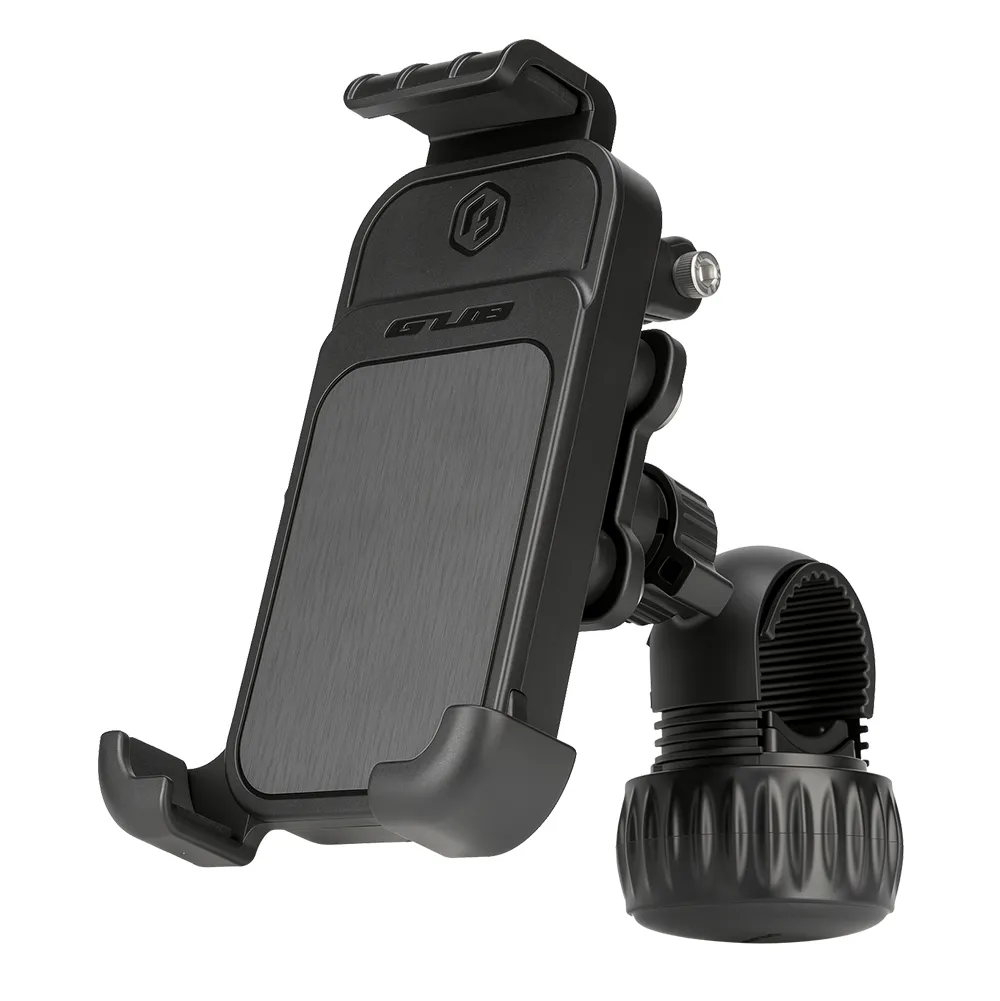
Phone mounts that fit e-scooter stems and bars and hold on over potholes and tram tracks. Ships from Australia, free shipping over $60.


Law updates, new models and buying guides for Australian e-scooter riders, straight to your inbox.
Most first-time buyers start with "which scooter is fastest or has the longest range". Start with "where am I actually allowed to ride this" instead, and the rest of the decision gets a lot simpler.
Frequently asked questions
What should I look for before buying my first electric scooter?
In order: confirm your state permits private e-scooters, decide whether you need a legal-class device for public paths or a performance scooter for private land, weigh weight against range for your commute, set a realistic budget including a helmet, and buy from an authorised Australian distributor.
Is it legal to buy an electric scooter in Australia?
Yes, buying and owning an e-scooter is legal everywhere in Australia. Where and how you're allowed to ride it in public is the part that varies by state.
How much should I spend on my first electric scooter?
In ScootFinder's verified catalogue, legal-class commuters start at $1,199, rising to $4,299 for a dual motor performance flagship. Your budget should follow your use case.
What accessories do I need for an electric scooter?
A helmet is mandatory in every Australian state and territory, with no exceptions for adults. Beyond that, a decent lock if you'll be leaving it unattended, and check whether your state requires lights or reflective gear for low light riding.
Sources
- ScootFinder.au verified catalogue and compliance engine (lib/scooters/) (checked 16 Jul 2026)
- Segway-Ninebot Australia MAX G2 battery, suspension, AU configuration and range conditions (checked 17 Oct 2026)