
Are electric scooters legal in Australia?
Separate the device definition from riding speed, rider age and the route. A 25 km/h app setting alone does not establish public-use eligibility. Compare the exact Australian configuration and the requirements below before buying.
Last reviewed 17 Oct 2026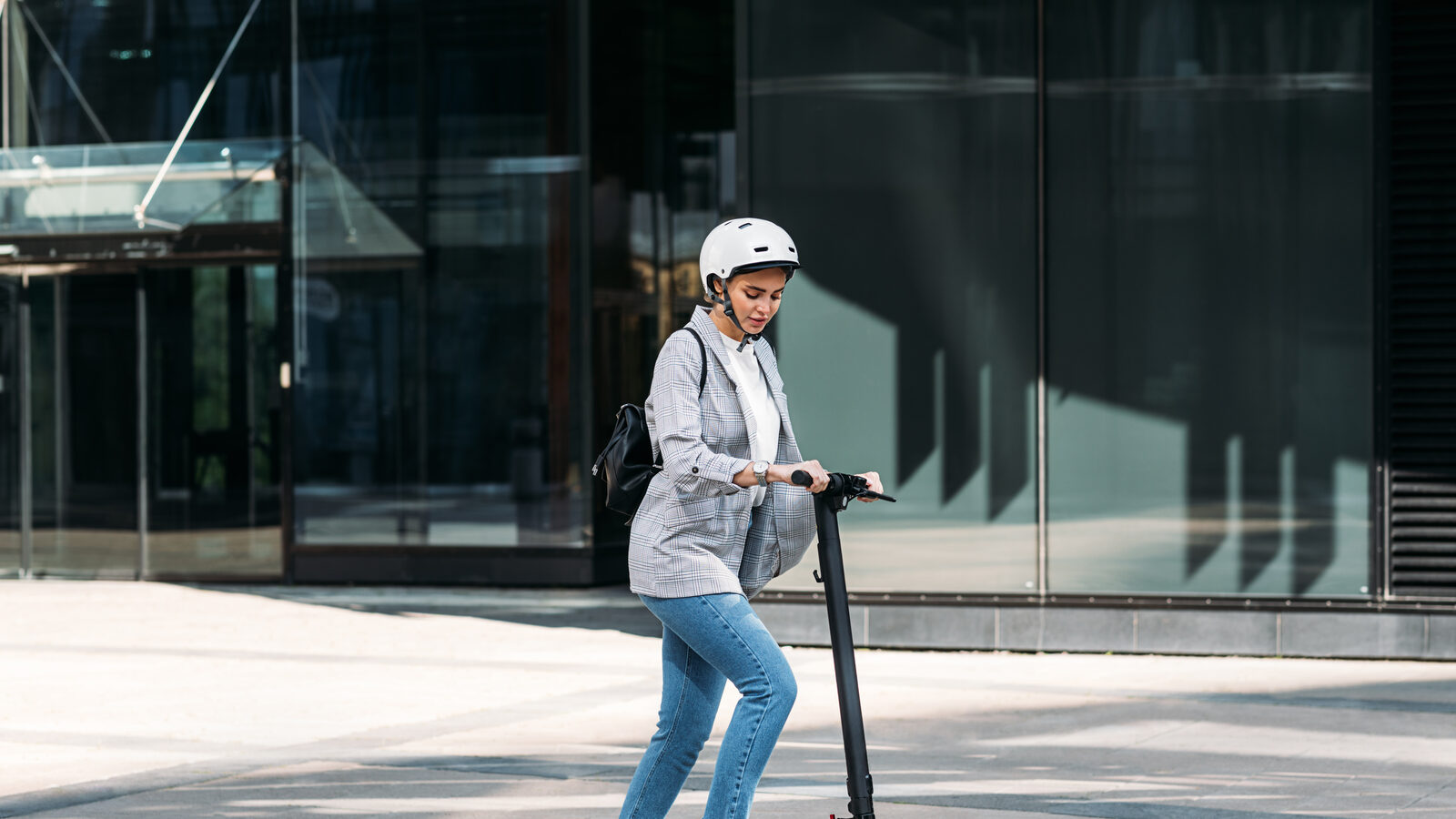
Woman wearing a helmet riding an electric scooter past a glass office building in an Australian city. Photo for illustration.
Key points
- Check the exact Australian unit, not an overseas or sibling model.
- Maximum device capability and riding-speed caps are different.
- Unknown required dimensions, wheelbase, power or configuration are not an approval.
Legality depends on your state
A 25 km/h-capable label is a speed feature, not public-use approval. Device weight, dimensions, wheelbase, maximum power and Australian configuration can change the result. It does not override where, how fast or by whom it may be ridden. Check the current official rule for your jurisdiction before buying or riding.
Before you buy or ride
Separate the device definition from riding speed, rider age and the route. A 25 km/h app setting alone does not establish public-use eligibility. Compare the exact Australian configuration and the requirements below before buying.
New South Wales: check the exact device
Personal e-scooters are not permitted on NSW roads or road-related areas; shared hire trials are separate.
Riding speed and places
Personal devices: private property only. Shared hire devices: approved trial areas and trial rules.
Rider age, licence and exceptions
Personal devices remain private-property only; hire-trial rider conditions are separate.
Transport for NSW current guidance, checked 2026-10-17. Check a specific device for NSW.
Victoria: check the exact device
Private class A: no more than 45 kg, maximum 25 km/h capability on level ground, two inline wheels, footboard and handlebars. Heavier shared-hire classes do not approve private devices.
Riding speed and places
20 km/h riding maximum; no footpaths. Shared paths, bicycle paths and permitted roads up to 60 km/h; obey signs and give way.
Rider age, licence and exceptions
Riders must be 16 or older.
Transport Victoria current guidance, checked 2026-10-17. Check a specific device for VIC.
Queensland: check the exact device
No more than 60 kg, 750 mm wide and 1350 mm high; wheelbase no more than 1100 mm for two or more axles. Effective stopping system and a warning device where required. The current PMD definition includes motor-only capability no more than 25 km/h. Through 28 February 2027, a transition covers devices manufactured before 1 July 2026 that met the former definition. A model year or app mode does not establish this exception; we do not presume it for unverified units.
Riding speed and places
12 km/h on footpaths and crossings, and when passing pedestrians on shared paths. Otherwise obey signed path limits up to 25 km/h. Roads up to 60 km/h and specified bicycle-lane exceptions; check signs and the route.
Rider age, licence and exceptions
General rule: age 16+ and a valid learner-or-higher driver licence. Specified exceptions cover supervised riders aged 12 to 17 (including unlicensed 16 and 17 year olds), eligible medical exemptions for riders 16+, and designated recreational areas. Supervision and exemption conditions still apply. A transitional reasonable-excuse provision for the licence requirement runs through 29 November 2026; it is not a blanket licence exemption.
Queensland Government current guidance, checked 2026-10-17. Check a specific device for QLD.
South Australia: check the exact device
No more than 45 kg and 1250 x 700 x 1350 mm; effective brakes, warning device and no dangerous protrusions. Check the exact device and local rules, not an app speed mode alone.
Riding speed and places
10 km/h on footpaths, shared paths, beaches and crossings; 25 km/h on permitted bicycle infrastructure and roads. On 60 km/h roads, e-scooters may use a bicycle lane only. PMDs are currently not carried on SA public transport.
Rider age, licence and exceptions
Riders must be 16 or older.
Government of South Australia (mylicence) current guidance, checked 2026-10-17. Check a specific device for SA.
Western Australia: check the exact device
No more than 25 kg and 1250 x 700 x 1350 mm; maximum 25 km/h capability on level ground.
Riding speed and places
10 km/h on footpaths and crossings; 25 km/h on permitted paths and roads up to 50 km/h. Give way and obey signs.
Rider age, licence and exceptions
Normal eRideable riders must be 16 or older. Lower-powered child devices have separate requirements; check the exact device.
WA Road Safety Commission current guidance, checked 2026-10-17. Check a specific device for WA.
Tasmania: check the exact device
PMD: no more than 45 kg and 1250 x 700 x 1350 mm (inclusive legislative boundaries), motor-only capability no more than 25 km/h and an effective stopping system. A separately defined maker-marked maximum 200 W / 10 km/h motorised scooter has different age treatment.
Riding speed and places
15 km/h on footpaths; 25 km/h on shared, bicycle and separated paths and permitted roads. Road access is restricted, including local roads up to 50 km/h without dividing lines or median strips unless declared otherwise.
Rider age, licence and exceptions
Normal PMD riders must be 16 or older. Younger riders may use the separately defined maker-marked maximum 200 W and 10 km/h motorised scooter; do not assume a kids label meets that definition.
Transport Tasmania current guidance, checked 2026-10-17. Check a specific device for TAS.
Northern Territory: check the exact device
Private motorised scooter: maximum combined motor output no more than 200 W and motor-only capability no more than 10 km/h, with the maker marking required by the definition. Rated power alone does not establish maximum output. Shared hire rules are separate.
Riding speed and places
The private low-power definition is limited to 10 km/h. Confirm permitted paths, road restrictions, helmet and warning equipment for the device; shared hire has separate rules.
Rider age, licence and exceptions
Check the low-power device definition and supervision appropriate to the child. A kids label or nominal 200 W rating does not verify the exception.
Northern Territory Government current guidance, checked 2026-10-17. Check a specific device for NT.
Australian Capital Territory: check the exact device
No more than 60 kg and 1250 x 700 x 1350 mm, effective brakes and maximum 25 km/h capability on level ground.
Riding speed and places
15 km/h on footpaths, 25 km/h on shared and bicycle paths, 10 km/h at crossings. Roads only when an adjacent path or nature strip is absent, unsafe or impractical; use the shortest practical route back to a path.
Rider age, licence and exceptions
Riders under 12 must be supervised by an adult; shared hire operators may impose a higher age.
ACT Government City Services current guidance, checked 2026-10-17. Check a specific device for ACT.
Use the buyer tools carefully
Filter the scooter directory, compare your shortlist and check the model for your state. Results use published evidence, not a physical certification. Confirm working brakes, warning device, lights, helmet, route signs and rider eligibility before riding.
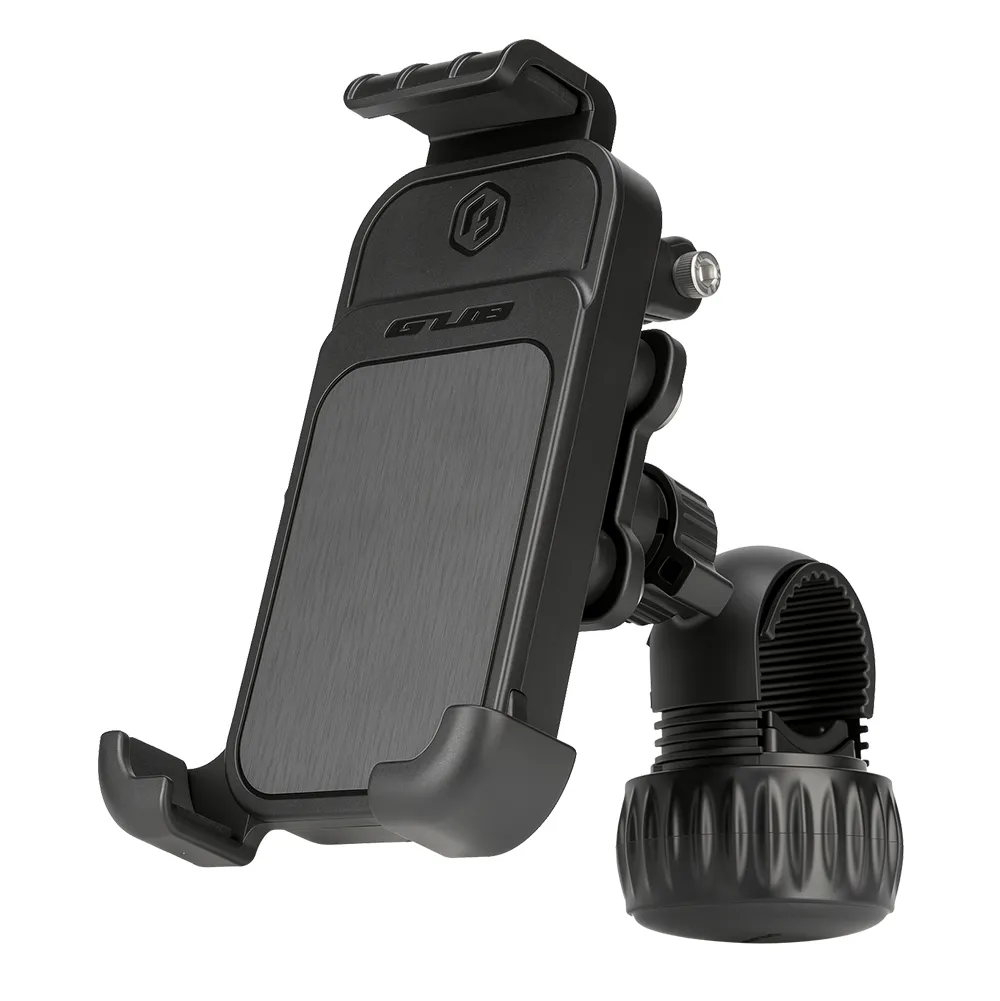
Phone mounts that fit e-scooter stems and bars and hold on over potholes and tram tracks. Ships from Australia, free shipping over $60.


Law updates, new models and buying guides for Australian e-scooter riders, straight to your inbox.
The speed on a display is not the whole device definition.
Frequently asked questions
Does a speed mode or retailer label establish legal eligibility?
No. Check maximum device capability, required weight, dimensions, stopping equipment and any wheelbase or power definition. Missing evidence stays unconfirmed. Rider conditions and permitted locations are separate.
What does Queensland's February 2027 transition mean?
The current PMD definition includes motor-only capability no more than 25 km/h. Through 28 February 2027, a transition covers devices manufactured before 1 July 2026 that met the former definition. A model year or app mode does not establish this exception; we do not presume it for unverified units.
Sources
- Transport for NSW (checked 17 Oct 2026)
- Transport Victoria (checked 17 Oct 2026)
- VIC operative legislation and history (checked 17 Oct 2026)
- Queensland Government (checked 17 Oct 2026)
- QLD operative legislation and history (checked 17 Oct 2026)
- QLD operative legislation and history (checked 17 Oct 2026)
- Government of South Australia (mylicence) (checked 17 Oct 2026)
- WA Road Safety Commission (checked 17 Oct 2026)
- Transport Tasmania (checked 17 Oct 2026)
- TAS operative legislation and history (checked 17 Oct 2026)
- Northern Territory Government (checked 17 Oct 2026)
- NT operative legislation and history (checked 17 Oct 2026)
- ACT Government City Services (checked 17 Oct 2026)
- ACT operative legislation and history (checked 17 Oct 2026)