

Compare electric scooters for real Australian life.
Start with your local rules, then compare price, realistic range, weight and performance across 104 models.
Where will you ride?
Choose your state or territory before you compare.
South Australia
Private scooters permittedPMDs must weigh no more than 45 kg, fit 1250 x 700 x 1350 mm and have effective brakes and a warning device. Riders must be 16 or older. The cap is 10 km/h on footpaths, shared paths, beaches and crossings, and 25 km/h on bicycle infrastructure and permitted roads. On 60 km/h roads, e-scooters may use a bicycle lane only. PMDs currently cannot be carried on SA public transport.
Trending in Australia
See the top 10What Australians are buying in October 2026, from retailer best seller lists checked 4 Oct 2026.
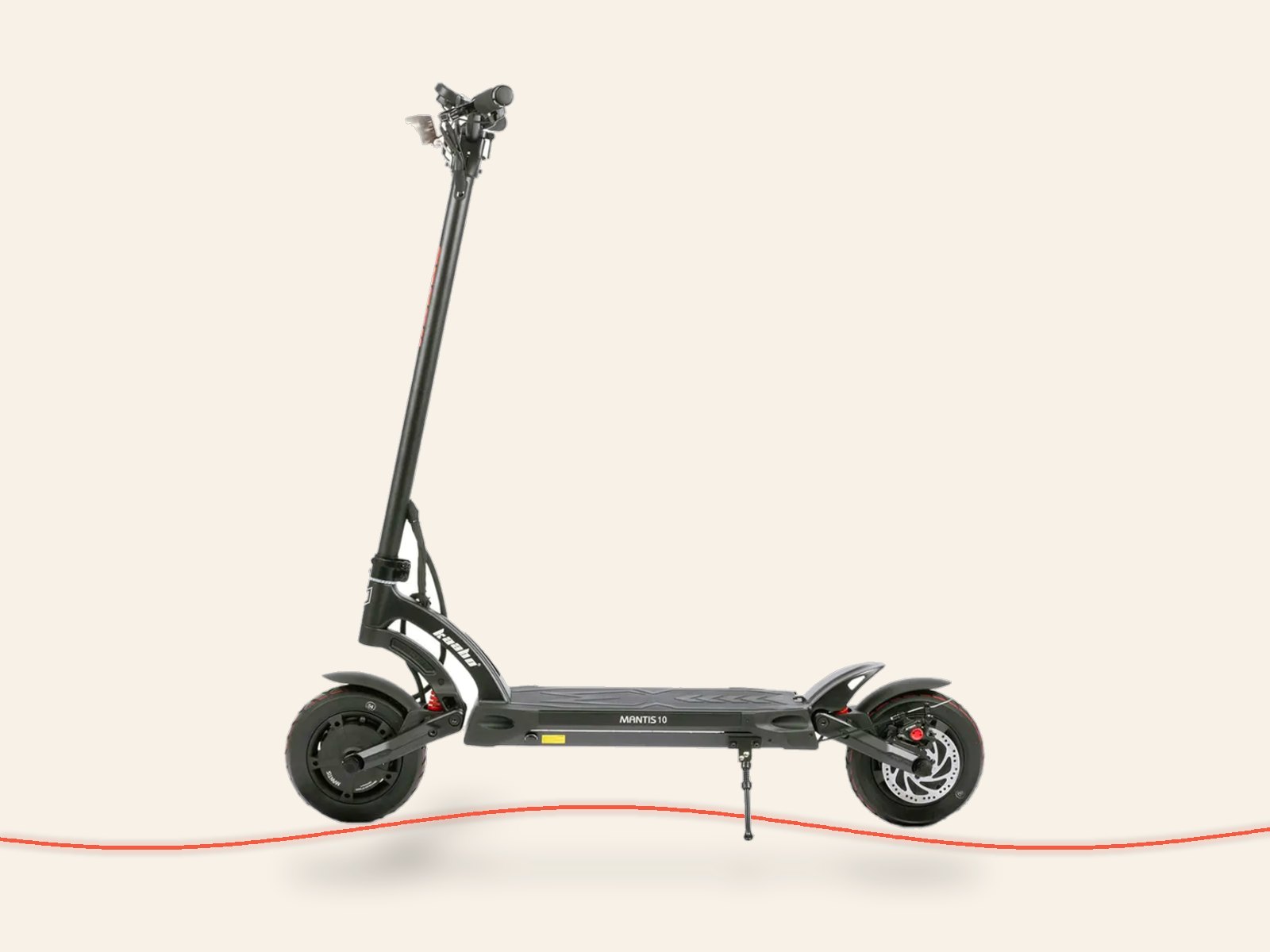 Trending #1
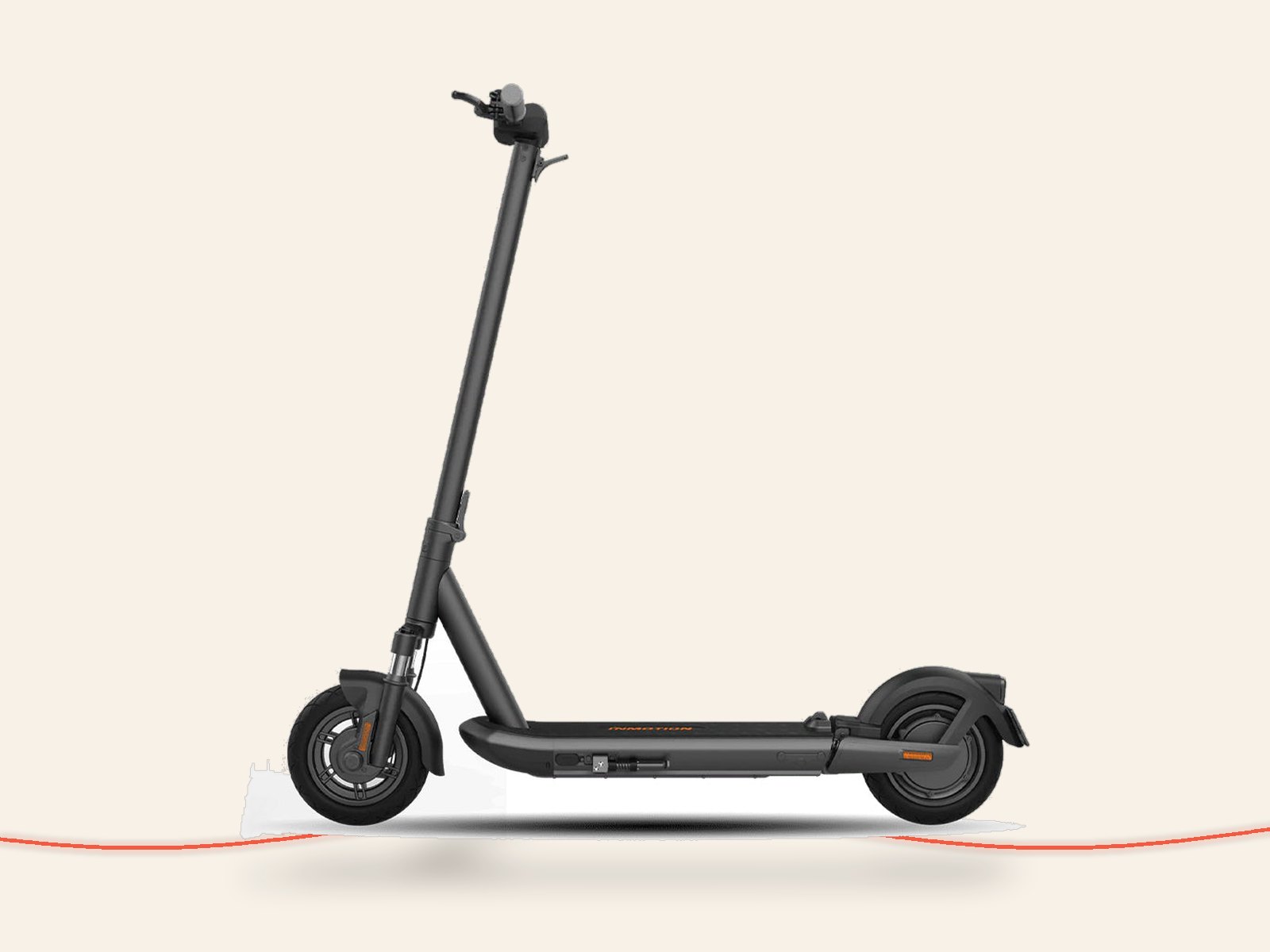 Trending #2
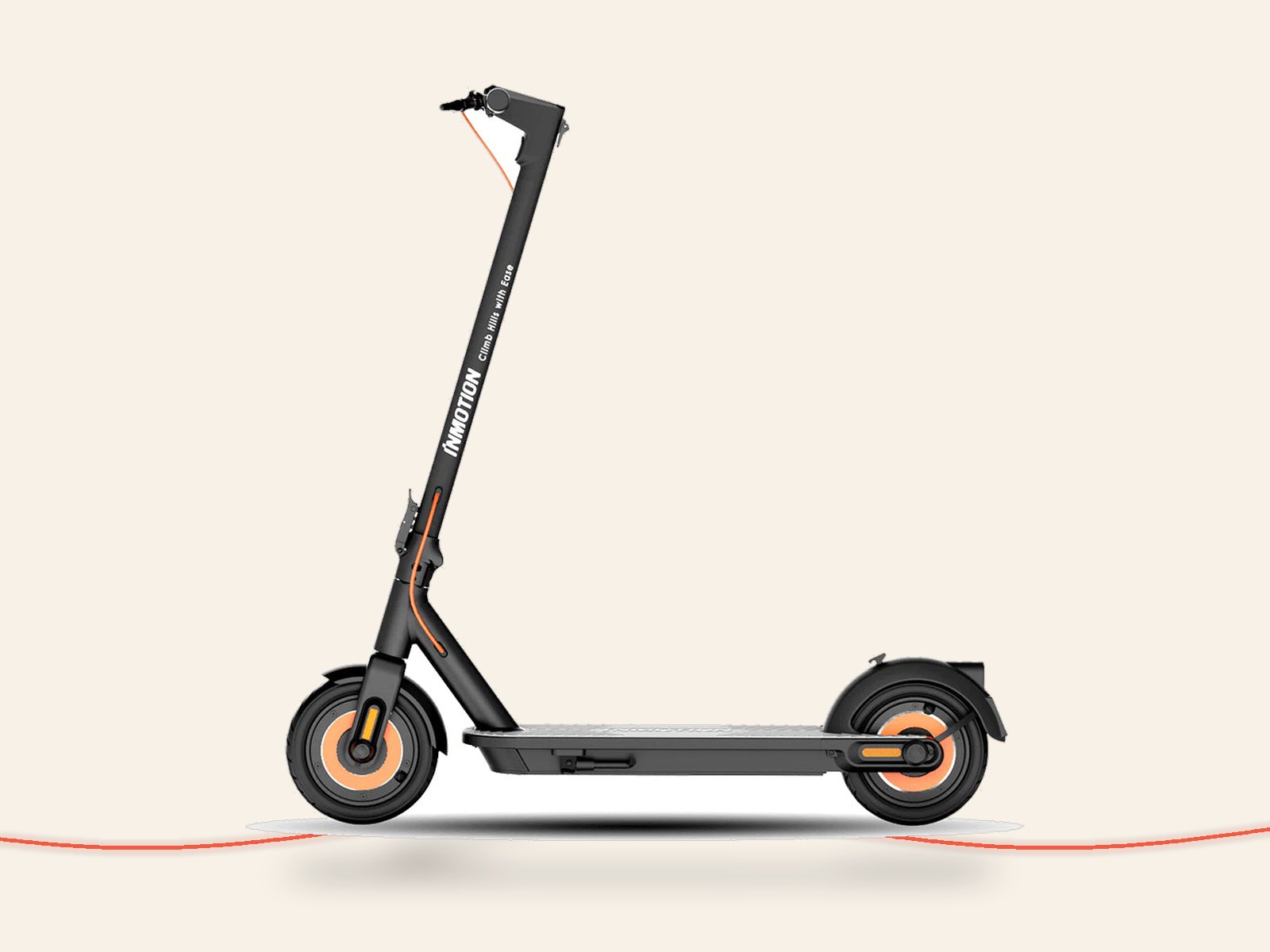 Trending #3
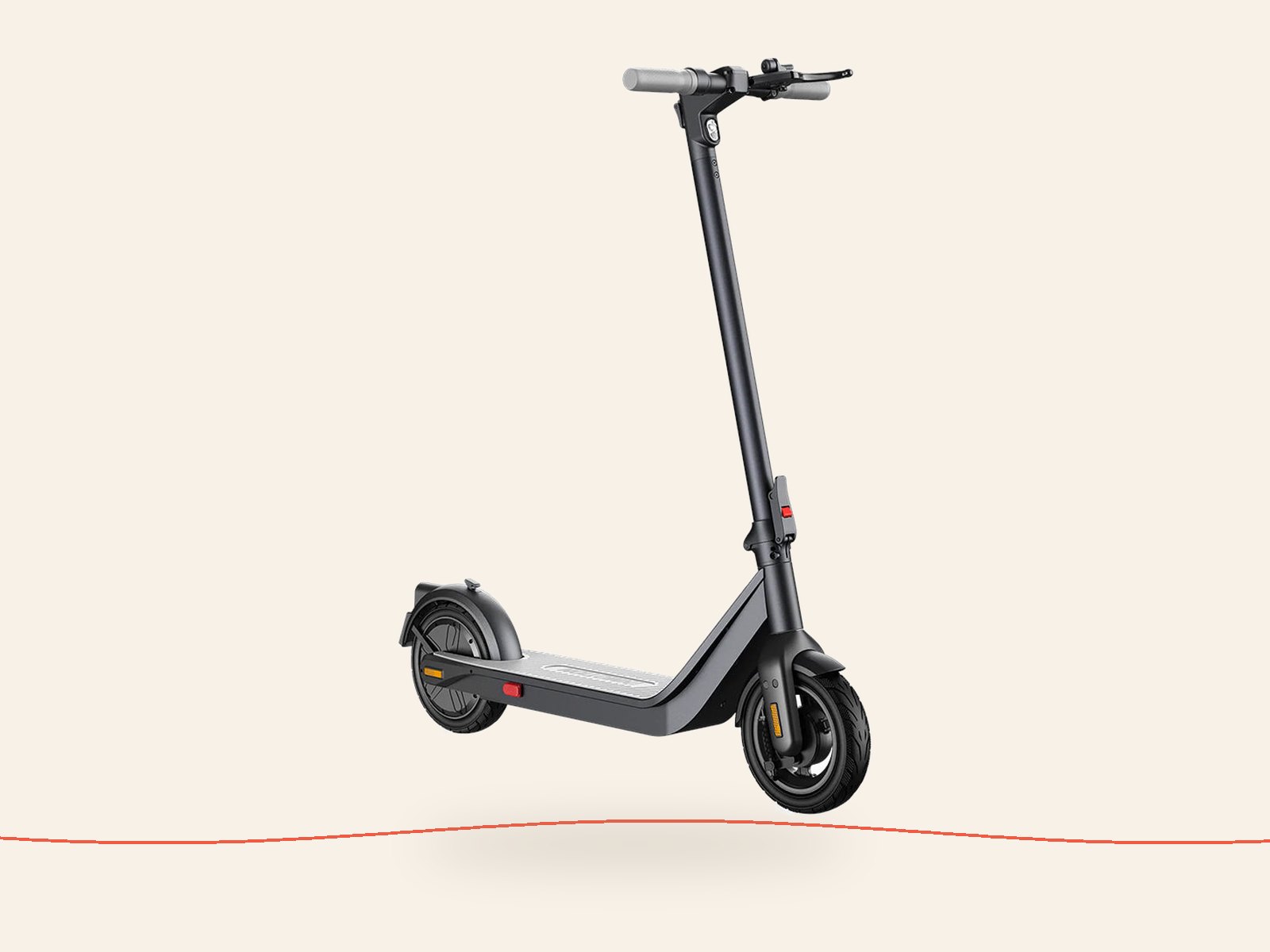 Trending #4
Featured scooters
View all 104 scootersOur picks for different riders, chosen on specs, Australian price and state rules. Not physically tested yet.
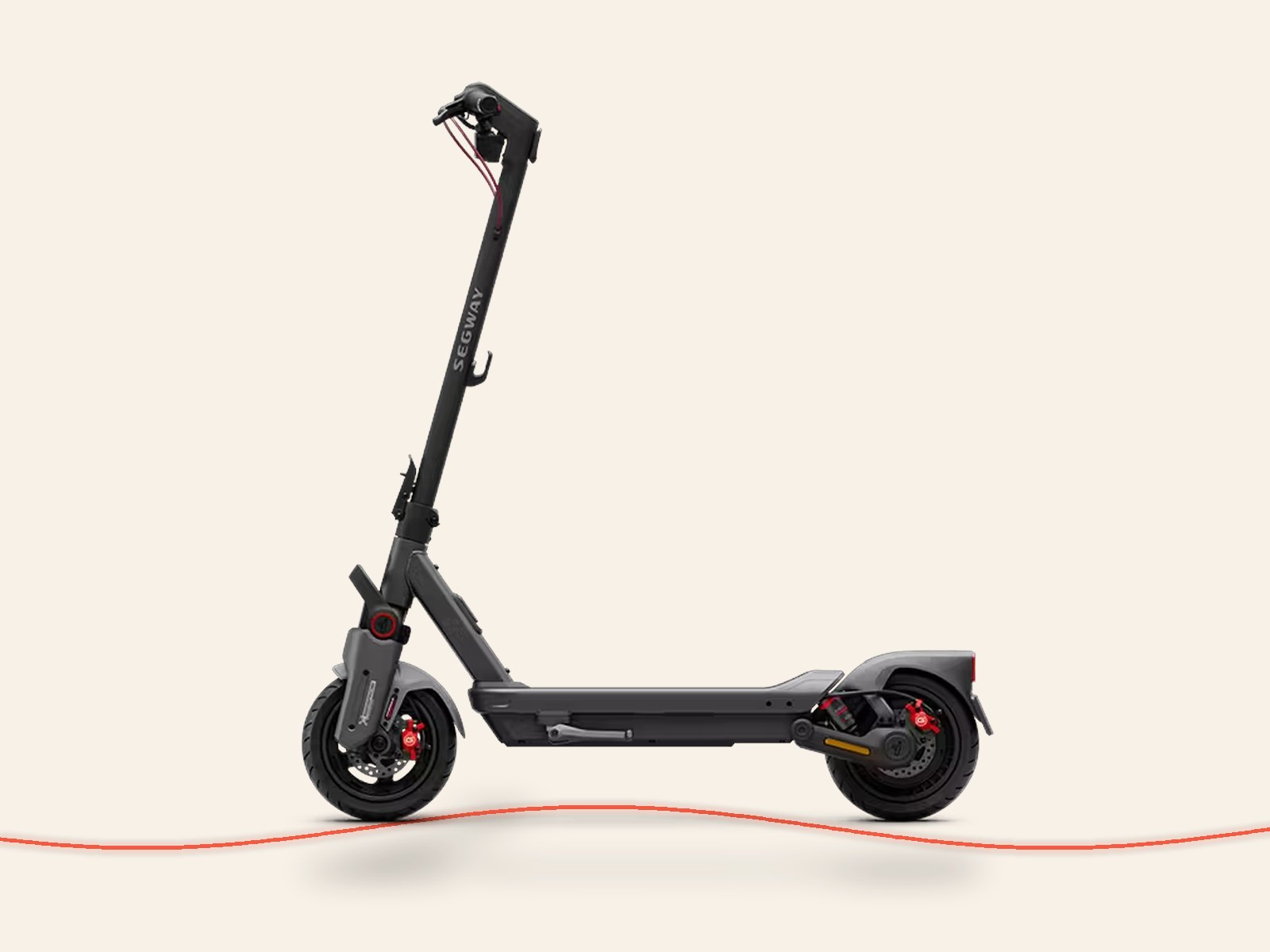 Best all-round commuter
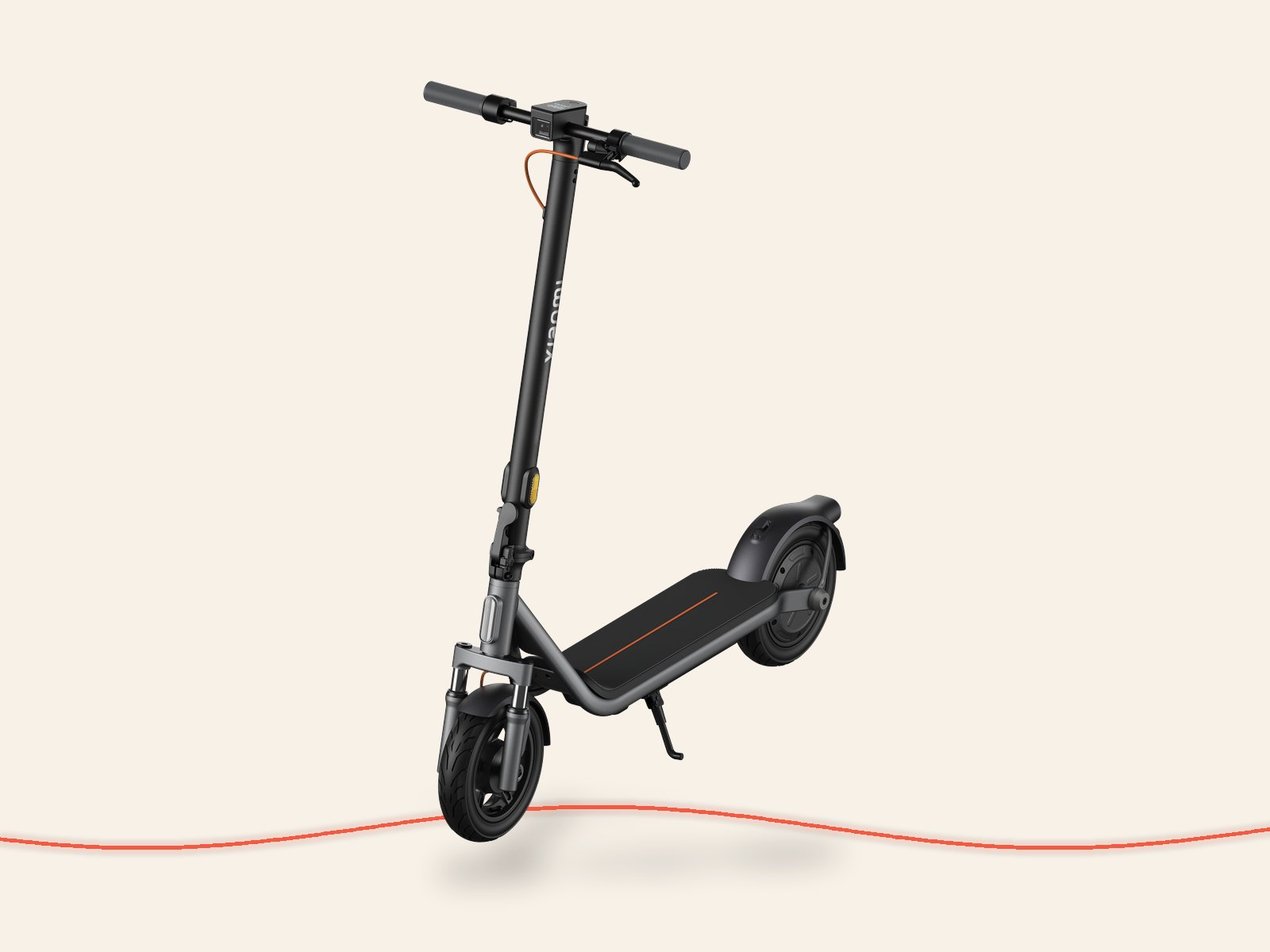 Best value
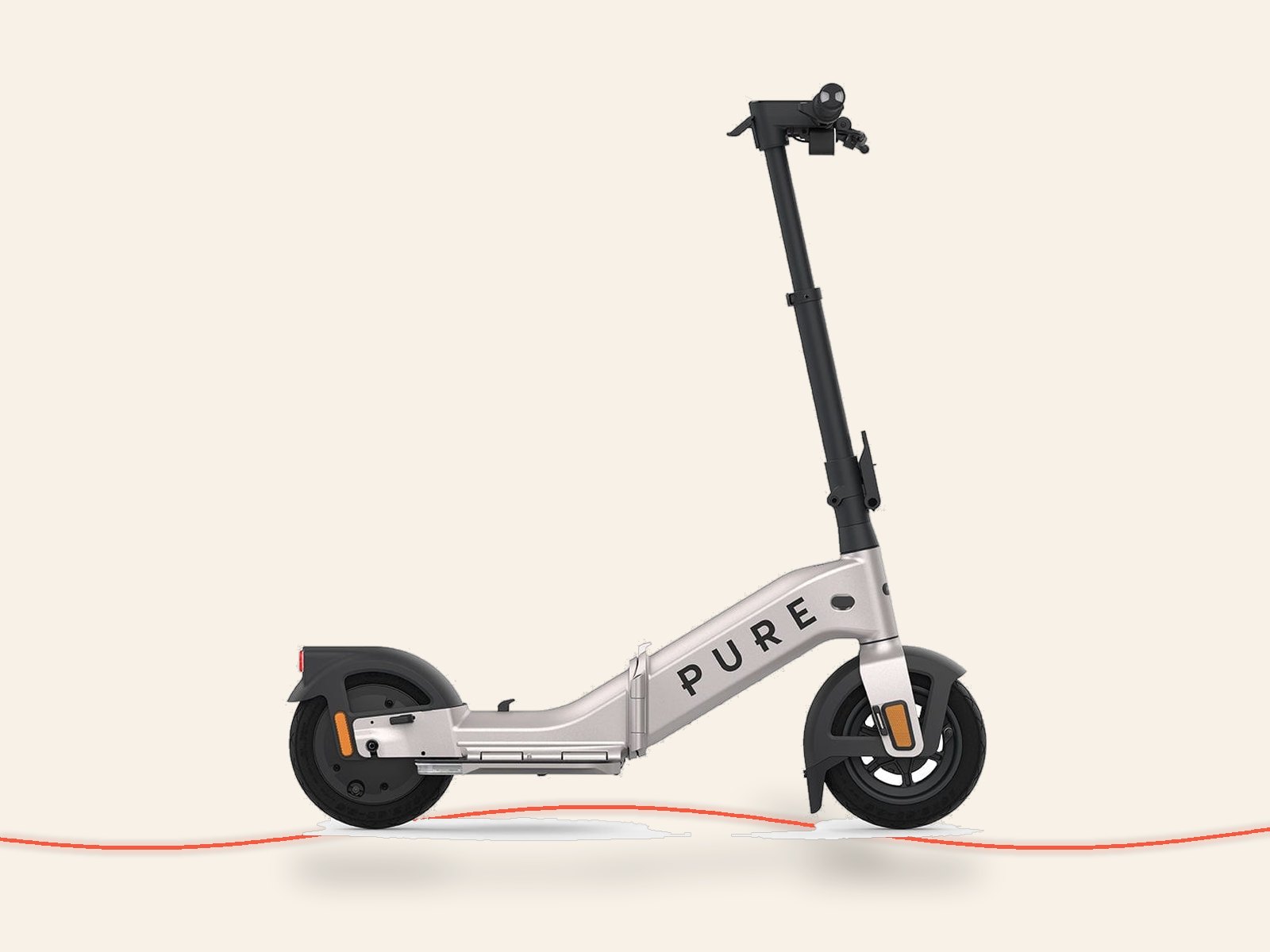 Most portable
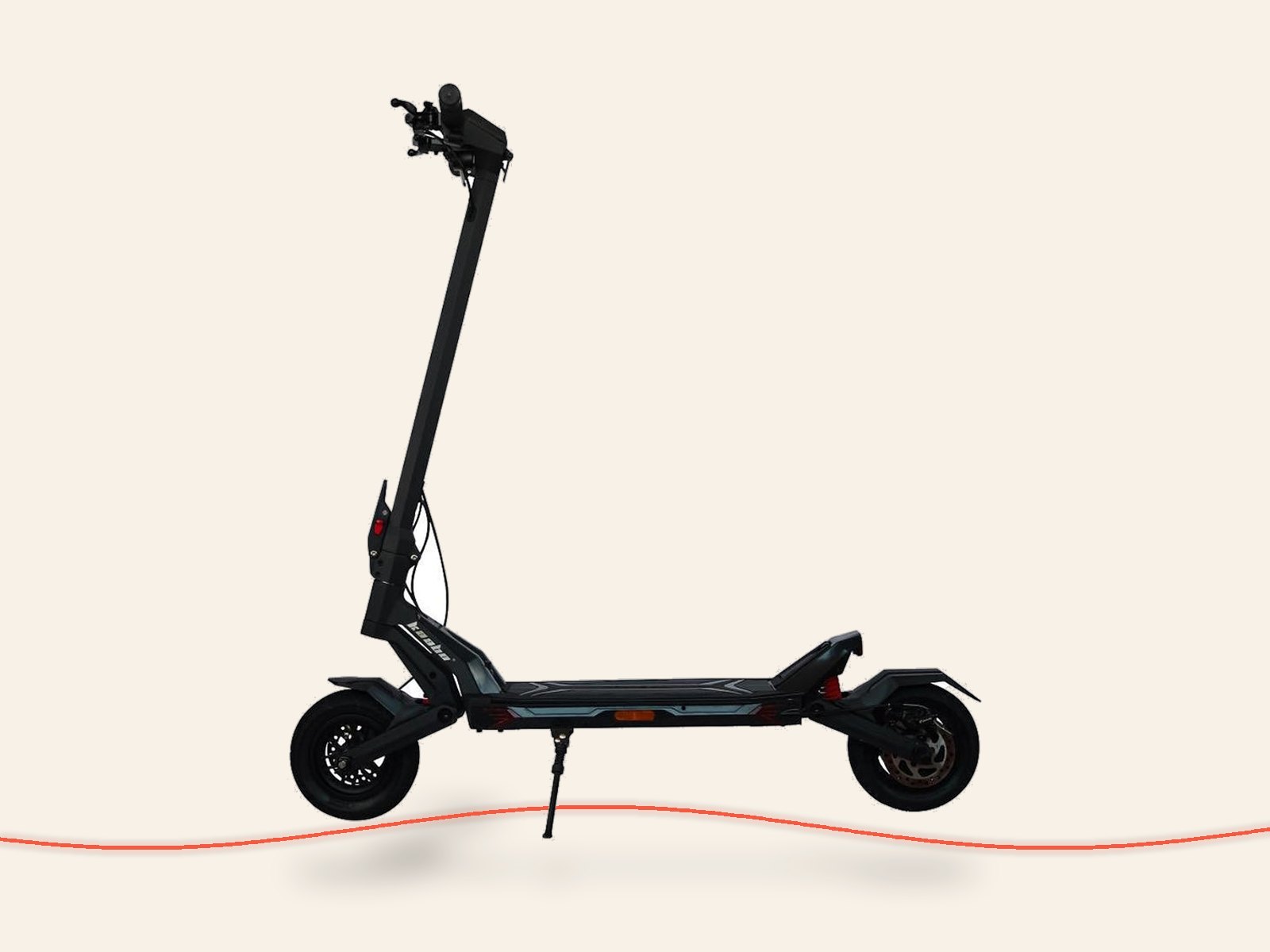 Performance step-up
Compare side by side
Open compareLine up the specs that matter most and find your match. Legality is state dependent, we never claim a blanket road legal.
| Spec | Segway MAX G3 | Xiaomi Electric Scooter 6 Lite | Pure Electric Advance Flex | Kaabo Mantis Urban 2026 |
|---|---|---|---|---|
| Price | $1,699 | $697 | $1,499.95 | $999 |
| Range | 56 km est. | 18 km est. | 28 km est. | 28 km est. |
| Weight | 24.3 kg | 18.1 kg | 16.2 kg | 20 kg |
| Top speed | 25 km/h | 25 km/h | 25 km/h | 40 km/h |
| Legal class | Capable | Capable | Capable | Capable |
E-scooter laws in South Australia.
PMDs must weigh no more than 45 kg, fit 1250 x 700 x 1350 mm and have effective brakes and a warning device. Riders must be 16 or older. The cap is 10 km/h on footpaths, shared paths, beaches and crossings, and 25 km/h on bicycle infrastructure and permitted roads. On 60 km/h roads, e-scooters may use a bicycle lane only. PMDs currently cannot be carried on SA public transport.
Rules checked 17 Oct 2026 against Government of South Australia (mylicence).
Browse by category
All scooters
Commuter
Daily rides, city streets
33 scooters
Portable
Lightweight and easy to carry
4 scooters
Performance
Speed and power, private land
27 scooters
Budget
Great rides for less
12 scooters
Long Range
Go further, less often charged
11 scooters
Off Road
Trails and rough ground
8 scooters
Seated
Ride with a seat
2 scooters
Kids
Smaller riders
7 scootersWhy ScootFinder
Compare specs
Side by side comparisons that make sense, on the numbers that matter.
Understand real range
Realistic real-world range estimates, not just lab claims.
Find the right fit
Filters and guides that match your ride and lifestyle.
Honest legality
State by state road rules, never a blanket road legal claim.
In the news
All news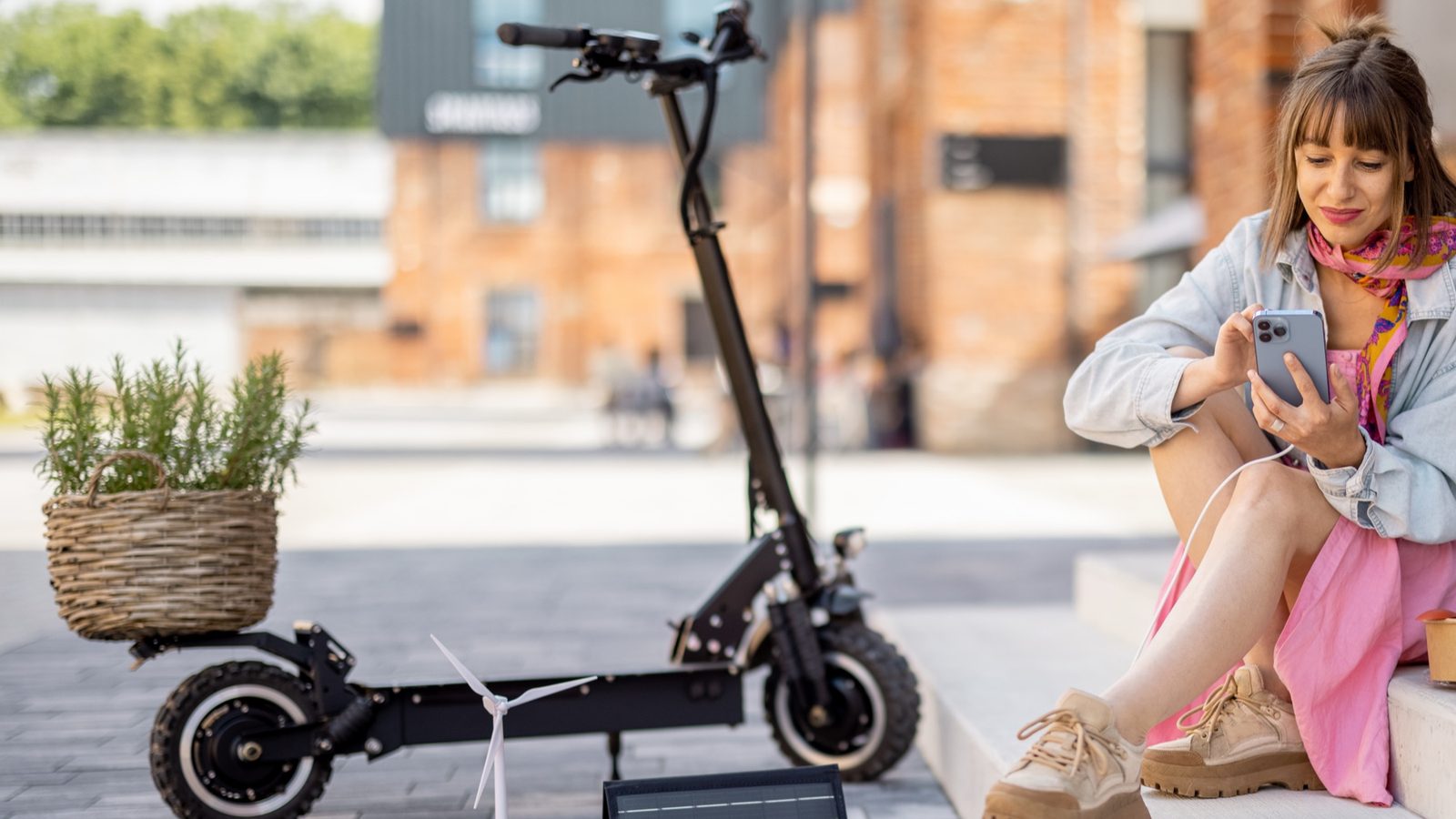 News · 26 Sep 2026
After the Murwillumbah fire: five charging rules for e-scooter owners
A battery fire destroyed a Murwillumbah home and 70 e-bikes on 31 August. E-scooters carry the same lithium-ion risk. Five charging rules from fire authorities.
 News · 26 Sep 2026
WA's e-rideable inquiry, six months on
WA backed 32 of 33 e-rideable inquiry recommendations in March 2026. Six months on, here is what has changed for e-scooter riders and what is still waiting.
 News · 26 Sep 2026
NSW e-scooter legalisation: still no start date
NSW approved a plan to legalise private e-scooters in May 2025, but riding one in public is still illegal. What was promised, what happened, and what to do now.
Latest guides
All guidesAre electric scooters legal in Australia?
Compare Australian state device definitions, rider conditions and permitted routes. Weight, dimensions, capability and exceptions matter; unknown evidence is not approval.
GuideBest electric scooters in Australia (2026)
ScootFinder's current 2026 picks by category: best overall, under $1,000, commuter, lightweight, long range, hills, premium and performance, with Australian prices, range estimates and legality.
GuideThe best commuter electric scooters in Australia
Compare Australian commuter scooters by dated catalogue prices, estimated range, weight, AU speed configuration, peak and rated power. Research, not road tests.
ExplainerCan you take an e-scooter on the train, tram or bus?
Train, tram, bus and ferry rules for e-scooters in Melbourne, Brisbane, Perth, Adelaide, Canberra, Hobart and Sydney, checked with each network in September 2026.
Popular scooter brands
All brandsE-scooter questions, answered
Full legal guideAre electric scooters legal in Australia?
It depends on the exact device and state. Weight, dimensions, maximum capability and equipment matter; QLD also uses wheelbase, and NT has a separate maximum 200 W / 10 km/h definition. NSW personal e-scooters remain private-property only. An app speed mode alone is not approval. Rider age, licence, path and supervision conditions are separate.
Do you need a licence to ride an e-scooter?
General rule: age 16+ and a valid learner-or-higher driver licence. Specified exceptions cover supervised riders aged 12 to 17 (including unlicensed 16 and 17 year olds), eligible medical exemptions for riders 16+, and designated recreational areas. Supervision and exemption conditions still apply. A transitional reasonable-excuse provision for the licence requirement runs through 29 November 2026; it is not a blanket licence exemption. Other jurisdictions have their own age and equipment rules; check the state source.
How fast can you ride an e-scooter?
Device maximum capability and riding speed are different. 25 km/h is the highest general riding cap, and Victoria (20 km/h) and the NT (10 km/h) cap it lower. Footpath limits are lower again where footpath riding is allowed: QLD 12 km/h, SA 10 km/h, WA 10 km/h, TAS 15 km/h, NT 10 km/h and ACT 15 km/h. SA shared paths are also 10 km/h; QLD passing pedestrians on shared paths is 12 km/h. Victoria does not allow footpath riding.
How far can an electric scooter really go?
Expect roughly 60 to 80 percent of the claimed range in everyday riding. Brands test with a light rider at low speed on flat ground. ScootFinder shows a realistic estimate next to every claimed figure, and labels which is which.
What are the most popular electric scooters in Australia right now?
In October 2026 the most popular models on Australian retailers' best seller lists include the Kaabo Mantis 10 Plus V2, Inmotion S1 and Inmotion Climber. See the full ranked list with prices and state legality.
Does ScootFinder test scooters?
Not yet. Every range figure is labelled as the maker's claim or a ScootFinder estimate. Our physical testing program is being set up, and How we test explains the method.
Rules come from each state's official sources. See the most popular scooters, check a scooter against your state or read how we test.
Ride smarter. Stay in the loop.
Get the latest scooter news, reviews and guides straight to your inbox.