
How fast do electric scooters actually go?
The AU MAX G2 is published at 25 km/h, as is the Australian MAX G3. Other models advertise higher capability for private use. Compare the exact supplied version, not just the biggest number: a mode limit, maximum capability and permitted riding speed are different things.
Last reviewed 18 Oct 2026
Close-up detail of an electric scooter's motor and wheel. Photo for illustration.
Key points
- The Australian MAX G2 and MAX G3 sources specify 25 km/h; overseas versions are not interchangeable.
- VSETT advertises the 9 APEX at 25 km/h capped or 44 km/h uncapped for private use. That is not proof of the delivered unit's public-use eligibility.
- More speed does not establish better hill climbing, braking or useful range. Compare the hardware and the conditions behind each claim.
How fast? Separate four different numbers
There is no single speed for every electric scooter. The Australian MAX G2 and MAX G3 examples below specify 25 km/h; the VSETT 9 APEX advertises higher capability for private use. These are published examples, not a fastest-scooter ranking or ScootFinder speed tests.
- Published maximum capability: the manufacturer's figure, with its stated configuration and conditions.
- Australian supplied version: the exact regional model, battery option and specification you are buying. A similar overseas name is not enough.
- Riding-mode limit: a selected operating setting. A lower display number does not independently establish the device's maximum capability.
- Permitted riding speed: the limit for your location and route, which can be lower than the device specification.
Australian examples worth comparing
Scroll sideways on small screens to read all three columns.
| Exact example | Published speed context | Buyer implication |
|---|---|---|
| Segway MAX G2, Australian specification | 25 km/h supplied maximum, not the overseas 35 km/h figure previously corrected here. | Front drum and rear electronic braking, plus front hydraulic and rear double suspension. Check battery condition and support on a run-out unit. |
| Segway MAX G3, AU model 051601A | Approximately 25 km/h in the Australian manufacturer specification. | The newer model's front disc brake and hydraulic suspension are hardware differences to compare, not evidence of a higher Australian top speed. |
| VSETT 9 APEX, 48V 19.2Ah LG | Seller advertises 25 km/h capped or 44 km/h uncapped for private use. | Ask for evidence of the exact supplied configuration. ScootFinder has not measured delivered capability; a capped setting is not public-riding approval. |
Compare MAX G3 and MAX G2 buying trade-offs, or line up these three exact catalogue models. Seller prices and availability retain their own check dates on the model pages.
Would extra speed transform your commute?
For a hypothetical uninterrupted 10 km trip, 20 km/h takes 30 minutes and 25 km/h takes 24 minutes: six minutes apart. That is distance divided by constant speed, not a route forecast or permission to ride at either speed. Crossings, pedestrians, corners and stops reduce the time saving. Choose for the trip you can actually ride.
Hills, brakes and range matter more than a headline
A top-speed claim cannot tell you whether a scooter holds a comfortable pace up your hill or stops well with your load. Compare rated and peak motor output separately, then brakes, tyres, suspension, payload and carrying weight. More motor watts alone do not establish top speed or braking performance.
The MAX G2 manufacturer claims about 50 km at 25 km/h with a full battery, 75 kg load, 25 C and pavement. That is a controlled manufacturer claim, not ScootFinder measured range. Hills, wind, load, tyre condition and repeated acceleration can change the outcome. Leave a return-trip reserve; do not assume a slower-mode brochure range applies at maximum speed.
Check your route before choosing the hardware
For a concrete distinction, Transport Victoria specifies a 25 km/h maximum device capability on level ground, but riders must stay at or below 20 km/h. Its other device, rider and location conditions still apply. This example is not a national rule or a verdict on the VSETT's delivered configuration.
Use the state and model checker before a public-riding purchase, then the Finder for your budget, daily distance and carrying needs. For private land, confirm permission, terrain and safe stopping space.
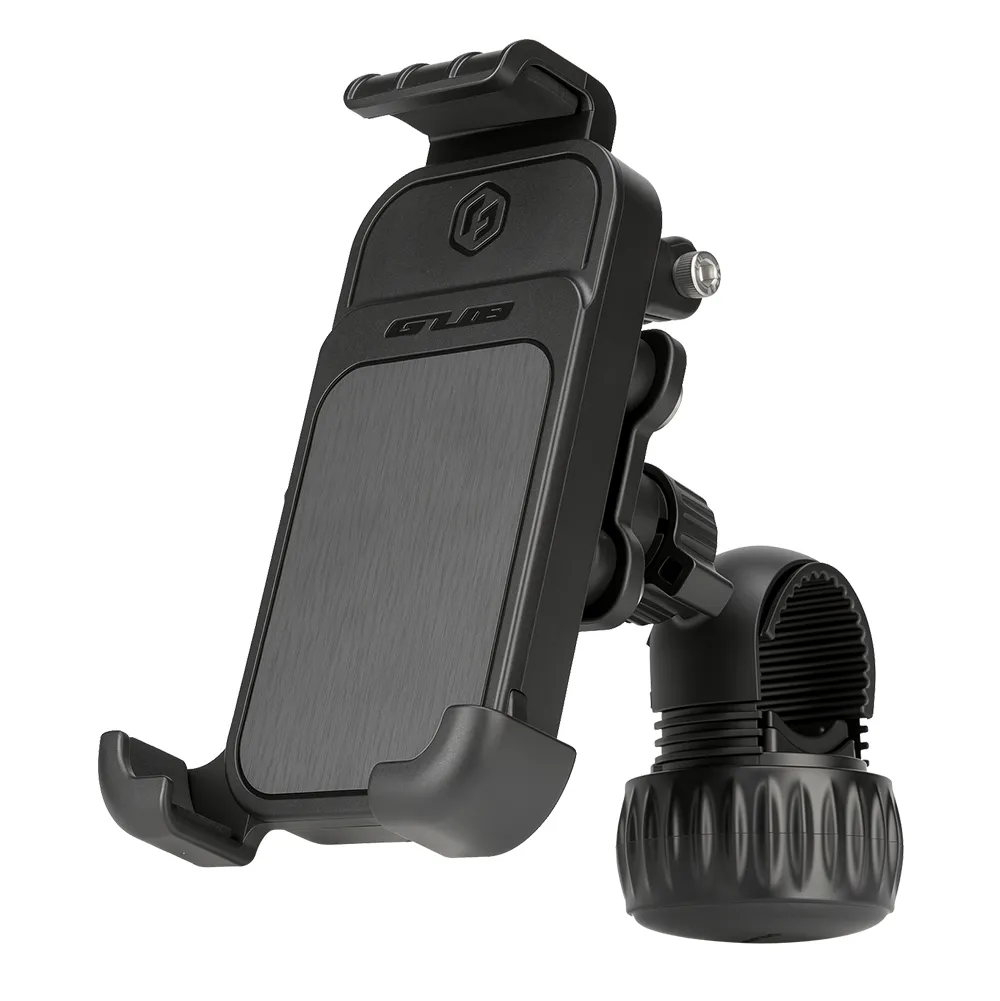
Phone mounts that fit e-scooter stems and bars and hold on over potholes and tram tracks. Ships from Australia, free shipping over $60.


Law updates, new models and buying guides for Australian e-scooter riders, straight to your inbox.
A bigger speed number is no bargain if it does not fit your route.
Frequently asked questions
How fast is the Australian MAX G2 specified to go?
The official Australian specification publishes 25 km/h. Overseas 35 km/h references are not interchangeable with the supplied Australian version.
Does a 25 km/h mode make any scooter legal?
No. A riding mode alone does not establish maximum device capability or public-riding eligibility. Check the exact device, rider and route requirements for your state.
How much time does 25 km/h save over 20 km/h?
Over a hypothetical uninterrupted 10 km, constant-speed arithmetic gives 24 minutes versus 30 minutes. Stops and route conditions change actual time; the example does not grant permission to ride at either speed.
Can motor watts tell me how fast a scooter goes?
No. Rated and peak output are different, and the supplied configuration and riding conditions also matter. A watt figure does not establish braking performance, hill speed or legal eligibility.
Sources
- Segway-Ninebot Australia MAX G2 supplied speed, hardware and range conditions (checked 18 Oct 2026)
- Segway-Ninebot Australia MAX G3 model 051601A technical specification (checked 18 Oct 2026)
- VSETT Australia 9 APEX 48V 19.2Ah LG speed configuration claim (checked 18 Oct 2026)
- Transport Victoria device capability and rider speed requirements (checked 18 Oct 2026)