Catalogue records
ScootFinder's current shortlist
6 verified modelsThis shortlist favours current budget and commuter models with known Australian pricing and legal-class capability. It is based on researched specifications, not a claim of hands-on beginner testing.
Key specifications
Compare the shortlist
Range estimates are ScootFinder estimates unless a tested result is explicitly labelled. Claimed range is the manufacturer's published best-case figure.
Research notes
Why each model made the list
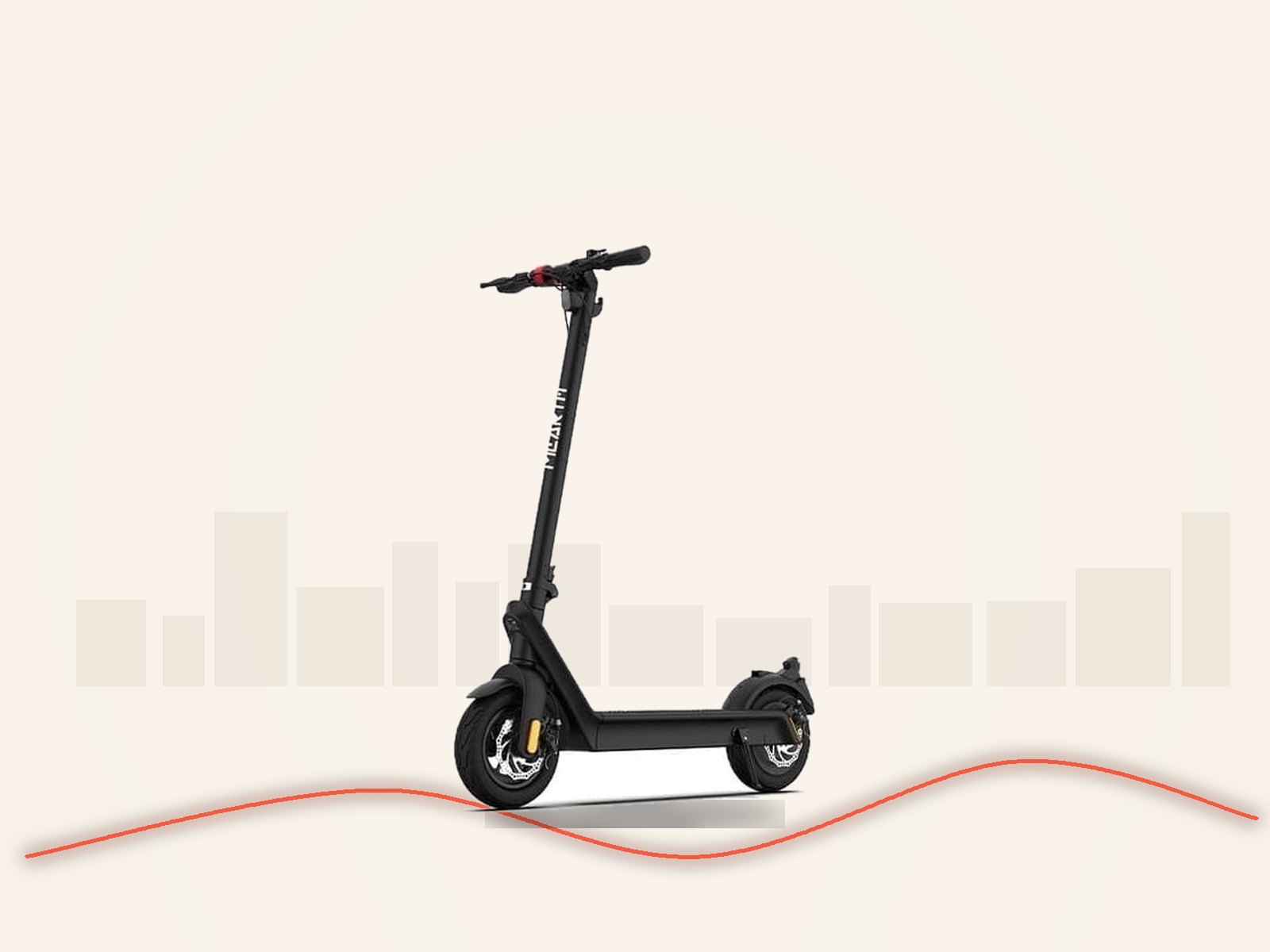
1- Why shortlist it
- Compare the return-trip range allowance and tyre maintenance needs, then confirm compatible parts and Australian seller support.
- Trade-off
- The manufacturer's own 100 km range claim is a best-case lab figure (flat, light rider, 15 km/h); no independent real world figure could be verified. No suspension.
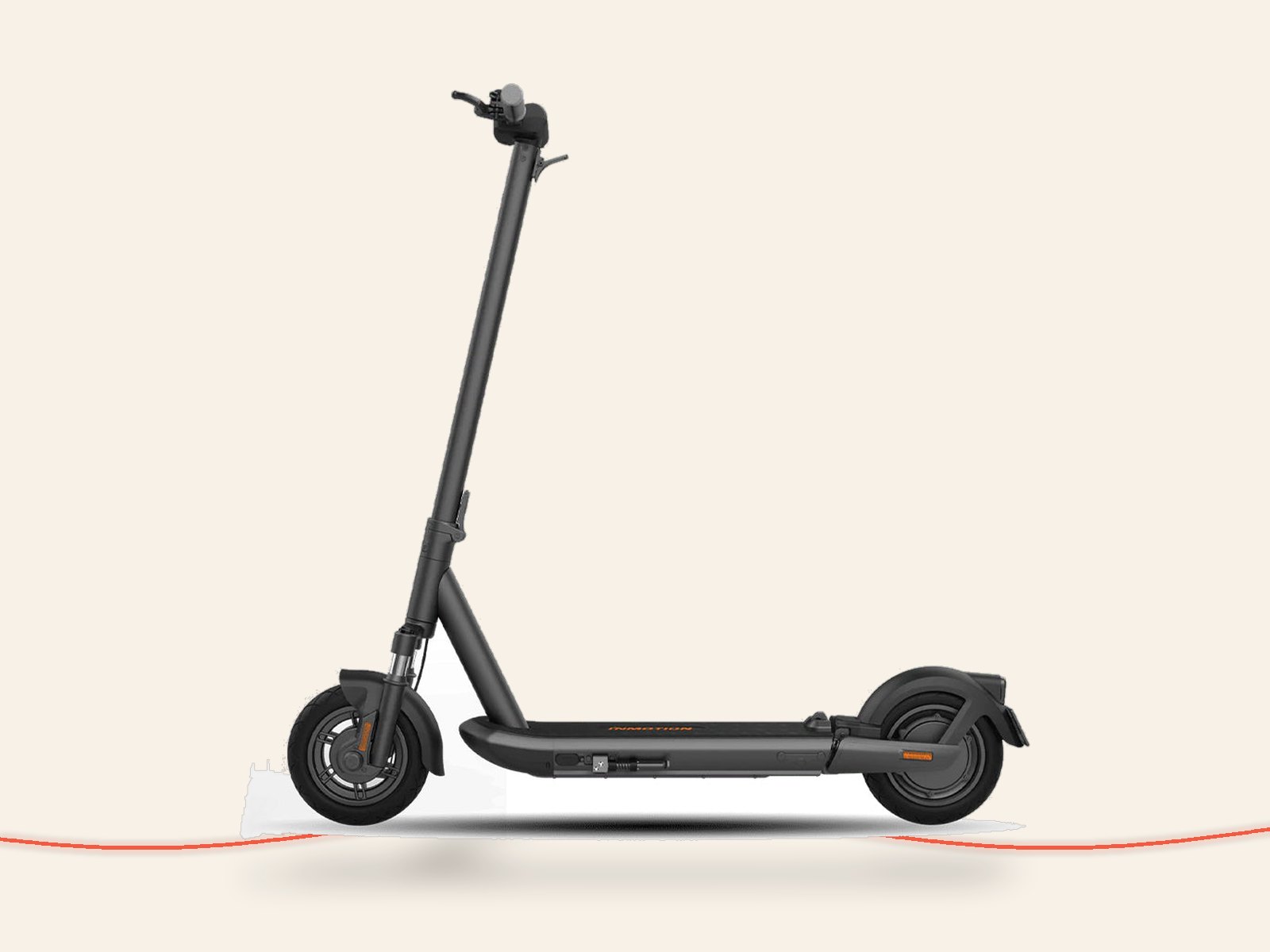
2- Why shortlist it
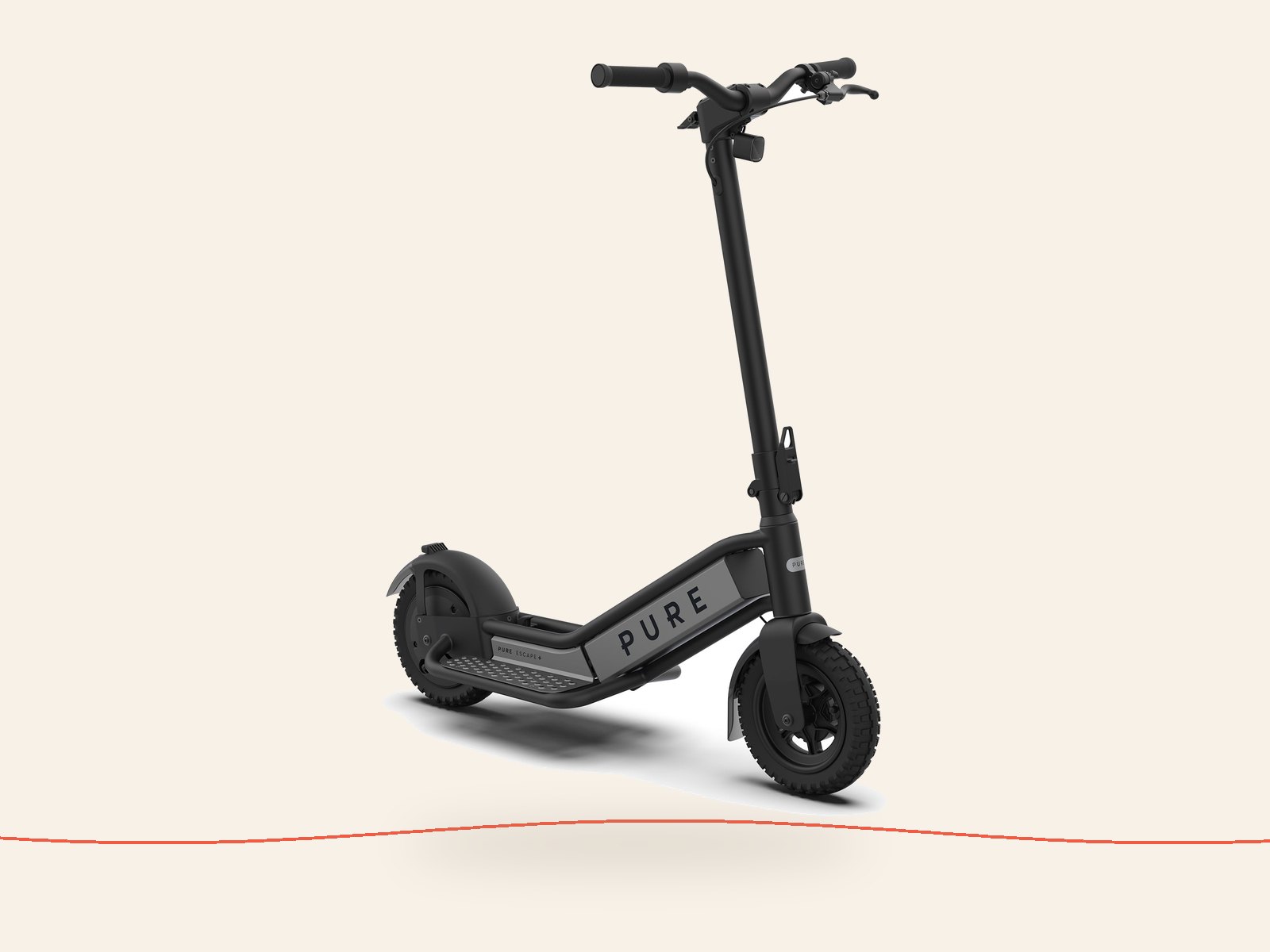
- A big 675 Wh battery giving strong claimed range plus a high 140 kg max rider weight, ships default-limited to 25 km/h.
- Trade-off
- Basic front drum brake, and unlocked top speed of 30 km/h is modest compared with faster private-land scooters.
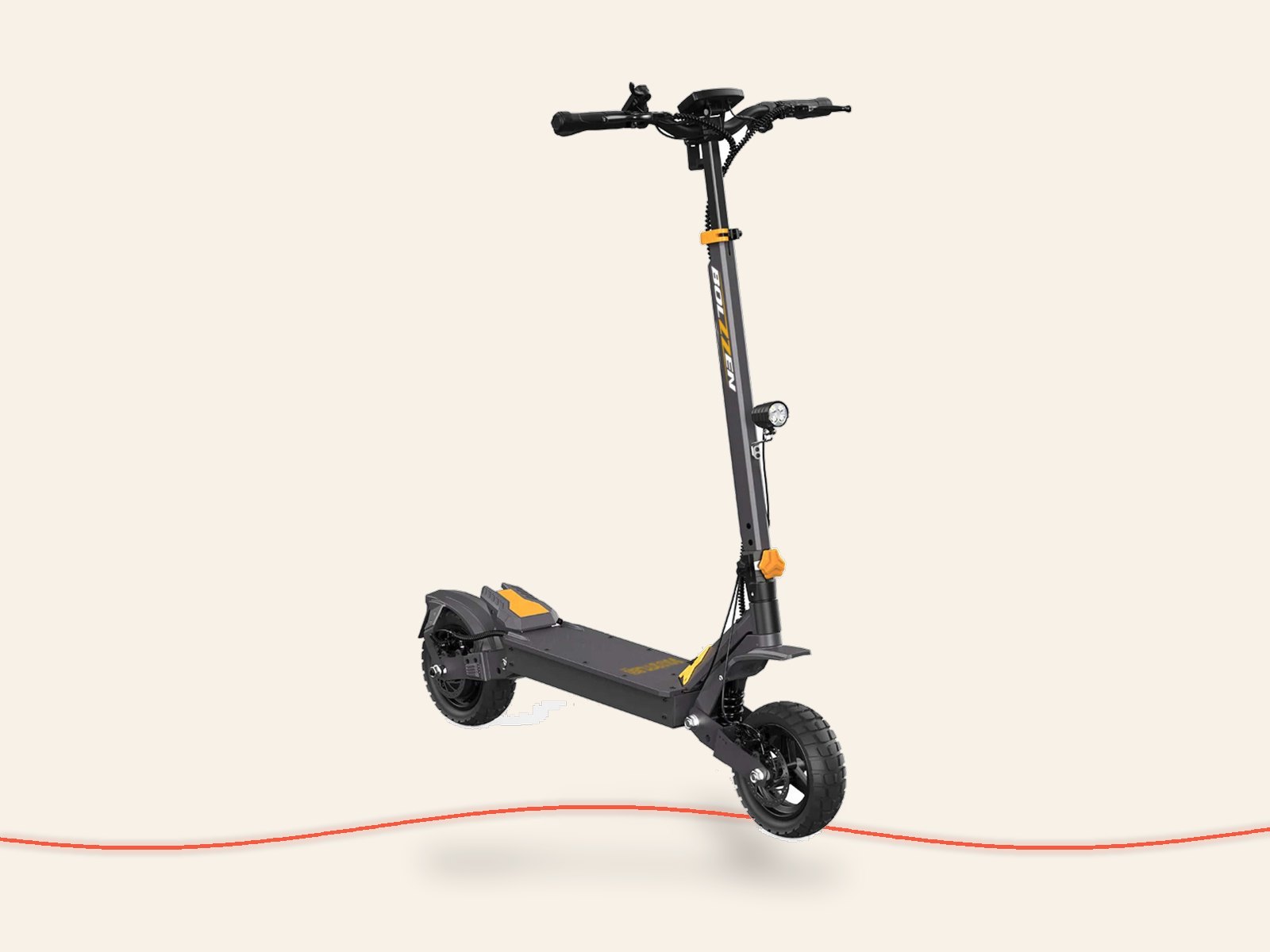
3- Why shortlist it
- A big claimed 70 km range and 130 kg rider capacity for the price, with coil-over suspension front and rear.
- Trade-off
- Single motor means less hill-climbing punch than Bolzzen's SuperStreet or Phoenix, and 27.4 kg is not the lightest fold.
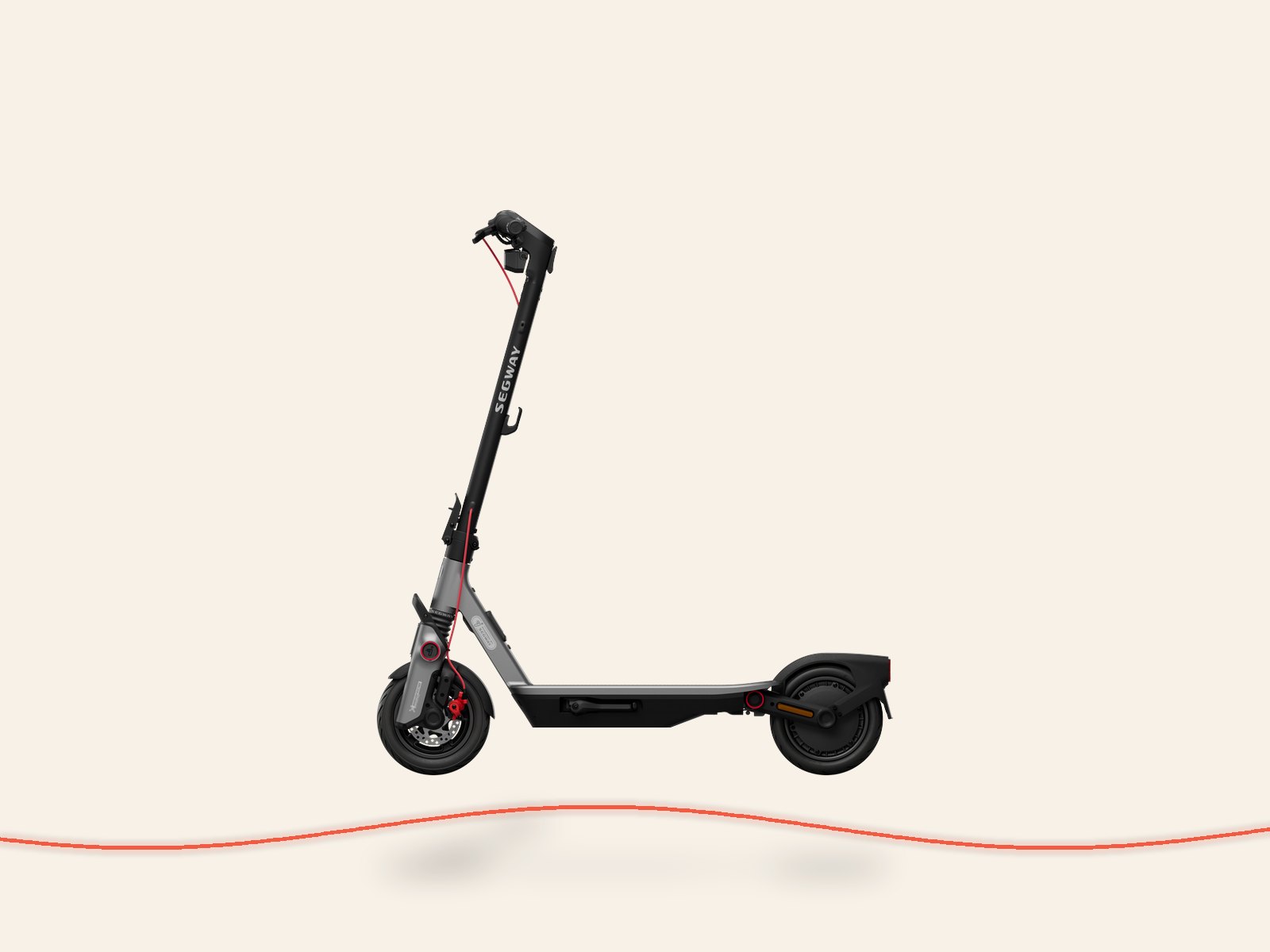
4- Why shortlist it
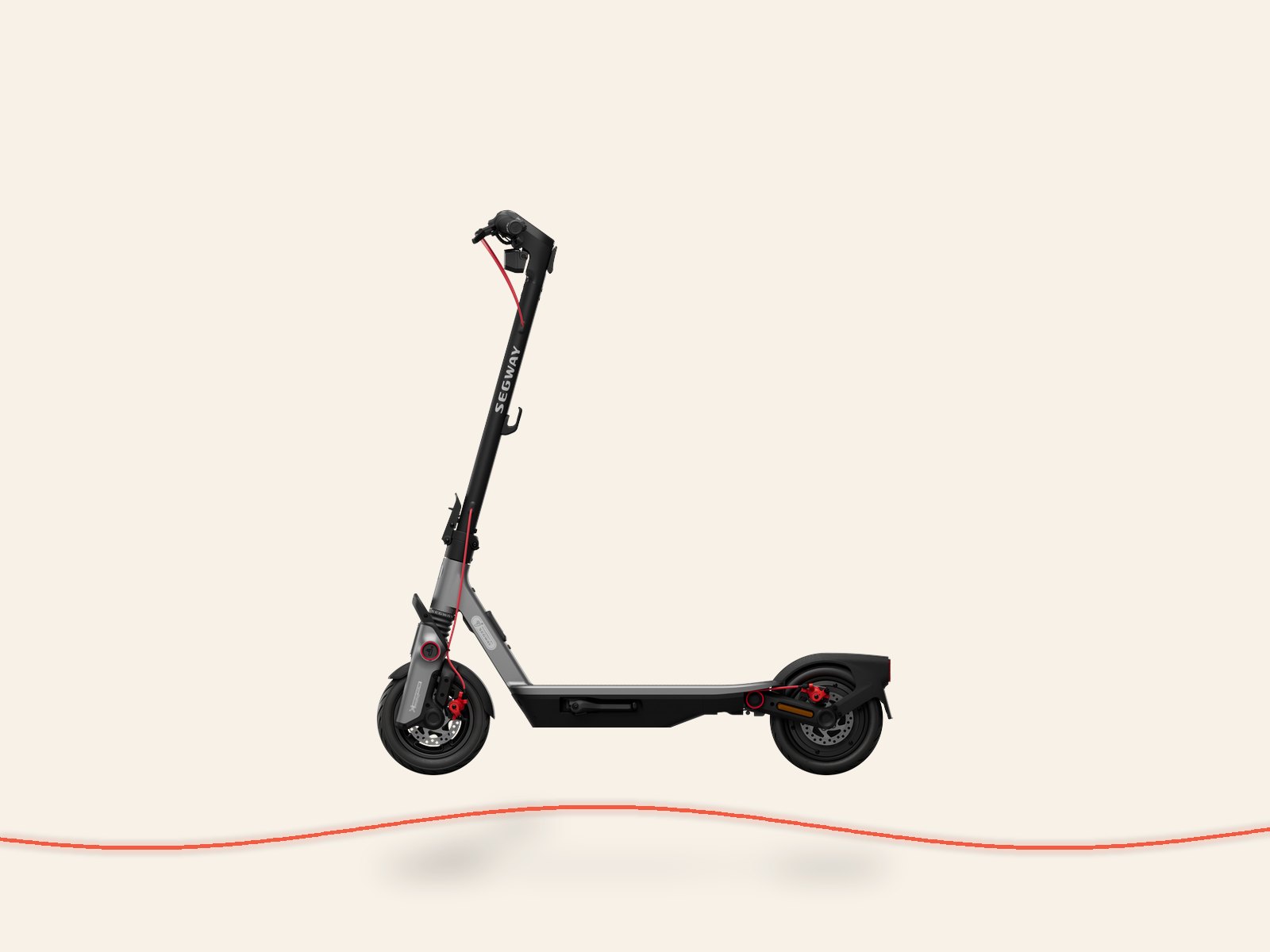
- Light at 18.6 kg with front hydraulic suspension and tubeless tyres for its price point.
- Trade-off
- The rear brake is electronic rather than a second mechanical disc, and Segway's 70 km claim is measured at low speed.
5- Why shortlist it
- Hydraulic front suspension and IPX6 water resistance at a mid commuter price point.
- Trade-off
- It is heavier and dearer than the base F3, while the 70 km claim still comes from a low-speed test.
6- Why shortlist it
- Strong value on sale, with IP65 water resistance, a 924 W peak motor and more battery than most scooters at this price.
- Trade-off
- No suspension, and at 19.2 kg it is heavier to carry than the Air5.
Buying advice
What to check before you buy
Models are screened for current status, established-market positioning, manageable category, known price and the ability to fit the 25 km/h device class.
- Use the lowest riding mode while learning throttle and brake control.
- Practise starts, stops and turns away from traffic and pedestrians.
- Choose pneumatic tyres and suspension if local surfaces are rough.
- Buy from a seller that can supply tyres, brakes and servicing.
- Read the rules for your state before the first public ride.
A 25 km/h-capable label is a speed feature, not public-use approval. Device weight, dimensions, wheelbase, maximum power and Australian configuration can change the result. It does not override where, how fast or by whom it may be ridden. Check the current official rule for your jurisdiction before buying or riding.
What speed is suitable for a beginner?
Start in the scooter's lowest mode and build control gradually. Public speed limits can be much lower than the scooter's top speed, especially around pedestrians.
Is suspension important for a first scooter?
It helps on rough paths but is not essential for smooth short trips. Pneumatic tyres, predictable brakes and manageable weight are equally important.
Should a beginner buy a dual-motor scooter?
Usually not unless a specific terrain or payload need justifies it. Dual-motor performance can add weight, cost and abrupt acceleration.
Keep exploring
Related scooter guides