
How long do electric scooter batteries actually last?
Most e-scooter batteries last 2 to 4 years, or roughly 300 to 500 full charge cycles, before capacity noticeably drops, whichever comes first. How you charge and store it matters more than how often you ride: shallow, moderate charging and keeping the battery out of the heat both extend real-world life more than riding less does.
Last reviewed 16 Jul 2026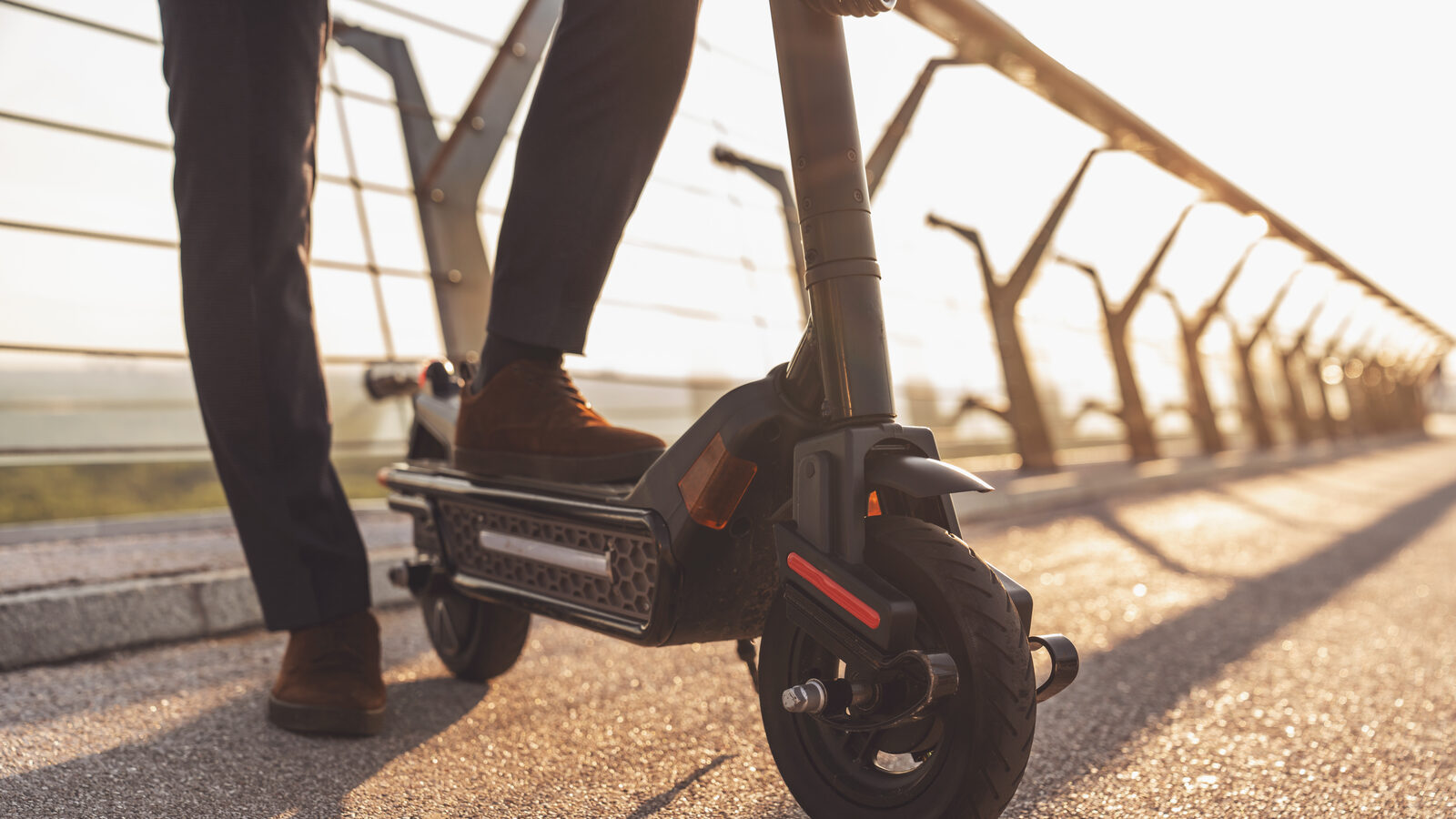
Close-up of an electric scooter's deck, backlit. Photo for illustration.
Key points
- Lithium-ion batteries, the type used in every scooter in ScootFinder's catalogue, typically retain around 80 percent of original capacity after roughly 300 to 500 full charge cycles, then decline gradually rather than fail outright.
- A charge cycle means one full 100 percent discharge, not one plug-in. Topping up from 60 percent to 100 percent only uses 40 percent of a cycle.
- Frequent shallow charging generally causes less long-term wear than habitually running the battery to empty and leaving it at 100 percent.
- Heat is the bigger risk for Australian riders, charging in direct sun, a hot garage or a hot car accelerates degradation and is also a genuine fire risk. Cold mainly causes a temporary, recoverable drop in range.
- Real world range drops gradually as any battery ages, well before it needs replacing, and dips further in very hot or cold weather regardless of the battery's age.
A scooter battery doesn't fail like a light bulb, it fades. Understanding roughly how that fade happens helps set realistic expectations and tells you what actually extends the life of the one you've got.
What a charge cycle actually is
One charge cycle equals one full 100 percent discharge and recharge, cumulatively. Charging from 60 percent to 100 percent uses 40 percent of a cycle, do that twice and you've used one full cycle between them. This matters because most manufacturers rate lithium-ion cells in cycles, not years or kilometres, a scooter you charge lightly and often can rack up fewer full cycles per year than one you routinely run flat.
How long that actually lasts
As a general rule for lithium-ion batteries, the chemistry used across commuter and performance e-scooters alike, capacity typically holds around 80 percent of the original after roughly 300 to 500 full charge cycles, then continues to decline more slowly from there rather than dropping off a cliff. For a commuter riding most weekdays, that can translate to somewhere in the order of 2 to 4 years before the drop in range becomes noticeable day to day, though this varies with how the battery is charged, stored and used, not just how many kilometres you've covered. Manufacturers occasionally publish a specific cycle rating for a given model, check your scooter's specifications if you want a firmer number than this general range.
What actually accelerates wear
Two things matter more than raw usage: depth of discharge and heat. Consistently discharging close to zero percent puts more stress on the cells than shallow, frequent top ups, keeping your everyday charging in a moderate band rather than habitually running flat is one of the simplest things you can do. Heat is the other big factor, and the more relevant one for most Australian riders. Charging or storing a battery in direct sun, a hot garage, or a parked car on a warm day accelerates the same chemical wear that ordinary cycling causes, only faster, and Fire and Rescue NSW flags heat and improper charging as key contributors to the lithium-ion fires it responds to. See our guide to e-scooter battery care and fire safety for the specific do's and don'ts.
Range drops before the battery "dies"
You'll usually notice a battery aging as a gradual drop in real world range long before it stops holding a charge altogether, the same way the realistic range figures we quote for our catalogue scooters are already lower than the manufacturer's claimed figure on a brand new battery. Extreme heat or cold will also temporarily reduce range on any battery regardless of its age, that's a separate, recoverable effect from the long-term capacity loss, see how fast electric scooters actually go for more on claimed versus real-world figures generally.
Replacing a battery
Most scooters allow the battery to be replaced through the manufacturer or an authorised service centre once it's genuinely past its useful life. We'd steer clear of third party or DIY replacement packs, mismatched cells, wiring or charging circuits are a real fire risk, not just a performance downgrade.
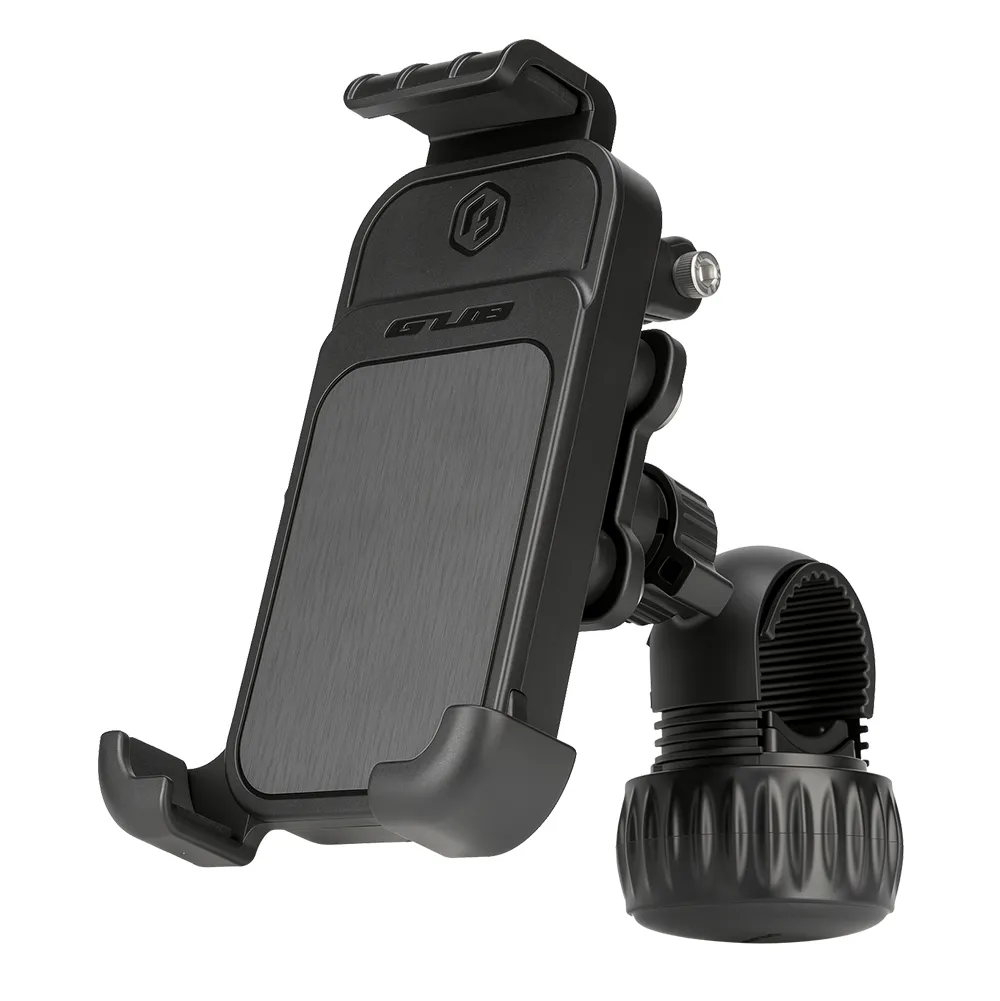
Phone mounts that fit e-scooter stems and bars and hold on over potholes and tram tracks. Ships from Australia, free shipping over $60.


Law updates, new models and buying guides for Australian e-scooter riders, straight to your inbox.
A scooter battery doesn't die on a specific day, it fades a little more every cycle, and heat does more damage in a single hot afternoon than a few hundred careful charges ever will.
Frequently asked questions
How many charge cycles does an e-scooter battery have?
Most lithium-ion batteries, the type used in every scooter in our catalogue, retain around 80 percent of their original capacity after roughly 300 to 500 full charge cycles, then continue to decline gradually rather than fail outright.
How often should you charge an electric scooter?
Charge whenever it's convenient, there's no need to wait for it to run flat. What matters more for long-term battery health is avoiding two habits: routinely draining the battery to zero, and leaving it sitting at 100 percent for long periods, particularly in the heat.
Can you replace an electric scooter's battery?
On most scooters, yes, through the manufacturer or an authorised service centre. We'd avoid third party or DIY replacement batteries, lithium-ion packs are a genuine fire risk if the cells, wiring or charging circuit aren't correctly matched to the scooter.
Does hot weather affect e-scooter battery life?
Yes, and for Australian riders it matters more than cold. Charging or storing a battery in direct sun, a hot garage or a hot car accelerates long-term capacity loss and is also a recognised fire risk. Cold mainly causes a temporary drop in range rather than lasting damage.
Sources
- Fire and Rescue NSW: E-bike and e-scooter battery safety (checked 16 Jul 2026)
- ScienceDirect Topics: Depth of Discharge (checked 16 Jul 2026)
- Segway Australia (checked 16 Jul 2026)
- Inokim Australia (checked 16 Jul 2026)