Electric scooter vs electric bike for commuting
For most short, flat trips, an e-scooter is the cheaper, lighter option. But for anyone in NSW or the Northern Territory, or for a longer, hillier commute, a compliant e-bike has the real advantage: it's treated like an ordinary bicycle everywhere in Australia, while private e-scooters remain banned in two jurisdictions and speed and path restricted everywhere else.
Last reviewed 16 Jul 2026
Businesswoman wearing a helmet commuting sustainably on an electric scooter. Photo for illustration.
Key points
- Legal treatment is the biggest difference, not speed or price. A compliant pedal-assist e-bike (EN 15194 standard, assistance capped at 25 km/h, no throttle-only riding) is treated as an ordinary bicycle across Australia, including NSW and the NT. A private e-scooter is a separate device category, banned in NSW and the NT and speed and path restricted elsewhere.
- E-scooters are lighter and generally cheaper to buy at entry level, and easier to carry indoors or onto public transport.
- E-bikes generally offer longer range and handle hills and longer distances more comfortably, thanks to pedal assist and a seated riding position.
- Both top out around the same 25 km/h for legal, assisted riding, so for compliant devices, top speed isn't really the differentiator.
- If your commute is short, flat, and in a state that permits private e-scooters, either genuinely works. Outside those conditions, an e-bike is the more broadly viable choice today.
Compare the current shortlist
 CommuterRun-out
 Commuter
 Commuter
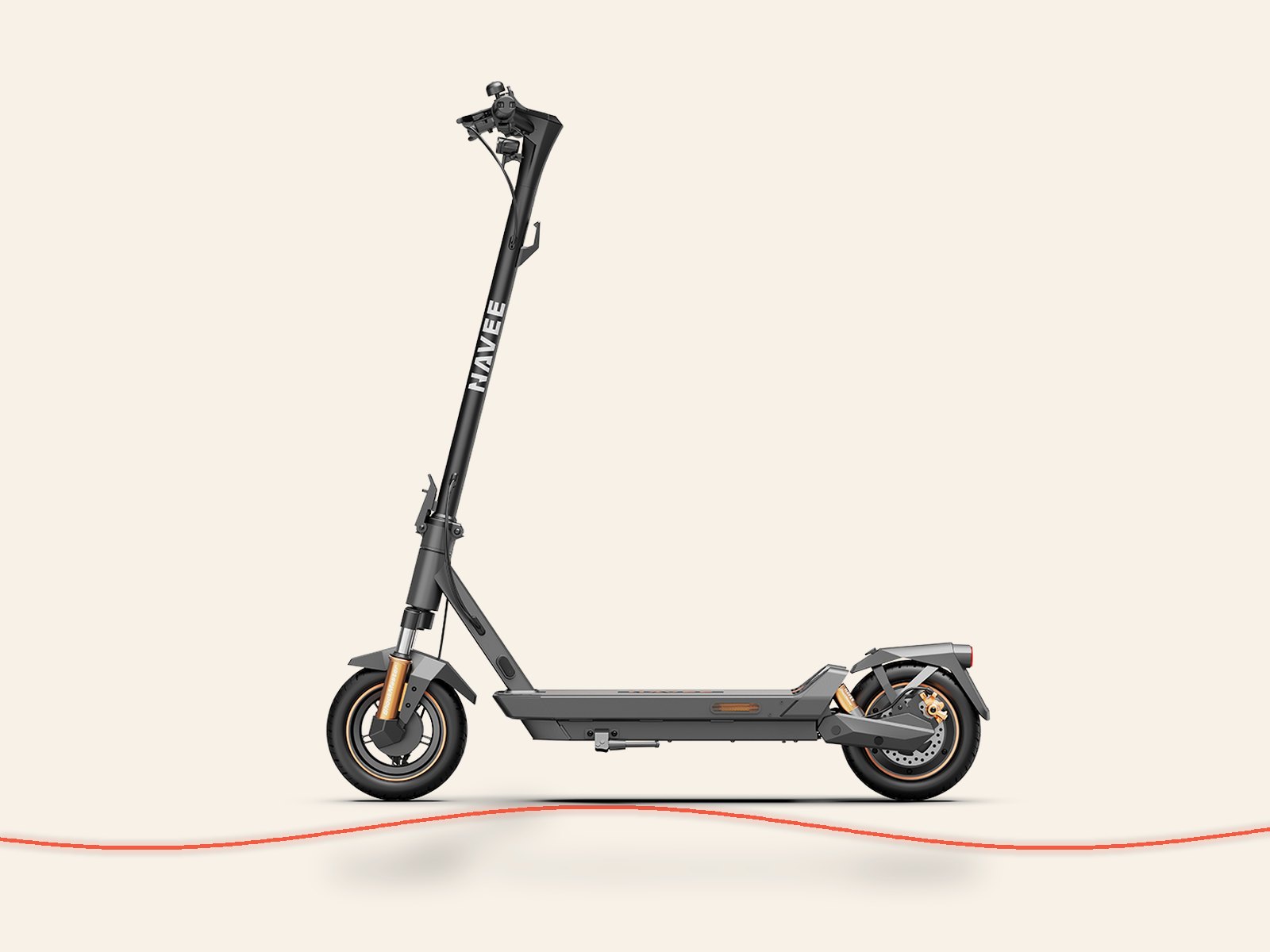 Long Range
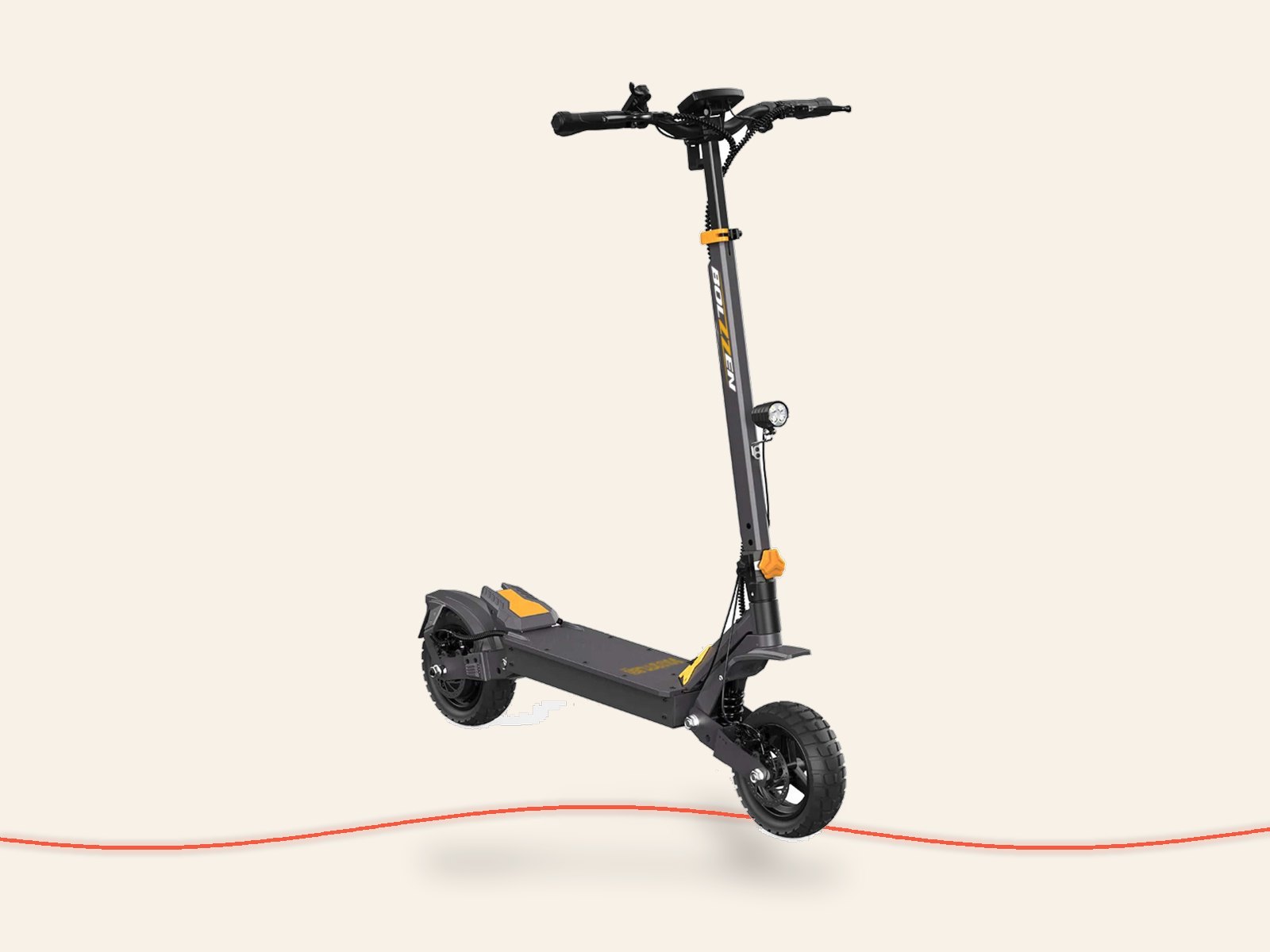 Commuter
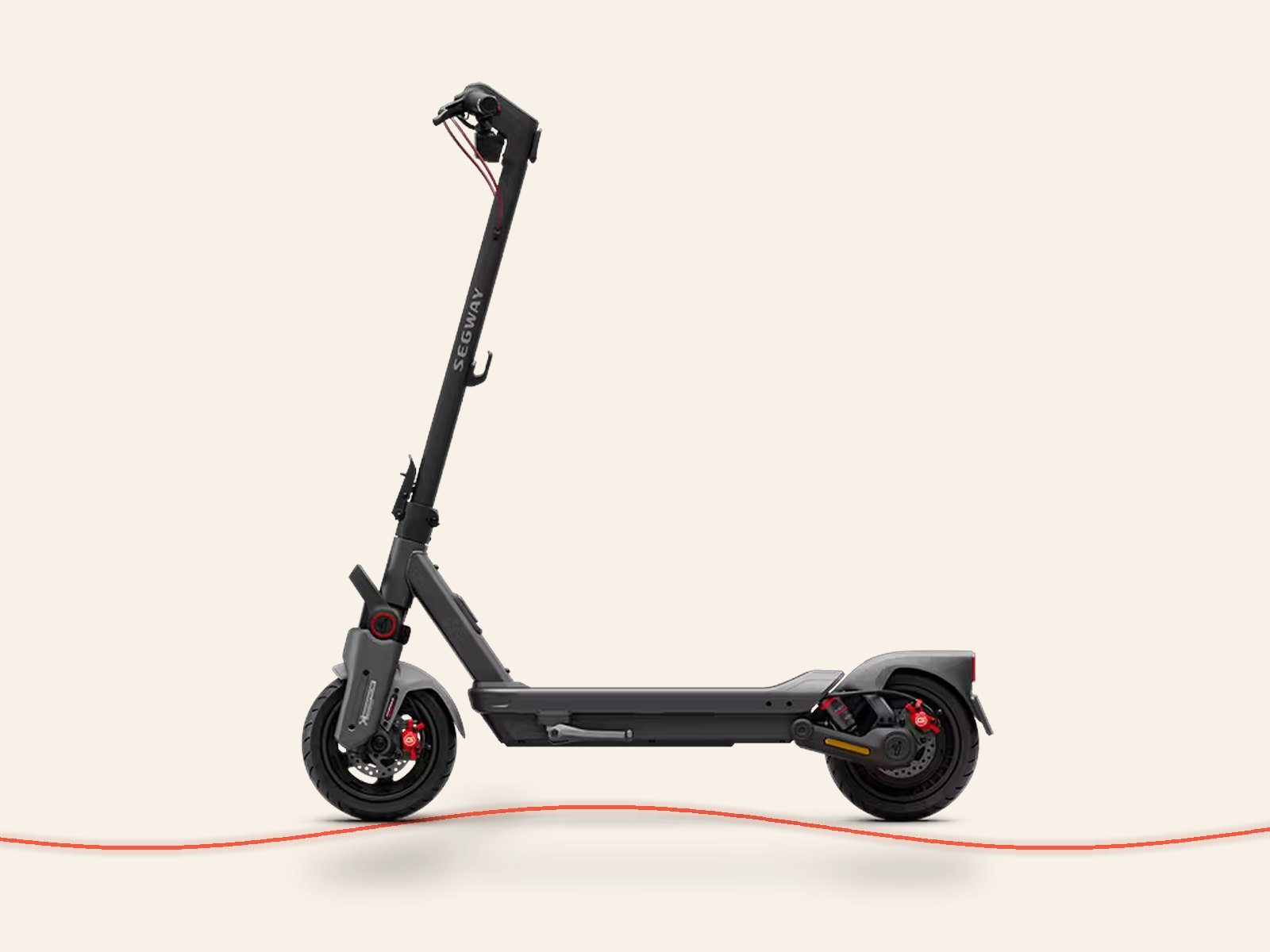 CommuterNew
Compare the shortlist
Range estimates are ScootFinder estimates unless a tested result is explicitly labelled. Claimed range is the manufacturer's published best-case figure.
| Model | Dated price, AUD | Range, Estimated | Range, Claimed | Weight | Payload | Top speed | Legal class |
|---|---|---|---|---|---|---|---|
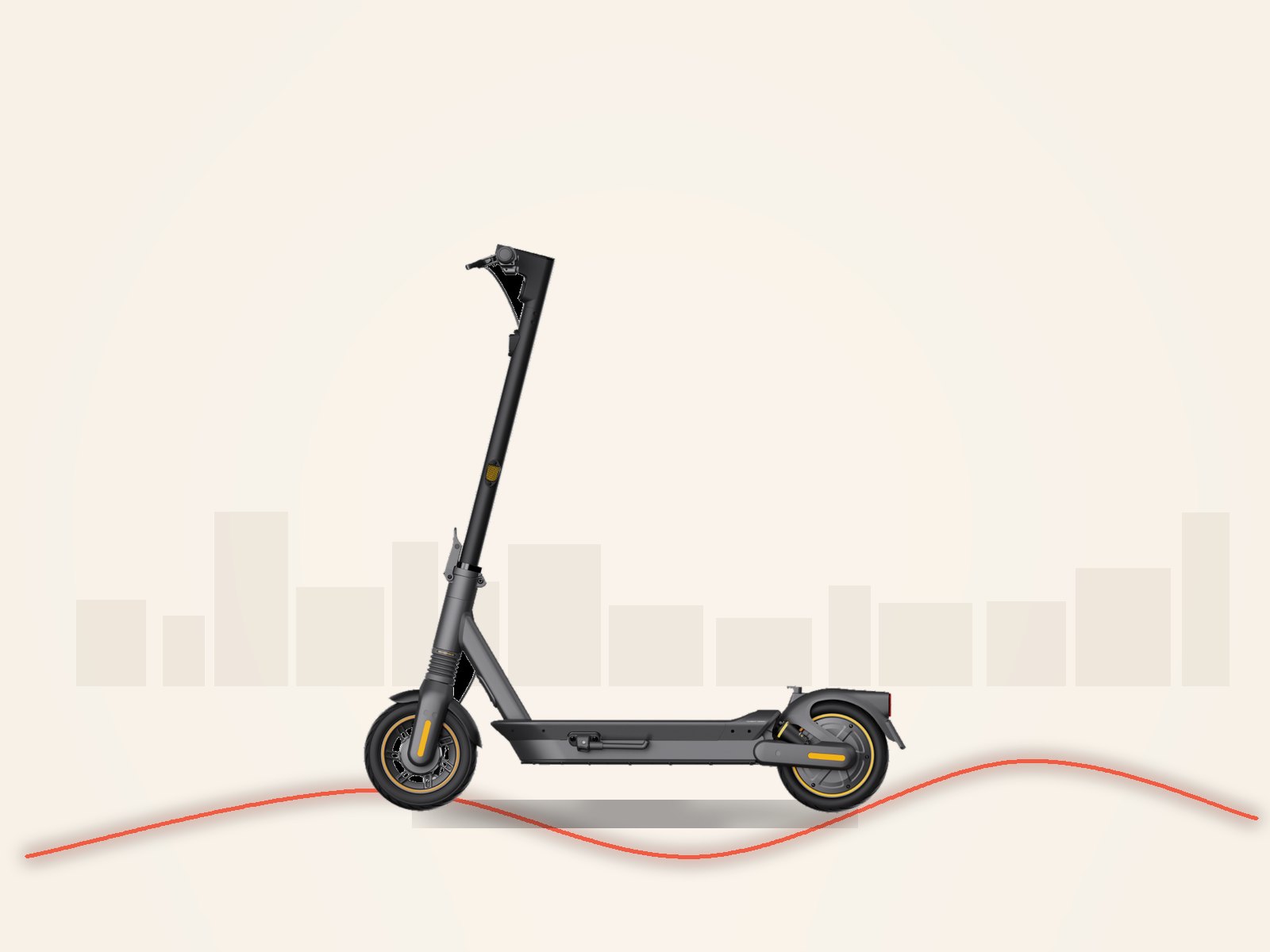
| Segway Ninebot Max G2 | $1,299 | 55 km | 70 km | 24.3 kg | 120 kg | 25 km/h | 25 km/h capable |
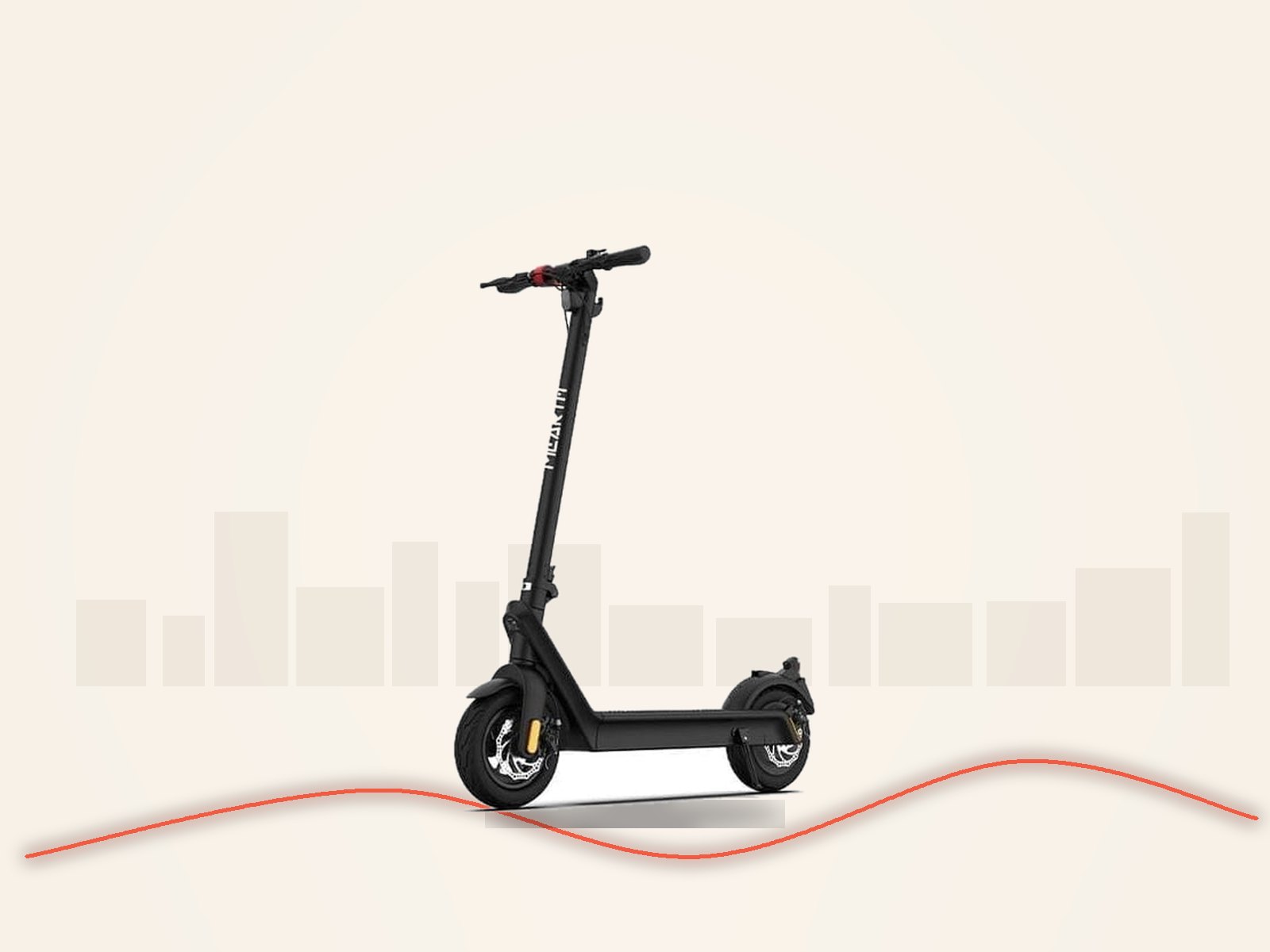
| Mearth RS Pro | $1,399 | 70 km | 100 km | 23 kg | 100 kg | 40 km/h | 25 km/h capable |
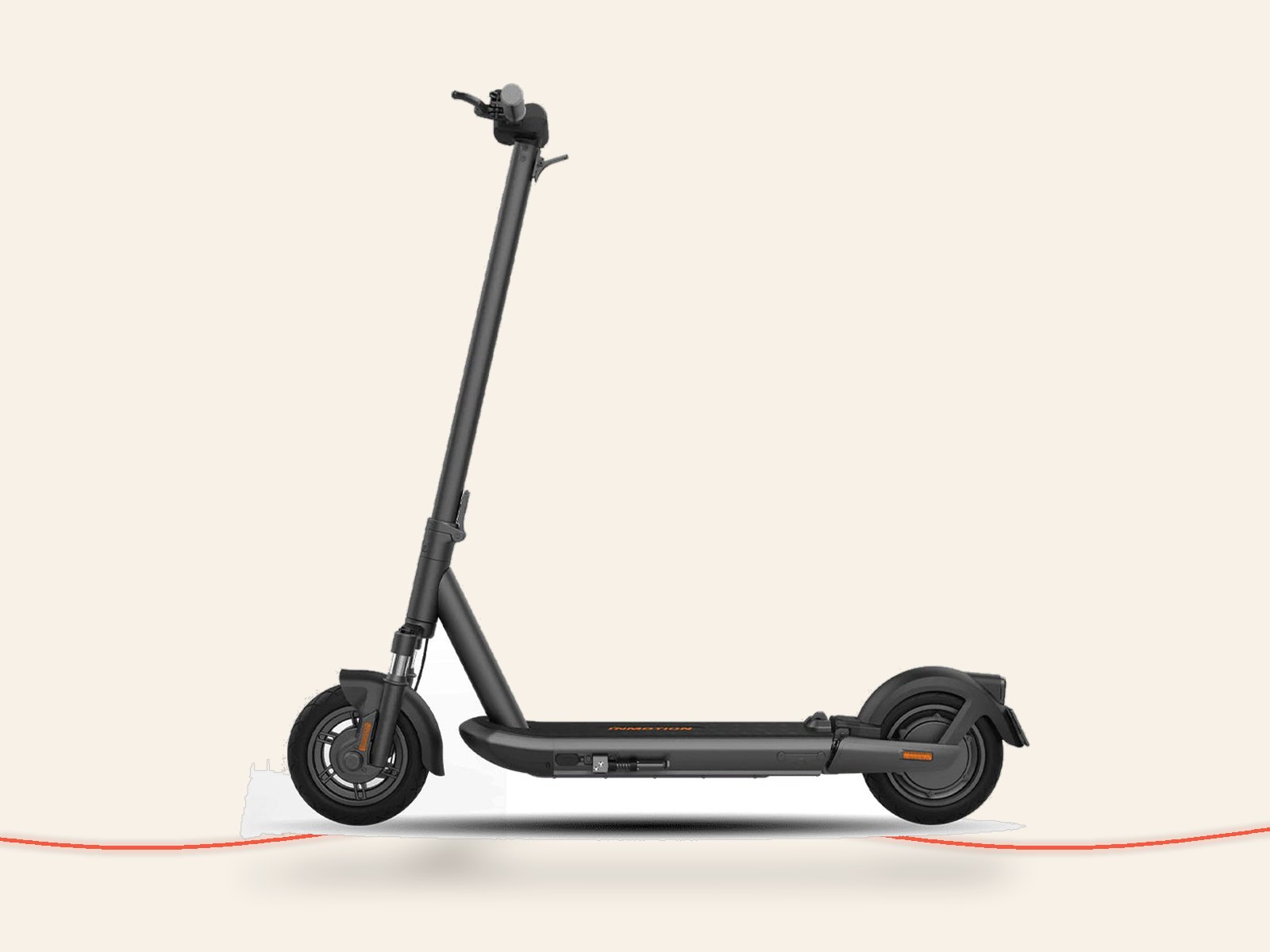
| Inmotion S1 | $1,099 | 65 km | 95 km | 24 kg | 140 kg | 30 km/h | 25 km/h capable |
| Navee GT5 Max | $1,999 | 63 km | 90 km | 24.8 kg | 130 kg | 32 km/h | 25 km/h capable |
| Bolzzen Hustler 4816 | $1,199 | 60 km | 70 km | 27.4 kg | 130 kg | 50 km/h | 25 km/h capable |
| Segway MAX G3 | $1,699 | 56 km | 80 km | 24.3 kg | 130 kg | 25 km/h | 25 km/h capable |
Why each model made the list
Segway Ninebot Max G2
- Why shortlist it
- Class leading real world range for the price, self healing tubeless tyres and a smooth ride from a well proven brand with local support.
- Trade-off
- At 24.3 kg it remains heavy to carry, despite having front hydraulic and rear double suspension. It is a run-out model, so exact condition and parts support matter.
Mearth RS Pro
- Why shortlist it
- Compare the return-trip range allowance and tyre maintenance needs, then confirm compatible parts and Australian seller support.
- Trade-off
- The manufacturer's own 100 km range claim is a best-case lab figure (flat, light rider, 15 km/h); no independent real world figure could be verified. No suspension.
Inmotion S1
- Why shortlist it
- A big 675 Wh battery giving strong claimed range plus a high 140 kg max rider weight, ships default-limited to 25 km/h.
- Trade-off
- Basic front drum brake, and unlocked top speed of 30 km/h is modest compared with faster private-land scooters.
Navee GT5 Max
- Why shortlist it
- Strong claimed range up to 90 km, a rear disc brake and a higher max rider weight than the GT3 Pro.
- Trade-off
- Global spec sheets list region-specific top speeds from 25 to 32 km/h; confirm the exact AU firmware limit with the retailer.
Bolzzen Hustler 4816
- Why shortlist it
- A big claimed 70 km range and 130 kg rider capacity for the price, with coil-over suspension front and rear.
- Trade-off
- Single motor means less hill-climbing punch than Bolzzen's SuperStreet or Phoenix, and 27.4 kg is not the lightest fold.
Segway MAX G3
- Why shortlist it
- Genuine front and rear hydraulic suspension, an 850W motor and an 80 km claimed range in Segway's current commuter flagship.
- Trade-off
- Heavier than the lighter F-series models; check state-specific device requirements as well as riding speed limits.
E-scooters and e-bikes get compared like they're the same decision with two different shapes, but in Australia the legal framework treats them completely differently, and that matters more than any spec sheet.
The legal difference, and it's a big one
A compliant pedal-assist e-bike, one that meets the EN 15194 safety standard, provides motor assistance only while you're pedalling, and cuts that assistance at 25 km/h, is legally treated the same as an ordinary bicycle in NSW. That means it can be ridden anywhere a bicycle can, including in NSW and the Northern Territory, the two jurisdictions where private e-scooters are currently banned from public spaces entirely. If you live in either state and want a legal way to commute on two wheels with electric assistance, an e-bike is genuinely the only option between the two, see are electric scooters legal in Australia for the full picture on where e-scooters stand.
Outside NSW and the NT, both devices are viable, but e-scooters still carry more state-by-state variation in where you can ride and at what speed, footpath caps that range from 10 to 15 km/h, for example, whereas a compliant e-bike follows the same bicycle road rules everywhere.
Range, comfort and hills
MAX G2 specification correction, 17 October 2026: The Australian MAX G2 specification lists a 551 Wh battery, front hydraulic, rear double suspension, 25 km/h supplied maximum and 900 W peak (450 W nominal) motor output. It is a run-out reference, not a current-stock or universal public-riding recommendation. Its 55 km catalogue range is an untested estimate. See the exact model and dated seller context; compare a broader current catalogue. Other historical cost and transport examples retain their own stated source dates.
Weight, storage and price
MAX G2 specification correction, 17 October 2026: The Australian MAX G2 specification lists a 551 Wh battery, front hydraulic, rear double suspension, 25 km/h supplied maximum and 900 W peak (450 W nominal) motor output. It is a run-out reference, not a current-stock or universal public-riding recommendation. Its 55 km catalogue range is an untested estimate. See the exact model and dated seller context; compare a broader current catalogue. Other historical cost and transport examples retain their own stated source dates.
How to actually decide
If you're in NSW or the NT, this is largely decided for you, an e-bike is the workable legal option, a private e-scooter isn't. If you're elsewhere and your commute is short, flat and mostly indoors-to-indoors (train platform to office lift), a legal-class e-scooter's weight and price advantage is hard to beat. If your commute is longer, hillier, or you'd rather arrive seated and less fatigued, an e-bike is the more comfortable long-term choice, worth the extra weight and price.
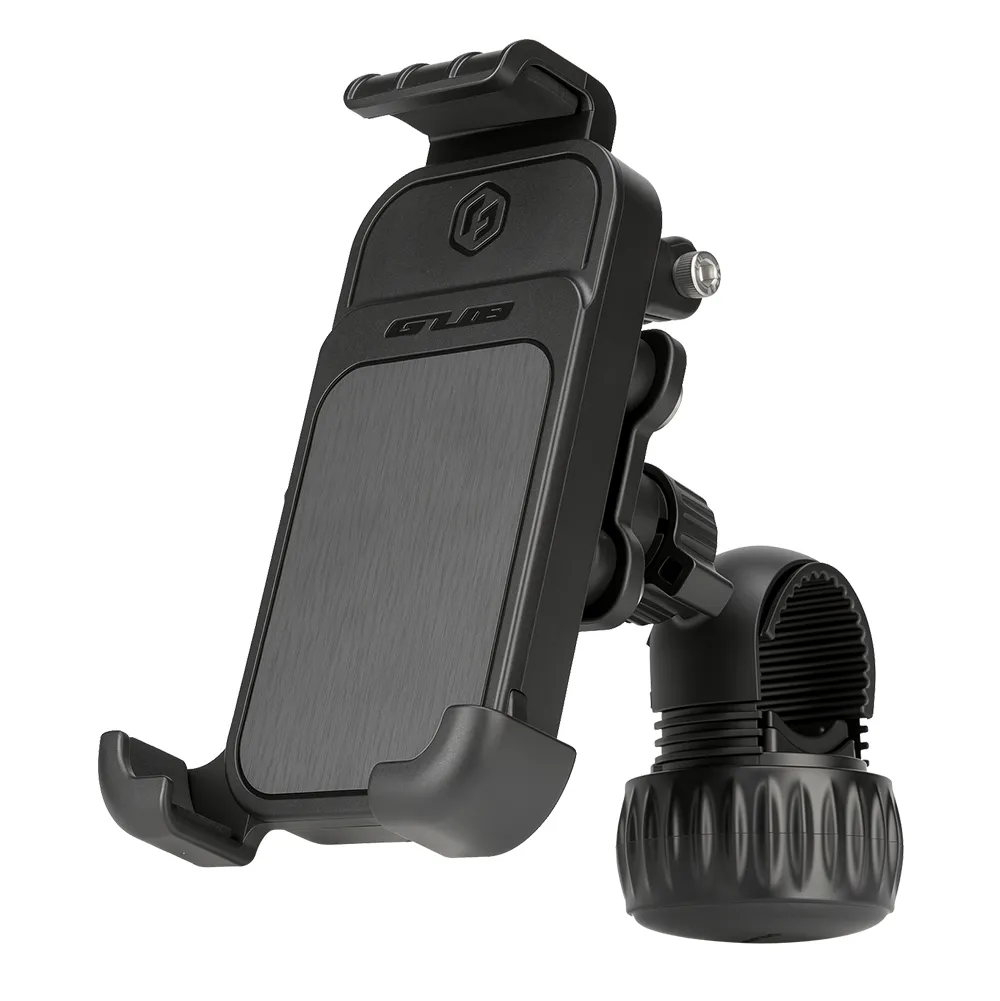
Phone mounts that fit e-scooter stems and bars and hold on over potholes and tram tracks. Ships from Australia, free shipping over $60.


Law updates, new models and buying guides for Australian e-scooter riders, straight to your inbox.
This isn't really scooter versus bike, it's "what am I legally allowed to ride where I live", and in two states that question answers itself before you've even compared a single spec.
Frequently asked questions
Is an e-bike better than an e-scooter for commuting?
It depends on your state and your commute. For a longer or hillier ride, or if you live in NSW or the Northern Territory, a compliant e-bike is the more broadly usable option, it's treated like an ordinary bicycle nationwide. For a short, flat commute in a state that permits private e-scooters, a legal-class scooter is lighter, cheaper to buy and easier to store.
Are e-bikes legal in NSW even though e-scooters aren't?
Yes. A compliant pedal-assist e-bike, meeting the EN 15194 standard with assistance capped at 25 km/h and no throttle-only riding, is legally treated as an ordinary bicycle in NSW and can be ridden wherever a bicycle can. Private e-scooters remain banned from public spaces in NSW regardless of the device.
Which is cheaper, an e-bike or an e-scooter?
E-scooters generally have a lower entry price. ScootFinder's cheapest legal-class scooter is $1,199. Quality e-bikes typically sit at a higher price point, check WattsUp.au's current e-bike range for verified Australian pricing.
Can you ride an e-bike further than an e-scooter?
Generally yes. Most e-bikes carry a larger battery and let you pedal to extend range beyond what the motor alone provides, and the seated, geared riding position handles hills and longer distances more comfortably.
Sources
- Transport for NSW: E-bikes (checked 16 Jul 2026)
- NSW Government: E-bike FAQs (checked 16 Jul 2026)
- Transport for NSW: E-scooters (checked 16 Jul 2026)
- ScootFinder.au verified catalogue (lib/scooters/scooters.ts) (checked 16 Jul 2026)
- Segway-Ninebot Australia MAX G2 battery, suspension, AU configuration and range conditions (checked 17 Oct 2026)