
Segway Ninebot Max G2 vs Inokim Light 2
The MAX G2 is the heavier suspended commuter: its Australian specifications list a 551 Wh battery, front hydraulic and rear double suspension, and 25 km/h maximum speed. The Light 2 is the lighter carrying alternative; confirm its exact configuration and current seller support. These are not the only two commuter options, and an app mode is not approval.
Last reviewed 17 Oct 2026
Woman wearing a helmet commuting on an electric scooter on an urban street. Photo for illustration.
Key points
- The MAX G2 is the heavier suspended commuter: its Australian specifications list a 551 Wh battery, front hydraulic and rear double suspension, and 25 km/h maximum speed. The Light 2 is the lighter carrying alternative; confirm its exact configuration and current seller support. These are not the only two commuter options, and an app mode is not approval.
- Range figures are manufacturer claims or ScootFinder planning estimates, not physical test results.
- Prices and stock are dated catalogue observations. Confirm the exact Australian model and current offer with the seller.
Verdict at a glance
The MAX G2 is the heavier suspended commuter: its Australian specifications list a 551 Wh battery, front hydraulic and rear double suspension, and 25 km/h maximum speed. The Light 2 is the lighter carrying alternative; confirm its exact configuration and current seller support. These are not the only two commuter options, and an app mode is not approval.
Specification comparison
| Specification | Segway Ninebot Max G2 | Inokim Light 2 |
|---|---|---|
| Catalogue price (last recorded check, not live stock) | $1,299 | Check seller |
| Motor (rated) | 450 W | 350 W |
| Motor (peak) | 900 W | 650 W |
| Published top speed (see configuration below) | 25 km/h | 35 km/h |
| Range (manufacturer claim) | 70 km | 45 km |
| Range (ScootFinder estimate, not tested) | 55 km | 30 km |
| Battery | 551 Wh | Not published |
| Weight | 24.3 kg | 13.7 kg |
| Maximum rider load | 120 kg | 120 kg |
| Tyres | 10 inch pneumatic tubeless | 8.5 inch pneumatic |
| Suspension | Front hydraulic, rear double suspension | None |
| Brakes | Front drum, rear regenerative | Rear disc with regenerative |
| Water resistance | IPX5 | IPX4 |
Australian configuration
Segway Ninebot Max G2: Segway-Ninebot Australia publishes 25 km/h for the MAX G2 supplied configuration. Overseas 35 km/h figures or an app mode do not establish the Australian device specification or public-riding eligibility.
Inokim Light 2: The catalogue retains the published capability for this older model. Confirm the exact Australian version; do not treat a riding-mode limit as proof of public-use eligibility.
Range and availability
ScootFinder estimates 55 km and 30 km respectively. Neither scooter has been physically tested by ScootFinder; hills, load, weather and speed change actual range. Seller checks are dated on the model pages and are not live delivery guarantees.
Open Segway Ninebot Max G2 and Inokim Light 2 for dated seller information and state-specific device checks, or use the interactive comparison.
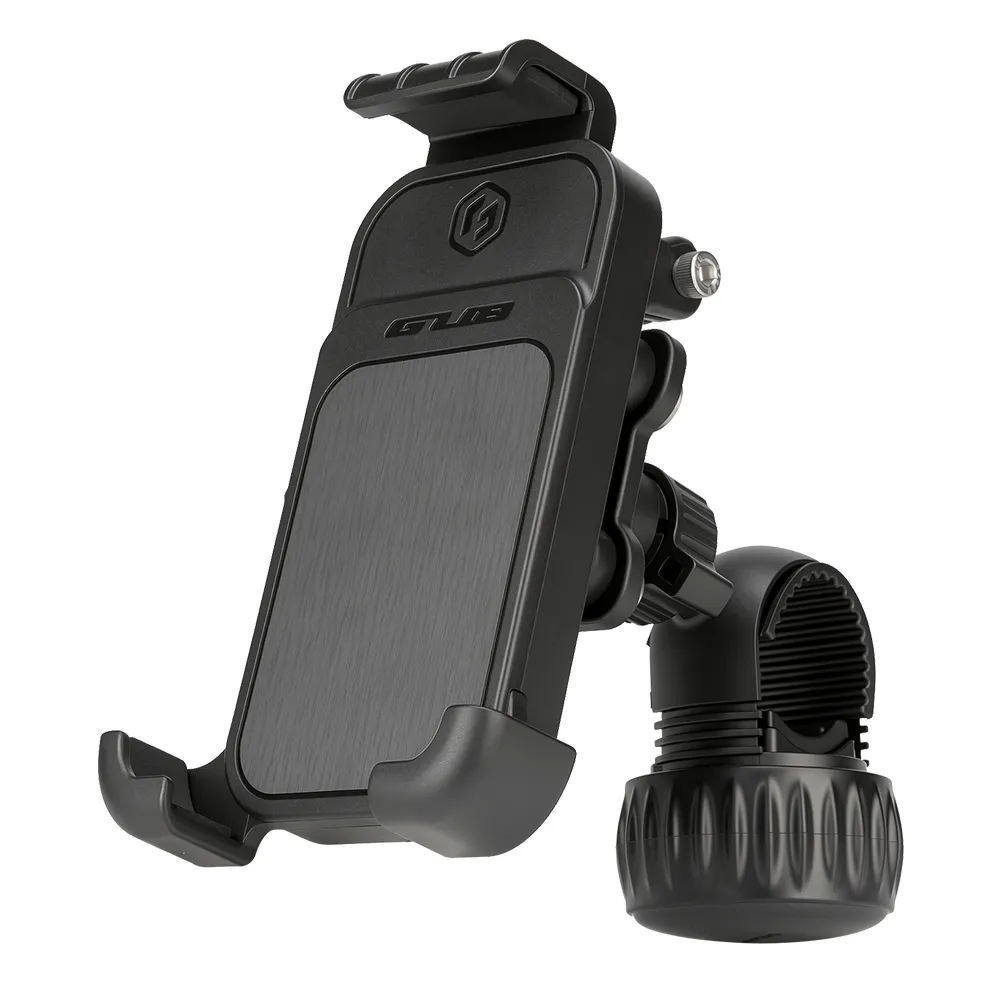
Phone mounts that fit e-scooter stems and bars and hold on over potholes and tram tracks. Ships from Australia, free shipping over $60.


Law updates, new models and buying guides for Australian e-scooter riders, straight to your inbox.
Choose for your route, carrying needs and local device rules, not an overseas speed figure.
Frequently asked questions
Are these range figures tested?
No. The comparison separates manufacturer claims from ScootFinder estimates. No physical test result is claimed.
Does a 25 km/h setting make either scooter legal everywhere?
No. Confirm the exact Australian configuration and all applicable state device requirements, including weight and dimensions in WA, as well as rider and location rules.
Is the listed price and stock current?
Confirm with the seller. Use the dated seller records on the linked model pages; they are not live stock or delivery guarantees.
Sources
- Inokim Australia (checked 16 Jul 2026)
- Segway-Ninebot Australia MAX G2 specifications (checked 17 Oct 2026)