Home / Best premium electric scooters in Australia
Australian buying guide

Best premium electric scooters in Australia

Compare premium electric scooters over $2,000 by range, ride hardware, payload, performance and Australian legal-class capability.

The short answer

Premium money should buy better suspension, brakes, battery capacity and support. It should not be treated as permission to use high performance modes on public roads or paths.

Live catalogue

ScootFinder's current shortlist

6 verified models

This live shortlist covers current Australian-priced adult scooters from $2,000, including both legal-class-capable and private-land performance models with clear labels.

Key specifications

Compare the shortlist

Range estimates are ScootFinder estimates unless a tested result is explicitly labelled. Claimed range is the manufacturer's published best-case figure.

ModelPriceReal range estimateClaimed rangeWeightPayloadTop speedLegal class
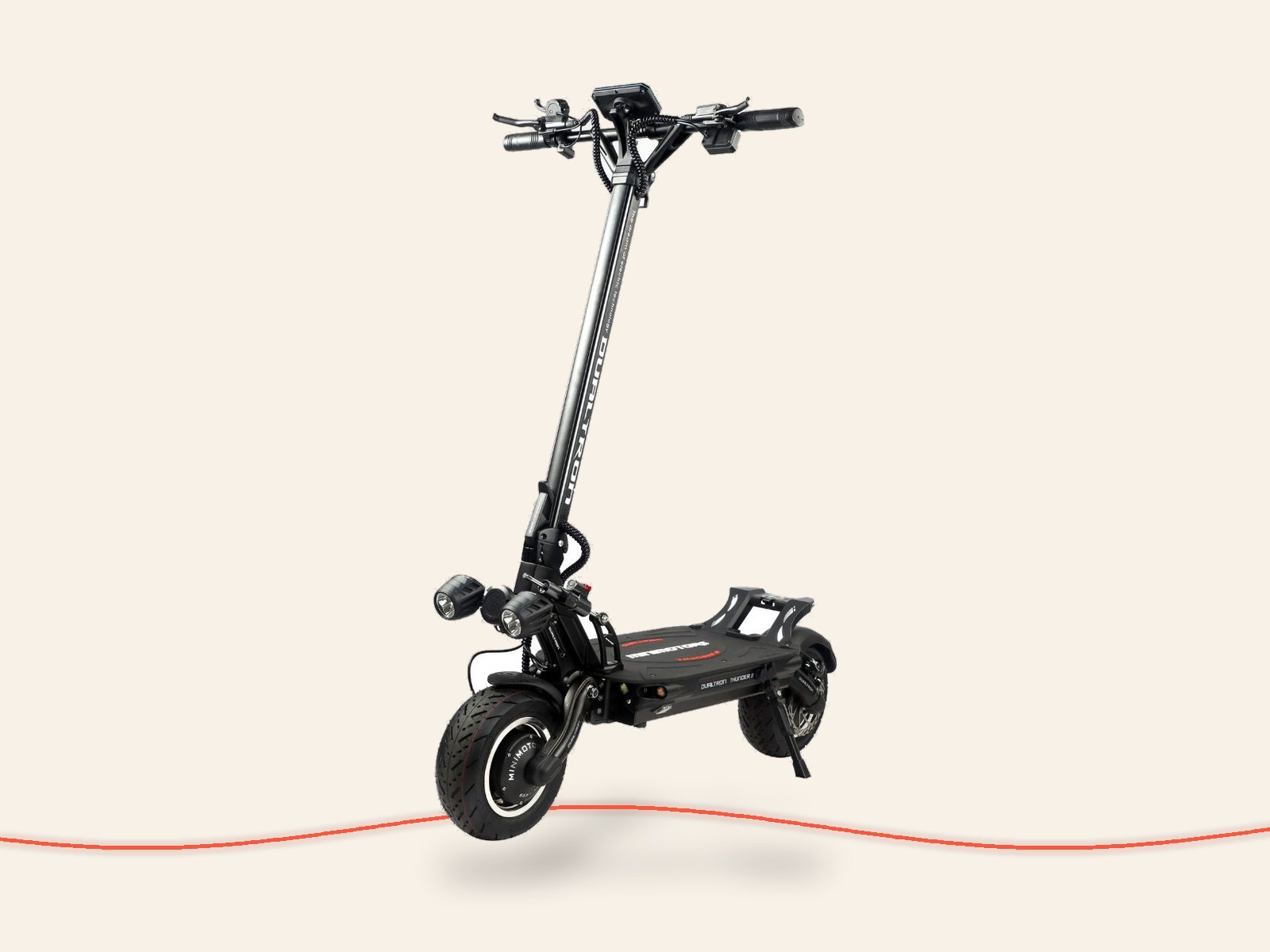
Dualtron Thunder 3$7,499119 km170 km47.3 kg120 kg100 km/hPrivate land
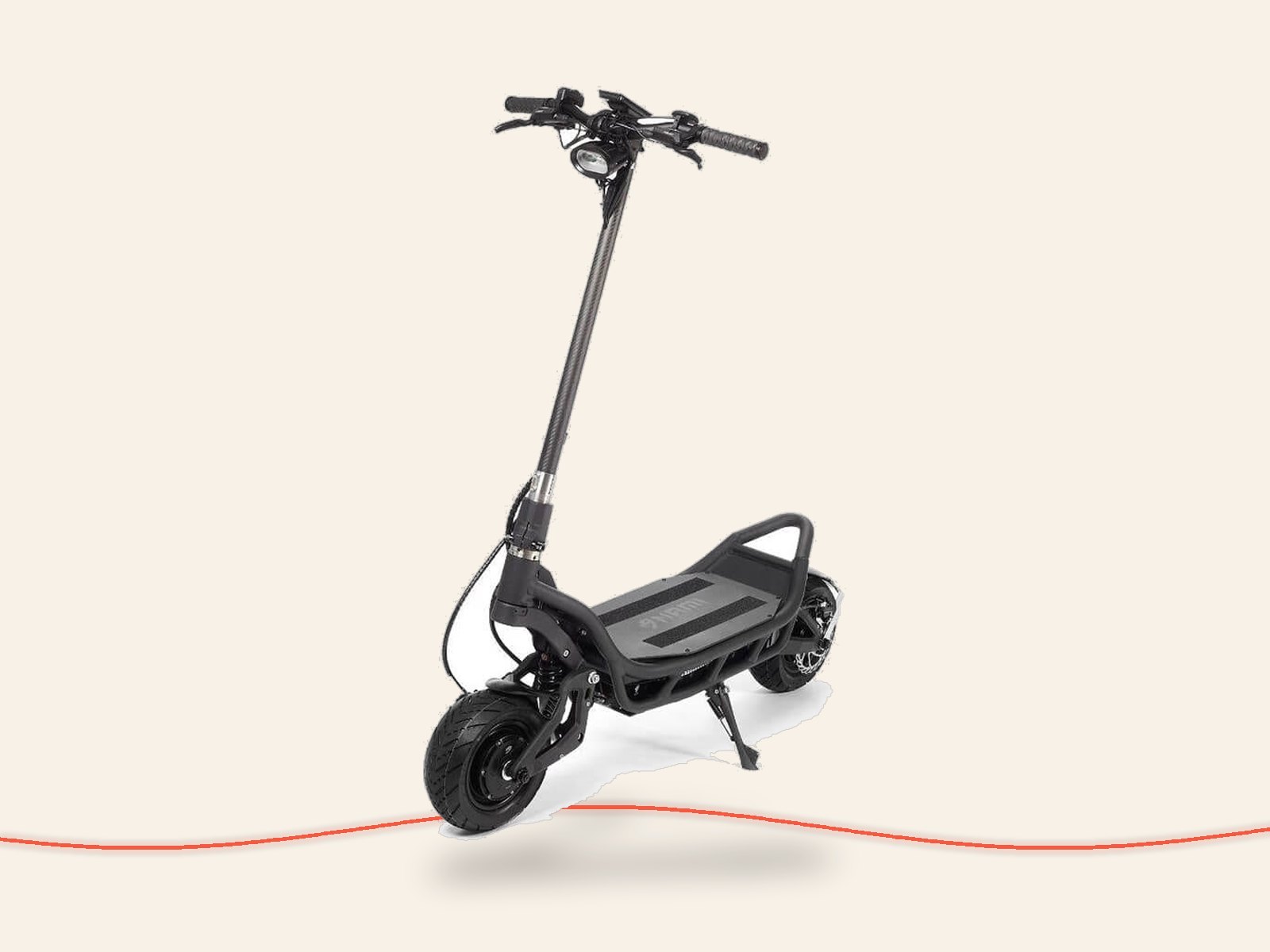
NAMI Burn-E Viper Max (40Ah)$5,199105 km150 km47 kg150 kg90 km/hPrivate land
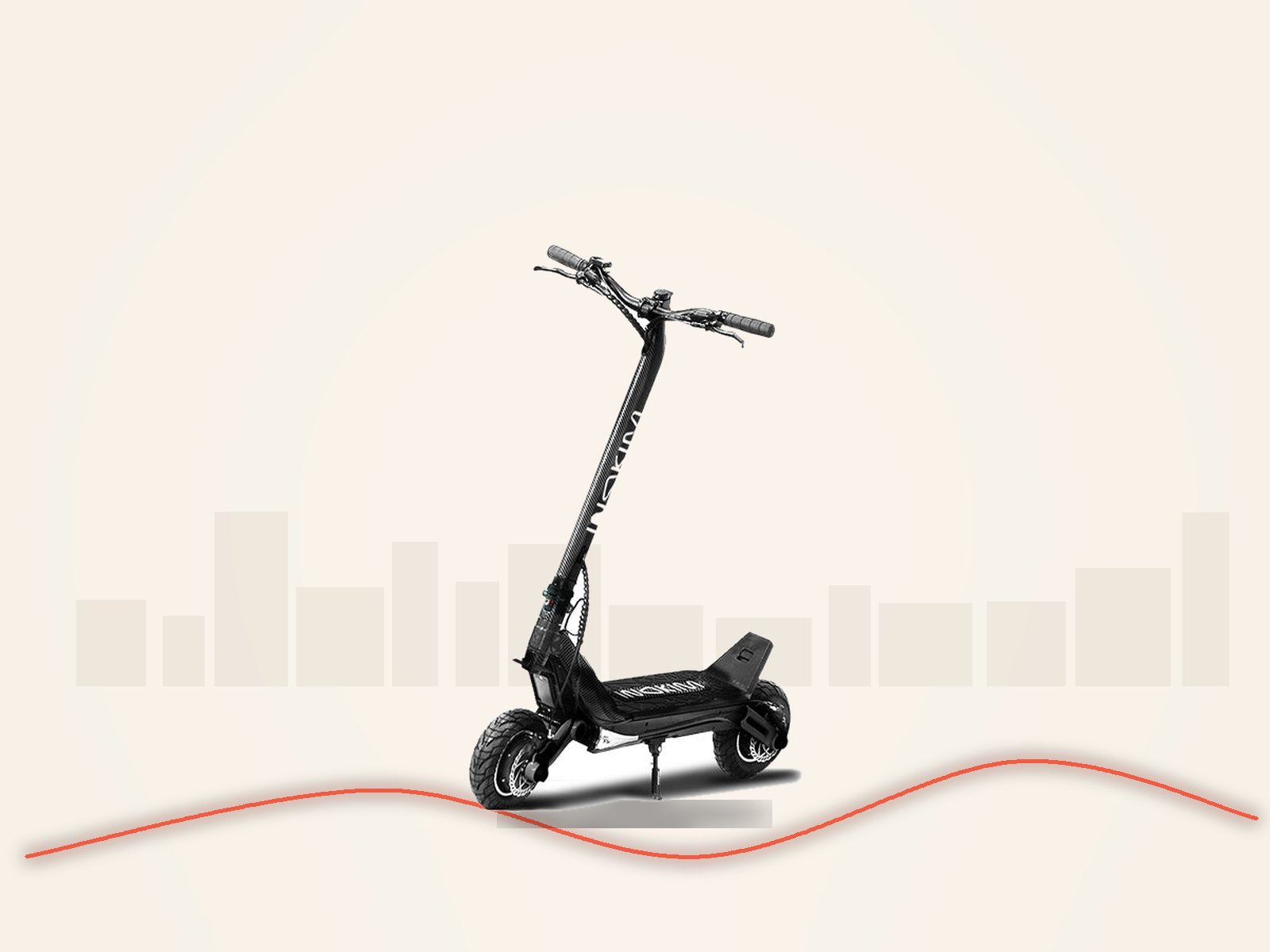
Inokim OXO$2,89980 km110 km40 kg120 kg65 km/hPrivate land
Mearth GTS Max$2,79970 km100 km41 kg150 kg70 km/hPrivate land
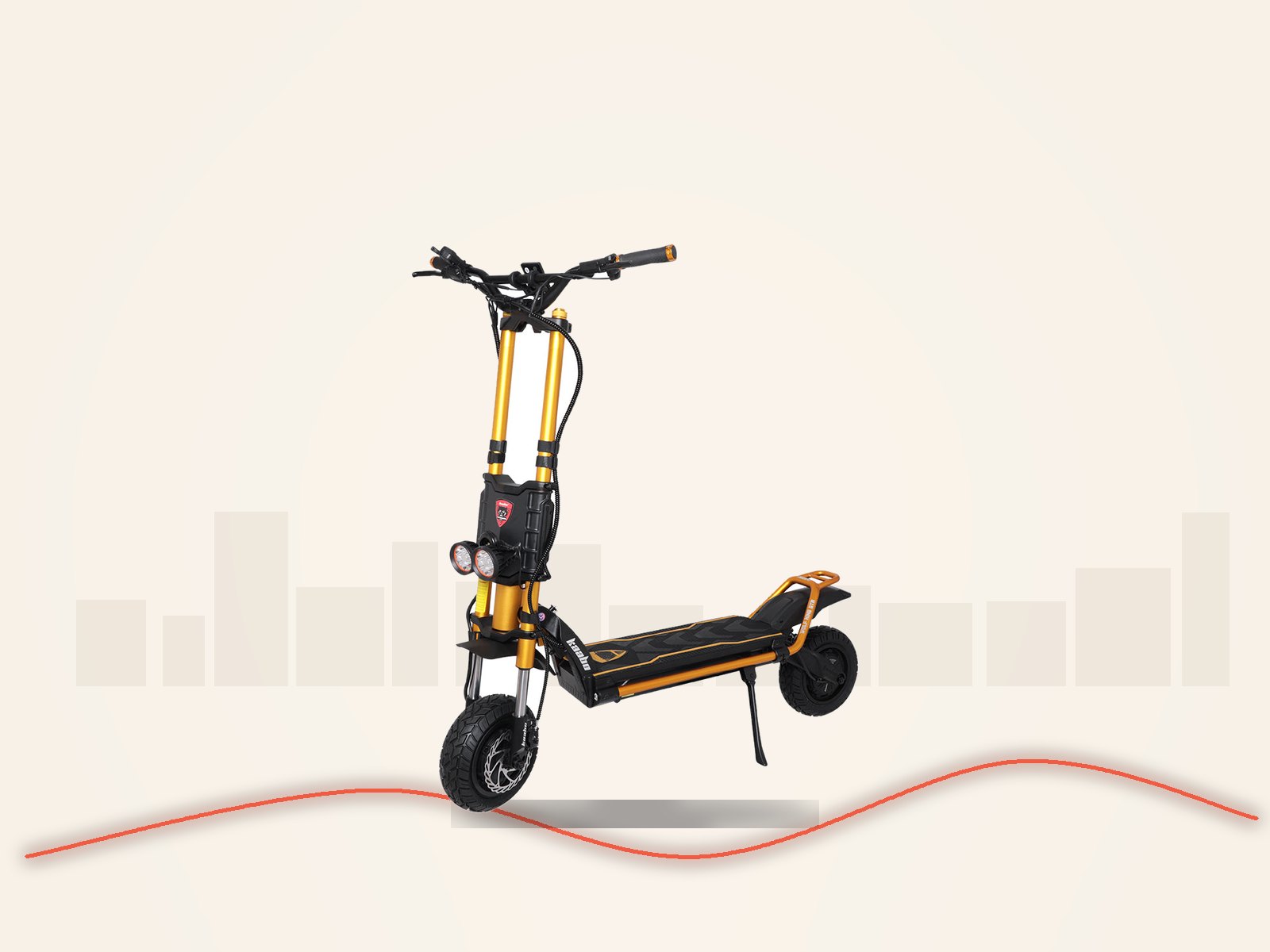
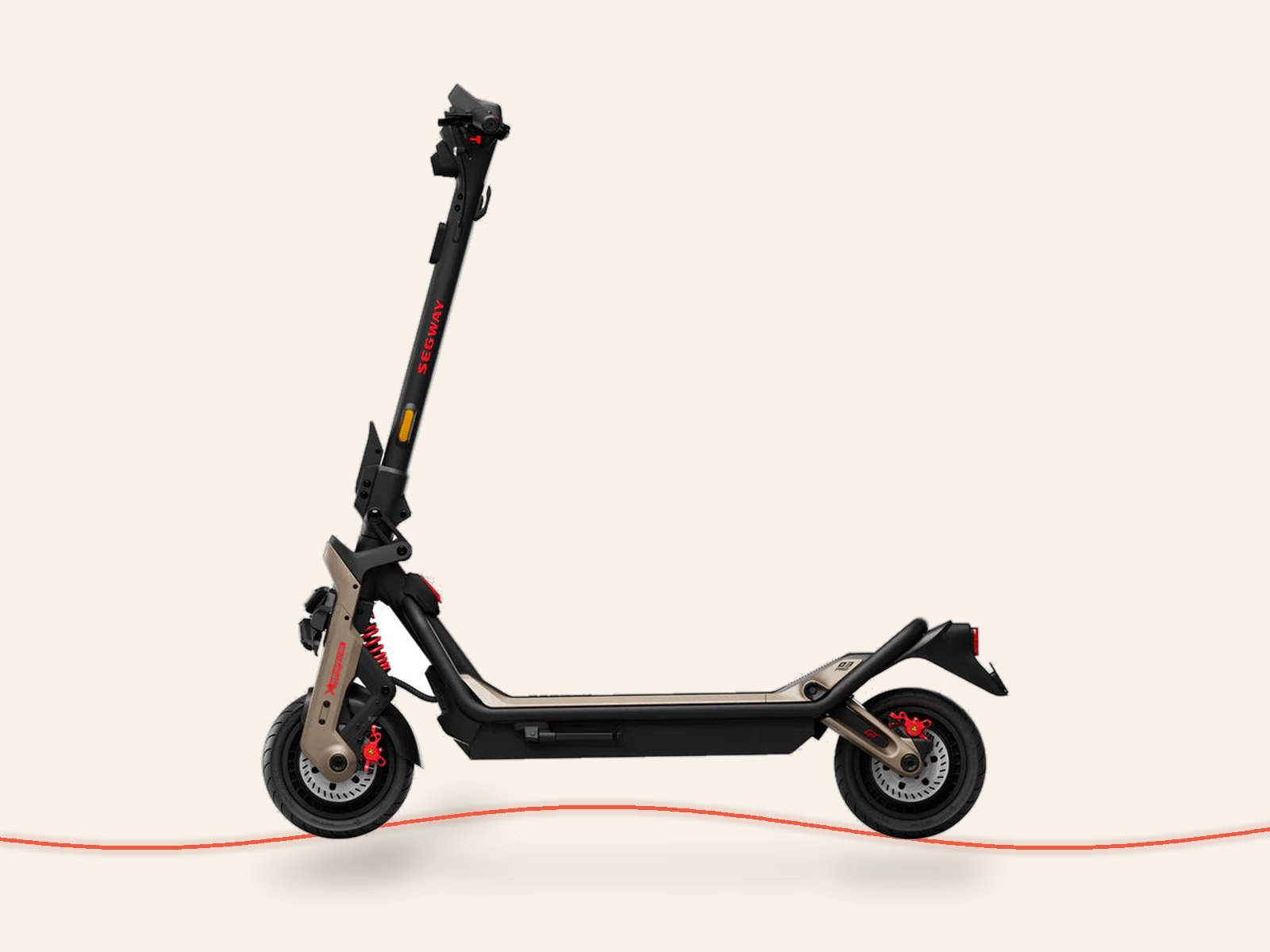
Kaabo Mantis King GT$2,89964 km90 km33.2 kg150 kg72 km/hPrivate land
VSETT 10 APEX$4,59963 km90 km36 kg130 kg80 km/hPrivate land
Research notes

Why each model made the list

1

Dualtron Thunder 3

Why shortlist it
Massive claimed range, 4-piston hydraulic brakes and ultra-wide 11 inch tubeless tyres.
Trade-off
Very heavy at 47.3 kg, extremely expensive, and well outside the legal class at 100 km/h.
2

NAMI Burn-E Viper Max (40Ah)

Why shortlist it
Massive 2880 Wh battery, 8400W peak dual motor power and 4-piston hydraulic brakes.
Trade-off
At 90 km/h and 47 kg, this is firmly a private land device, and retailer naming for this generation ('Viper 2 Max' vs 'Viper 3 Max') is inconsistent.
4

Mearth GTS Max

Why shortlist it
Big 1061 Wh battery, dual disc brakes and full suspension in an Australian-brand package.
Trade-off
At 70 km/h it sits well outside the 25 km/h legal class, and is heavy at 41 kg. Stock was limited across AU retailers checked in July 2026.
5

Kaabo Mantis King GT

Why shortlist it
Hydraulic suspension, strong hydraulic disc brakes and a big claimed range in a folding package.
Trade-off
At over 70 km/h and 33.2 kg, this is a private land device. AU retailer stock is inconsistent.
6

VSETT 10 APEX

Why shortlist it
Adjustable Spring-R suspension, 4-piston hydraulic disc brakes and strong claimed range up to 90 km on the base battery.
Trade-off
At 36 kg it is heavy to carry, and the 80 km/h uncapped speed is a private property mode only; battery Wh is not published.
Buying advice

What to check before you buy

Models are selected from current catalogue records and compared using published manufacturer specifications. ScootFinder does not imply physical testing.

  • Decide whether you need a public-riding commuter or a private-land performance machine.
  • Check servicing and parts support before buying a niche model.
  • Budget for the weight and charging time of a larger battery.
Australian rules

Legality depends on your state

Open the national law guide

A legal-class-capable label only describes the device. It does not override where, how fast or by whom it may be ridden. Check the current official rule for your jurisdiction before buying or riding.

FAQs

Common questions

What do premium electric scooters add?

Typical gains include hydraulic suspension, stronger brakes, larger batteries, higher payloads and better display or app features.

Are premium performance scooters road legal?

Many are not suitable for public riding because of their device capability. Legality depends on the scooter and the state, not its price.

Keep exploring

Related scooter guides