
The best electric scooters for hills in Australia
Hobart, Brisbane's inner north, Sydney's north shore, the Adelaide foothills: plenty of Australian commutes climb. Motor power, especially peak wattage and torque, is what separates a scooter that climbs from one that crawls. These current, Australian priced models have the grunt for gradients while staying in the 25 km/h legal class.
Last reviewed 16 Oct 2026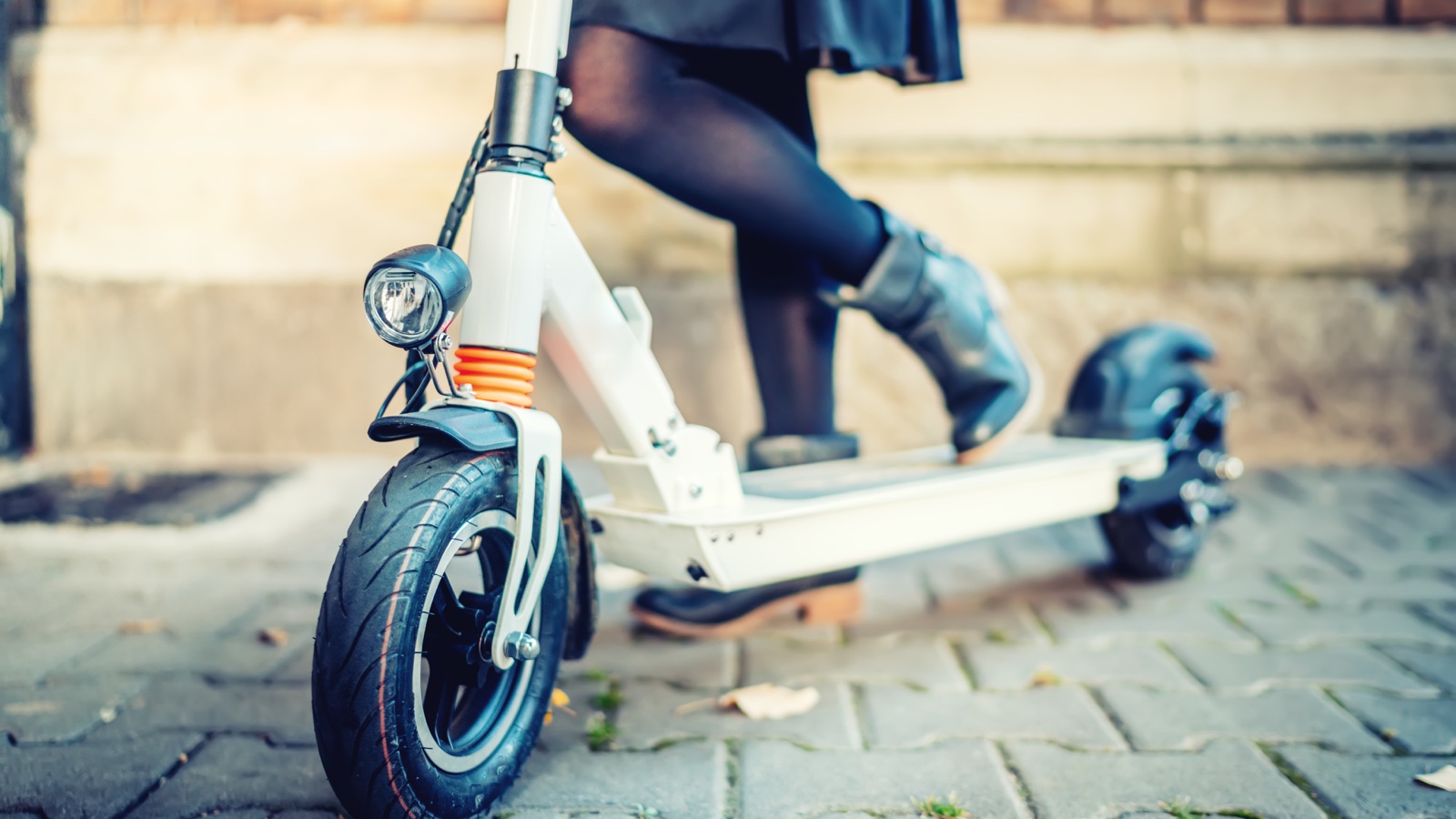
Electric scooter rider climbing a hilly Australian street. Photo for illustration.
Key points
- Mukuta 10+ 21Ah: $2,299, 55 km real world range (est.), 36 kg.
- VSETT 9 APEX: $2,699, 45 km real world range (est.), 30 kg.
- Bolzzen Phoenix 5223: $2,299, 60 km real world range (est.), 31 kg.
- VSETT 8 APEX: $2,199, 42 km real world range (est.), 28 kg.
- Segway GT3: $2,899, 51 km real world range (est.), 39.5 kg.
- Bolzzen SuperStreet 4816: $1,499, 45 km real world range (est.), 24.5 kg.
The scooters in this guide
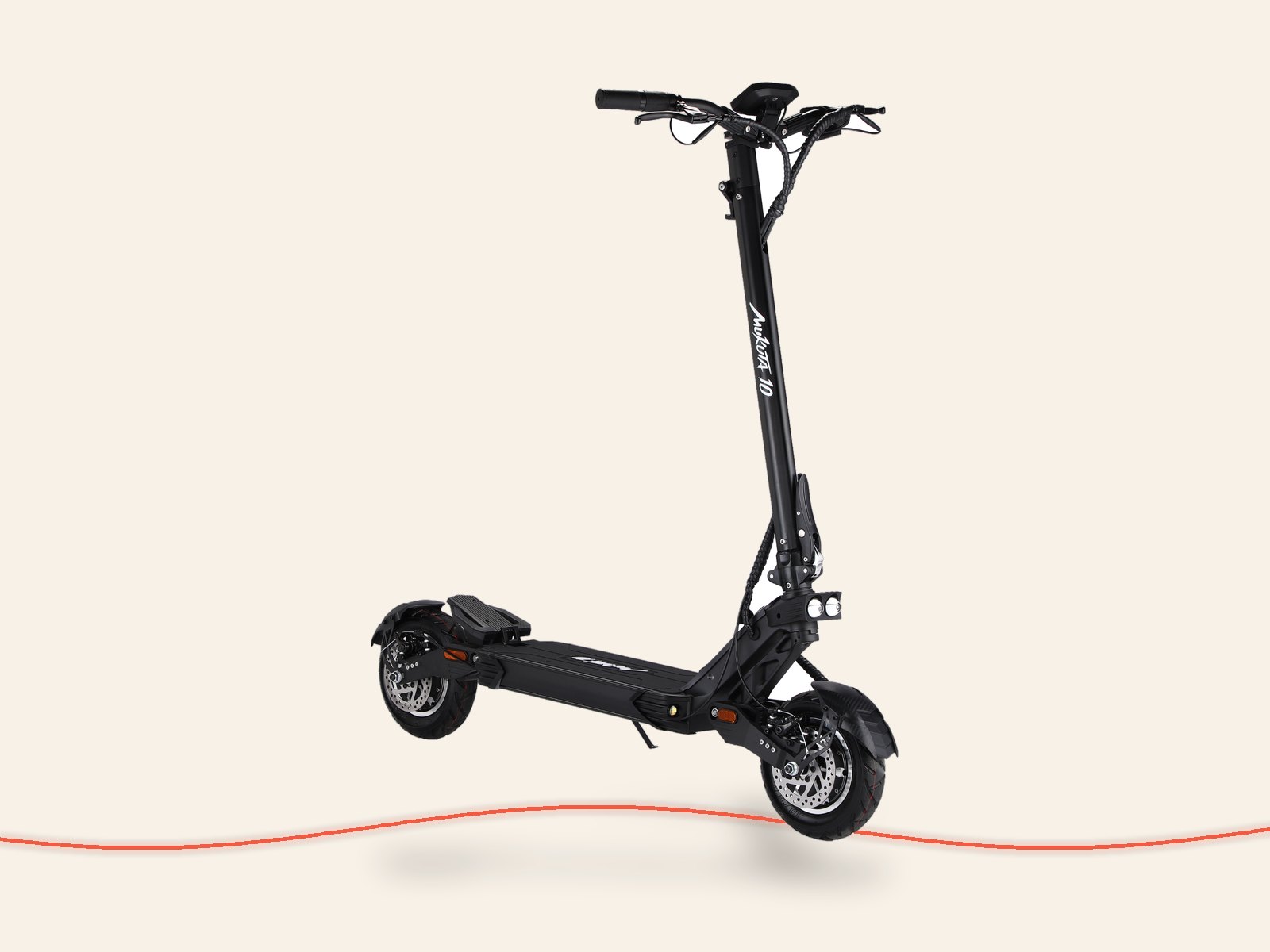 Off Road
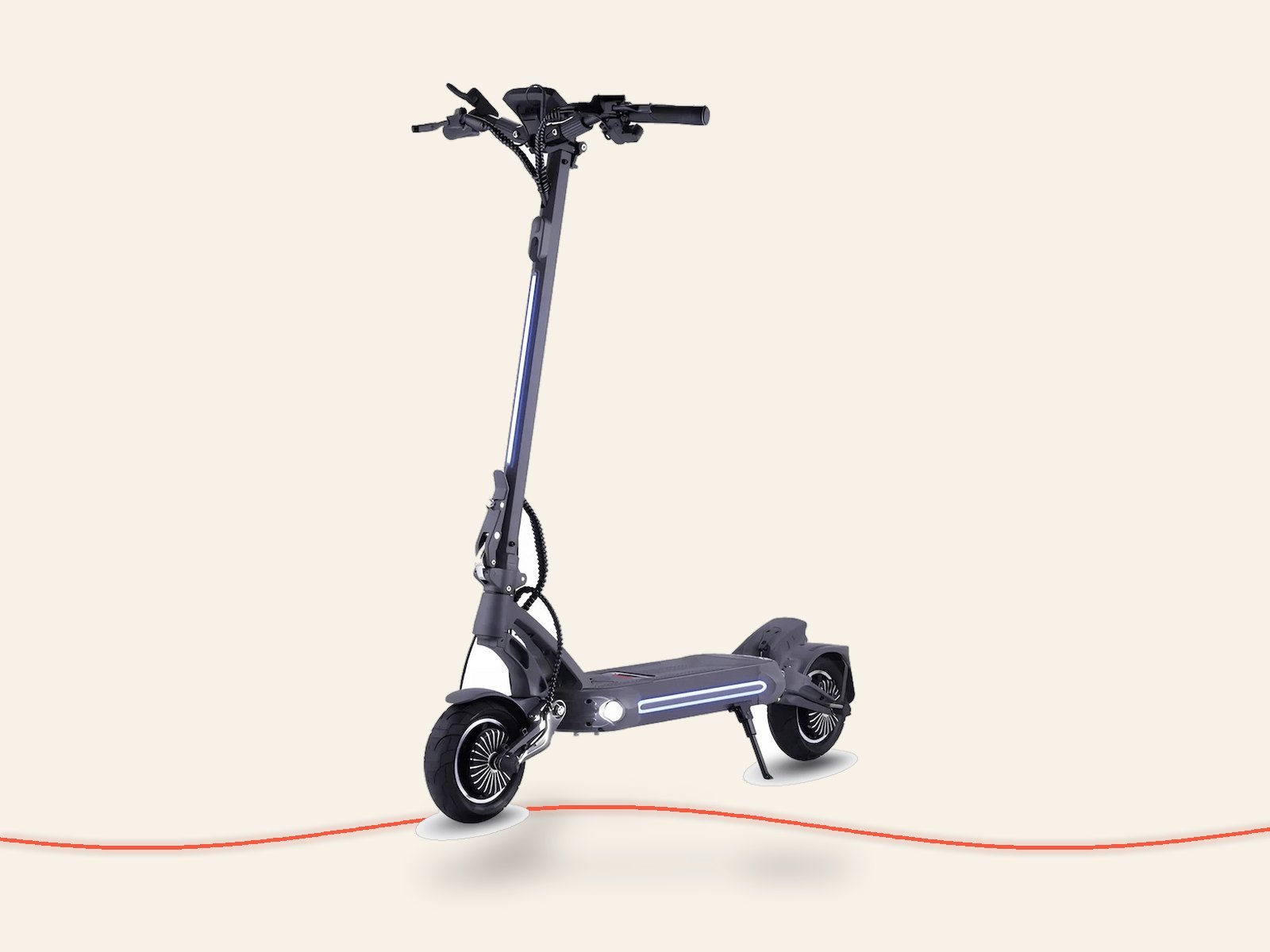 Long RangeNew
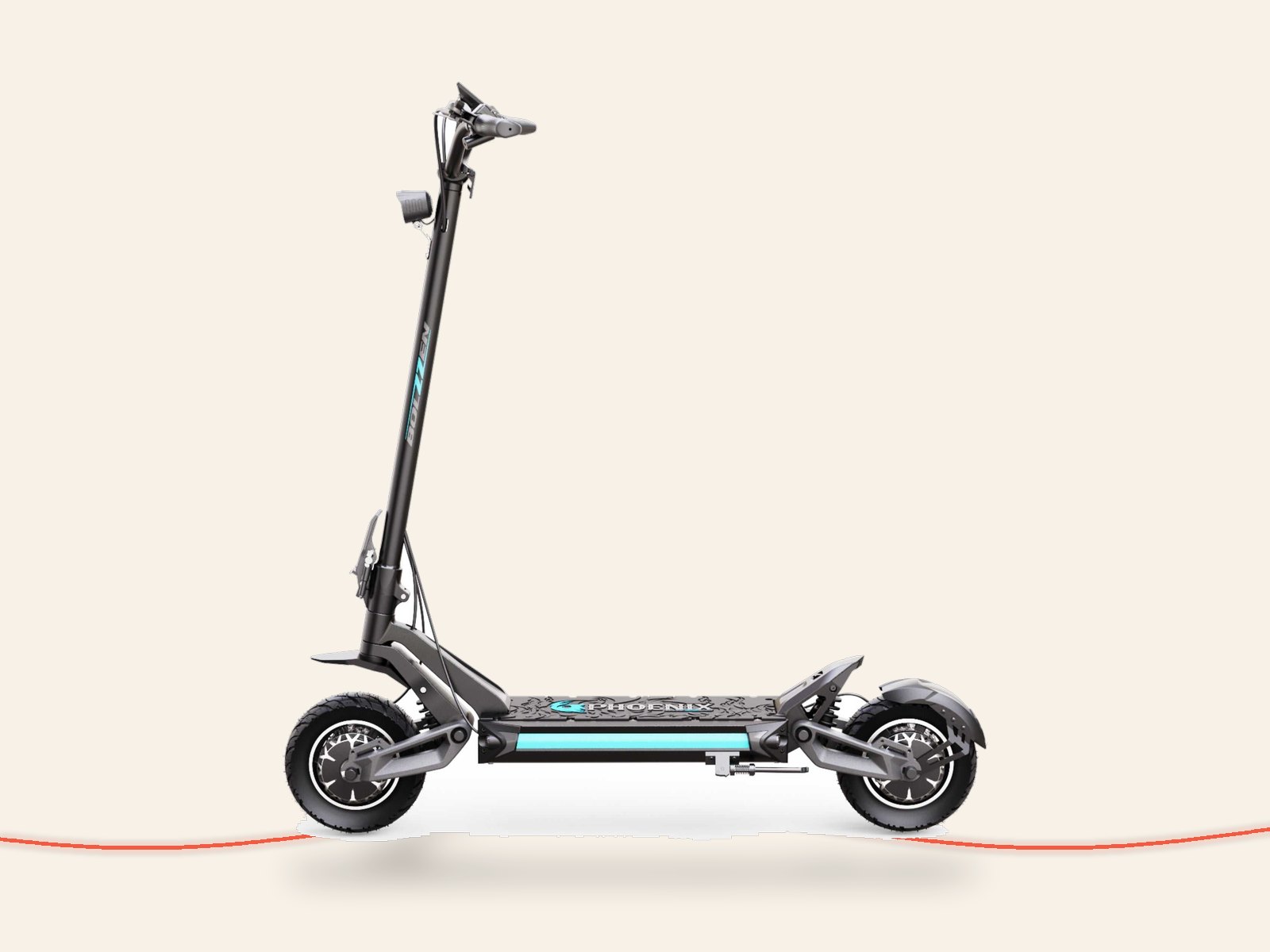 Performance
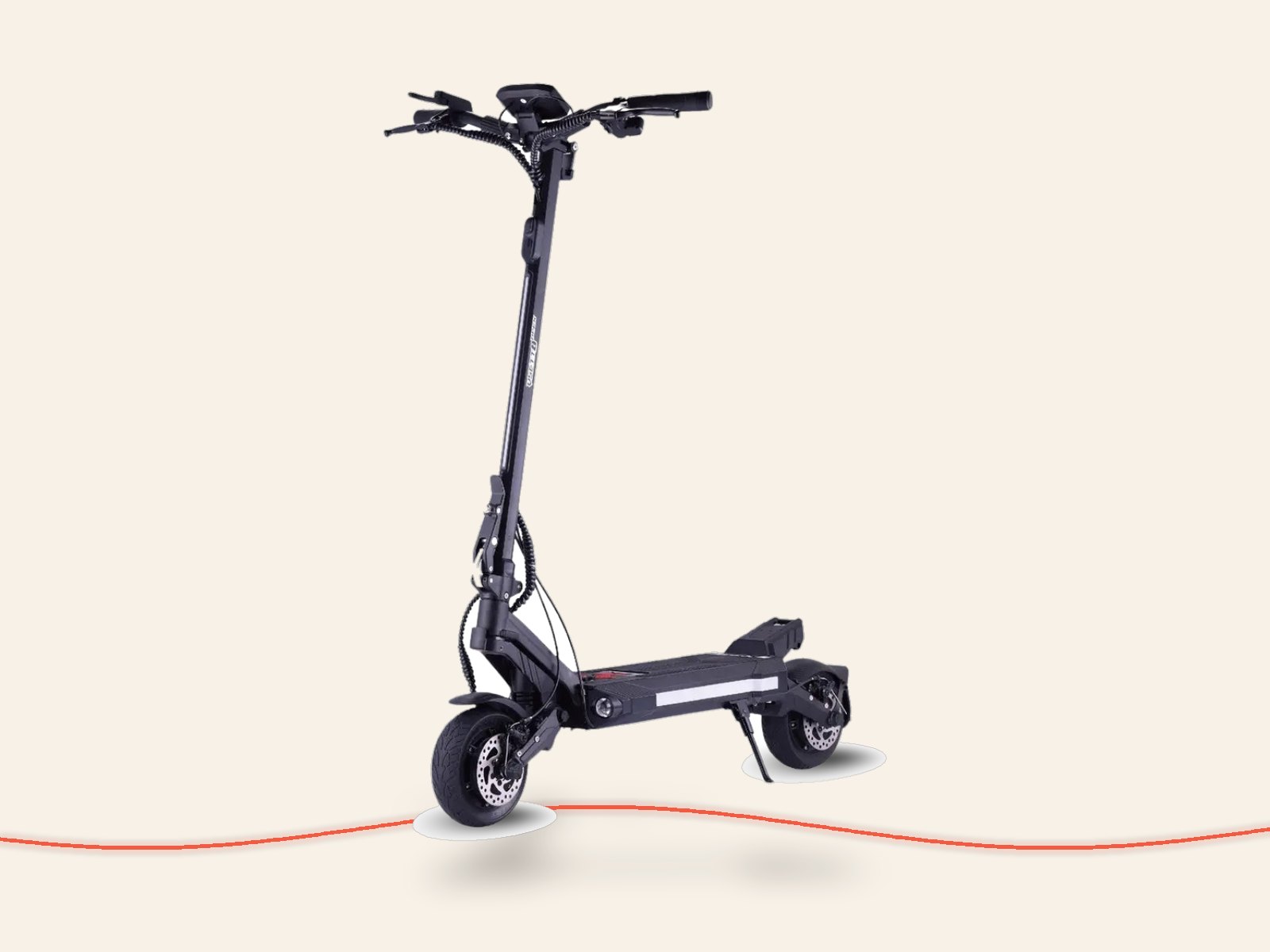 CommuterNew
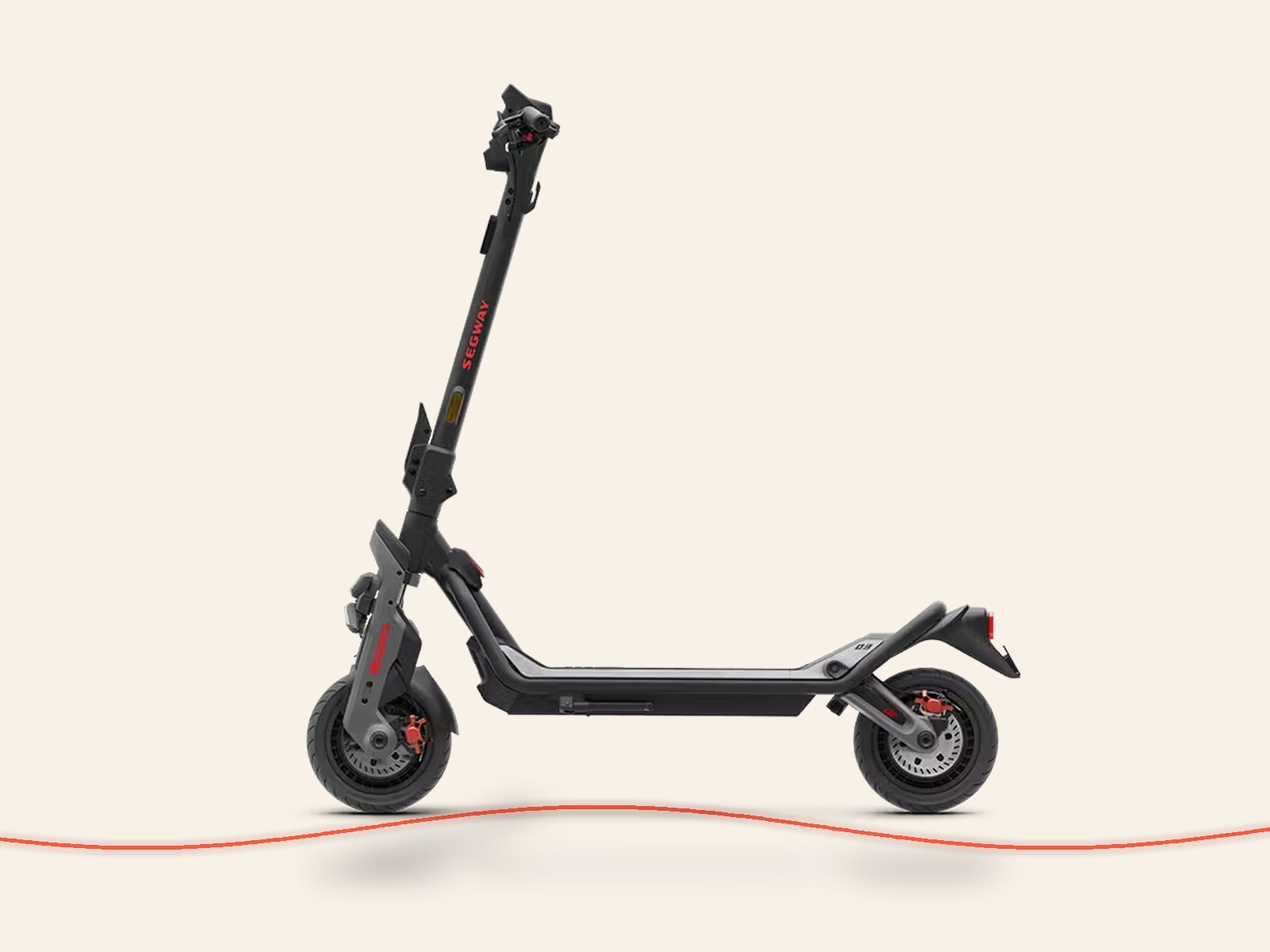 PerformanceNew
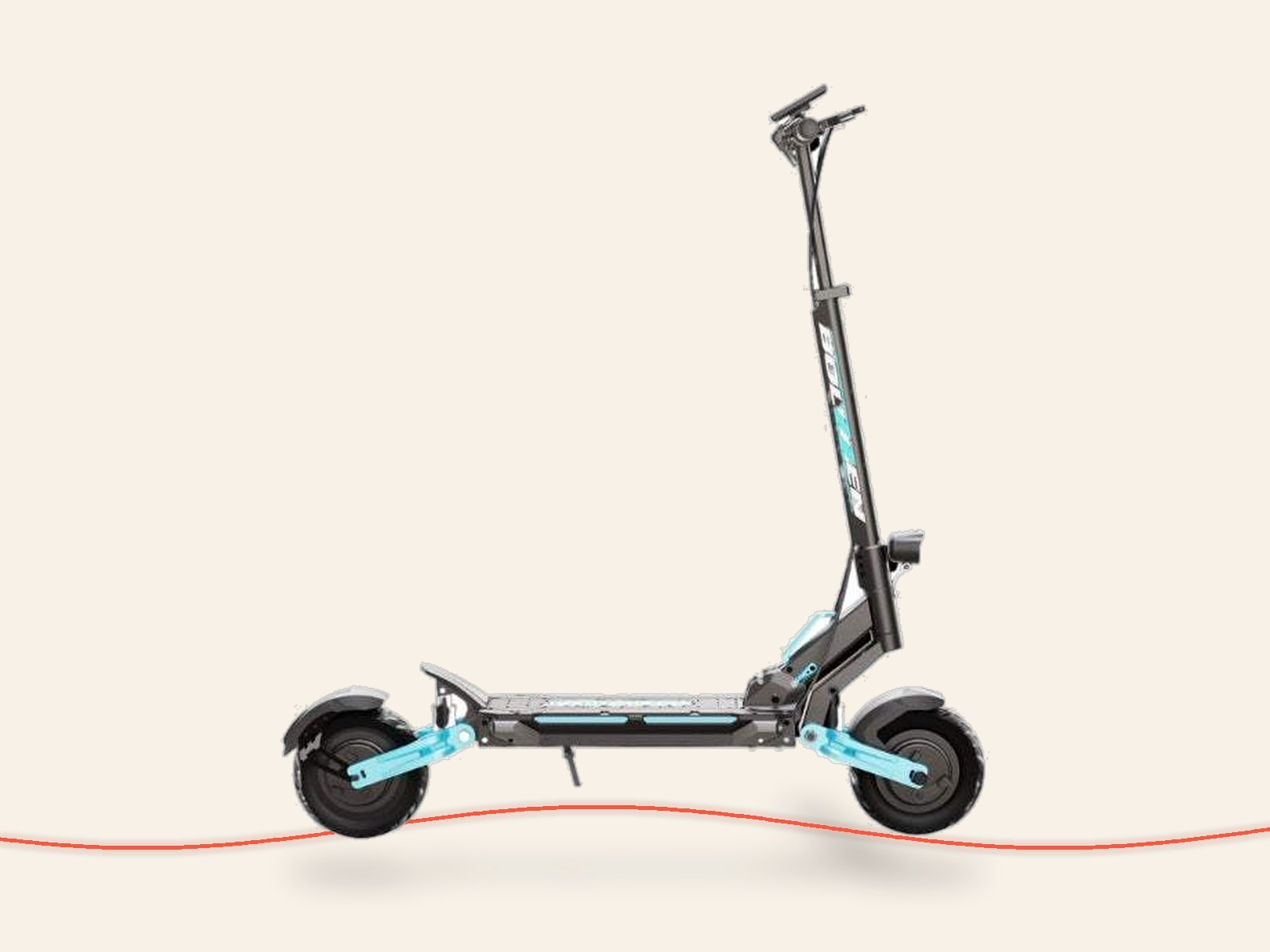 Commuter
Compare the shortlist
Range estimates are ScootFinder estimates unless a tested result is explicitly labelled. Claimed range is the manufacturer's published best-case figure.
| Model | Dated price, AUD | Range, Estimated | Range, Claimed | Weight | Payload | Top speed | Legal class |
|---|---|---|---|---|---|---|---|
| Mukuta 10+ 21Ah | $2,299 | 55 km | 80 km | 36 kg | 135 kg | 80 km/h | 25 km/h capable |
| VSETT 9 APEX | $2,294 | 45 km | 65 km | 30 kg | 120 kg | 44 km/h | 25 km/h capable |
| Bolzzen Phoenix 5223 | $2,299 | 60 km | 80 km | 31 kg | 135 kg | 65 km/h | 25 km/h capable |
| VSETT 8 APEX | $2,199 | 42 km | 60 km | 28 kg | 130 kg | 44 km/h | 25 km/h capable |
| Segway GT3 | $2,899 | 51 km | 73 km | 39.5 kg | 150 kg | 50 km/h | 25 km/h capable |
| Bolzzen SuperStreet 4816 | $1,499 | 45 km | 60 km | 24.5 kg | 100 kg | 53 km/h | 25 km/h capable |
Why each model made the list
Mukuta 10+ 21Ah
- Why shortlist it
- Dual hydraulic brakes, all-terrain tyres and a listed 25 km/h restricted mode alongside serious off-road power.
- Trade-off
- At 36 kg it is heavy to carry, and full 80 km/h performance and long charge times of 10 to 12 hours are private property only.
VSETT 9 APEX
- Why shortlist it
- Hydraulic disc brakes and pneumatic tyres over the entry 8 APEX, with strong single-motor claimed range.
- Trade-off
- The 65 km claimed range applies to single-motor eco riding; battery Wh is not separately published.
Bolzzen Phoenix 5223
- Why shortlist it
- Hydraulic disc brakes, oil coilover suspension and a strong 80 km claimed range for a dual motor scooter.
- Trade-off
- At 31 kg it is heavier to carry than Bolzzen's other models, and the 65 km/h mode is private property use only.
VSETT 8 APEX
- Why shortlist it
- Dual motor performance and adjustable-feel Spring-R suspension at Vsett's entry APEX price point.
- Trade-off
- Solid rather than pneumatic tyres trade some ride comfort for puncture resistance, and battery Wh is not published.
Segway GT3
- Why shortlist it
- Hydraulic front and rear suspension and hydraulic disc brakes in a single motor superscooter.
- Trade-off
- Heavy at 39.5 kg and, when unlocked past 25 km/h, a private land device in Australia. Stock is currently pre-order at the retailer checked.
Bolzzen SuperStreet 4816
- Why shortlist it
- Dual motor performance and a light 24.5 kg fold at a mid commuter price point.
- Trade-off
- Drum brakes rather than disc, and a lower 100 kg max rider weight than the Hustler or Phoenix.
On the flat, almost any scooter feels fine. Point it up an 8 percent grade with an average rider aboard and the difference between 500 and 2,000 peak watts is the difference between 20 km/h and walking pace. Every model below has at least 1,000 W of peak power and can still be genuinely limited to 25 km/h, because climbing power and legal compliance are not the same axis: you want maximum torque, not maximum speed.
How we picked: ScootFinder does not do hands on testing. These picks come from manufacturer specifications, Australian retailer pricing as last checked by ScootFinder in October 2026, and each state's road rules, using only models that are current and carry a real Australian price. Range figures are realistic real world estimates, not lab claims. Prices move quickly, so always confirm with the retailer.
The picks
Mukuta 10+ 21Ah
$2,299 | 55 km real world (est.) | 36 kg | 80 km/h unrestricted | 25 km/h capable
Dual hydraulic brakes, all-terrain tyres and a listed 25 km/h restricted mode alongside serious off-road power. The trade off: at 36 kg it is heavy to carry, and full 80 km/h performance and long charge times of 10 to 12 hours are private property only.
VSETT 9 APEX
$2,699 | 45 km real world (est.) | 30 kg | 44 km/h unrestricted | 25 km/h capable
Hydraulic disc brakes and pneumatic tyres over the entry 8 APEX, with strong single-motor claimed range. The trade off: the 65 km claimed range applies to single-motor eco riding; battery Wh is not separately published.
Bolzzen Phoenix 5223
$2,299 (RRP $2,699) | 60 km real world (est.) | 31 kg | 65 km/h unrestricted | 25 km/h capable
Hydraulic disc brakes, oil coilover suspension and a strong 80 km claimed range for a dual motor scooter. The trade off: at 31 kg it is heavier to carry than Bolzzen's other models, and the 65 km/h mode is private property use only.
VSETT 8 APEX
$2,199 | 42 km real world (est.) | 28 kg | 44 km/h unrestricted | 25 km/h capable
Dual motor performance and adjustable-feel Spring-R suspension at Vsett's entry APEX price point. The trade off: solid rather than pneumatic tyres trade some ride comfort for puncture resistance, and battery Wh is not published.
Segway GT3
$2,899 (RRP $3,299) | 51 km real world (est.) | 39.5 kg | 50 km/h unrestricted | 25 km/h capable
Hydraulic front and rear suspension and hydraulic disc brakes in a single motor superscooter. The trade off: heavy at 39.5 kg and, when unlocked past 25 km/h, a private land device in Australia. Stock is currently pre-order at the retailer checked.
Bolzzen SuperStreet 4816
$1,499 (RRP $1,899) | 45 km real world (est.) | 24.5 kg | 53 km/h unrestricted | 25 km/h capable
Dual motor performance and a light 24.5 kg fold at a mid commuter price point. The trade off: drum brakes rather than disc, and a lower 100 kg max rider weight than the Hustler or Phoenix.
What to weigh up
Rider weight matters more on hills than anywhere else: if you are over 100 kg, treat our climbing expectations conservatively and prioritise peak wattage. Braking is the other half of hills, a long descent cooks weak brakes, so favour disc brakes plus regenerative braking. And note that hill climbing drains batteries roughly twice as fast as flat riding, so pair this list with the long range guide if your route is both hilly and long. Dual motor performance scooters climb hardest of all, but most cannot be limited to 25 km/h and are private land devices; see the legal class explainer.
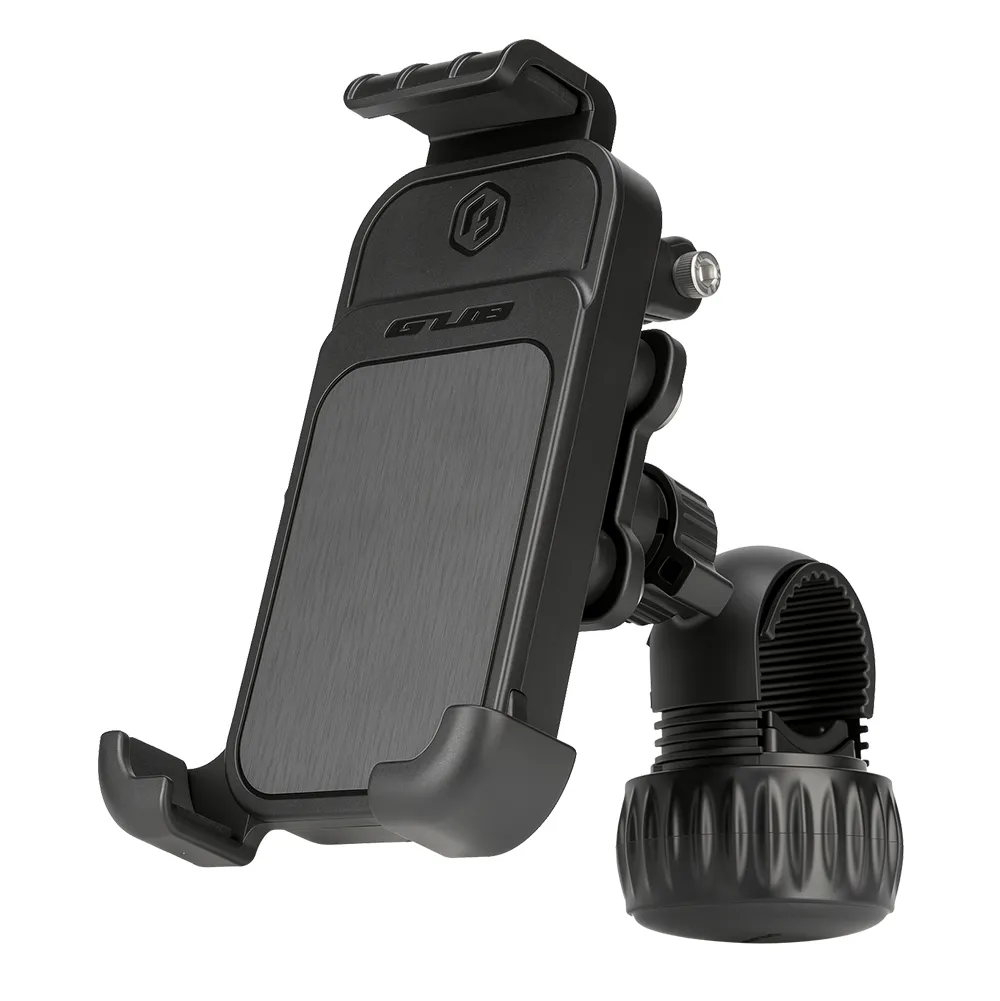
Phone mounts that fit e-scooter stems and bars and hold on over potholes and tram tracks. Ships from Australia, free shipping over $60.


Law updates, new models and buying guides for Australian e-scooter riders, straight to your inbox.
Every model here is current, carries a verified Australian price, and can be genuinely limited to the 25 km/h legal class. No discontinued stock, no lab range figures.
Frequently asked questions
How much power does an e-scooter need for hills?
For regular climbs at average rider weight, look for at least 1,000 W peak power. Steep sustained gradients or heavier riders push that toward 1,500 to 2,000 W peak.
Can legal e-scooters climb hills?
Yes. The 25 km/h legal class limits speed, not torque. A high torque scooter locked to 25 km/h climbs just as strongly, it simply cannot exceed the cap.
Do hills reduce range?
Substantially. Budget roughly double the battery consumption for hilly routes compared with flat ones, and check our real world range estimates rather than claimed figures.
Are dual motor scooters better for hills?
They climb hardest, but most dual motor performance scooters cannot be genuinely limited to 25 km/h, making them private land devices everywhere in Australia. The single motor, high torque models above keep you legal.
Sources
- ScootFinder directory data, verified against Australian retailer listings (checked 23 Aug 2026)