
E-scooter battery care and fire safety
Lithium-ion battery fires linked to e-bikes and e-scooters have become a genuine, growing risk in Australia, and most of them trace back to a small set of avoidable causes: cheap or counterfeit batteries, mismatched chargers, and unsafe charging spots. Here's what Australia's fire services actually recommend, and what's changed in the law.
Last reviewed 16 Jul 2026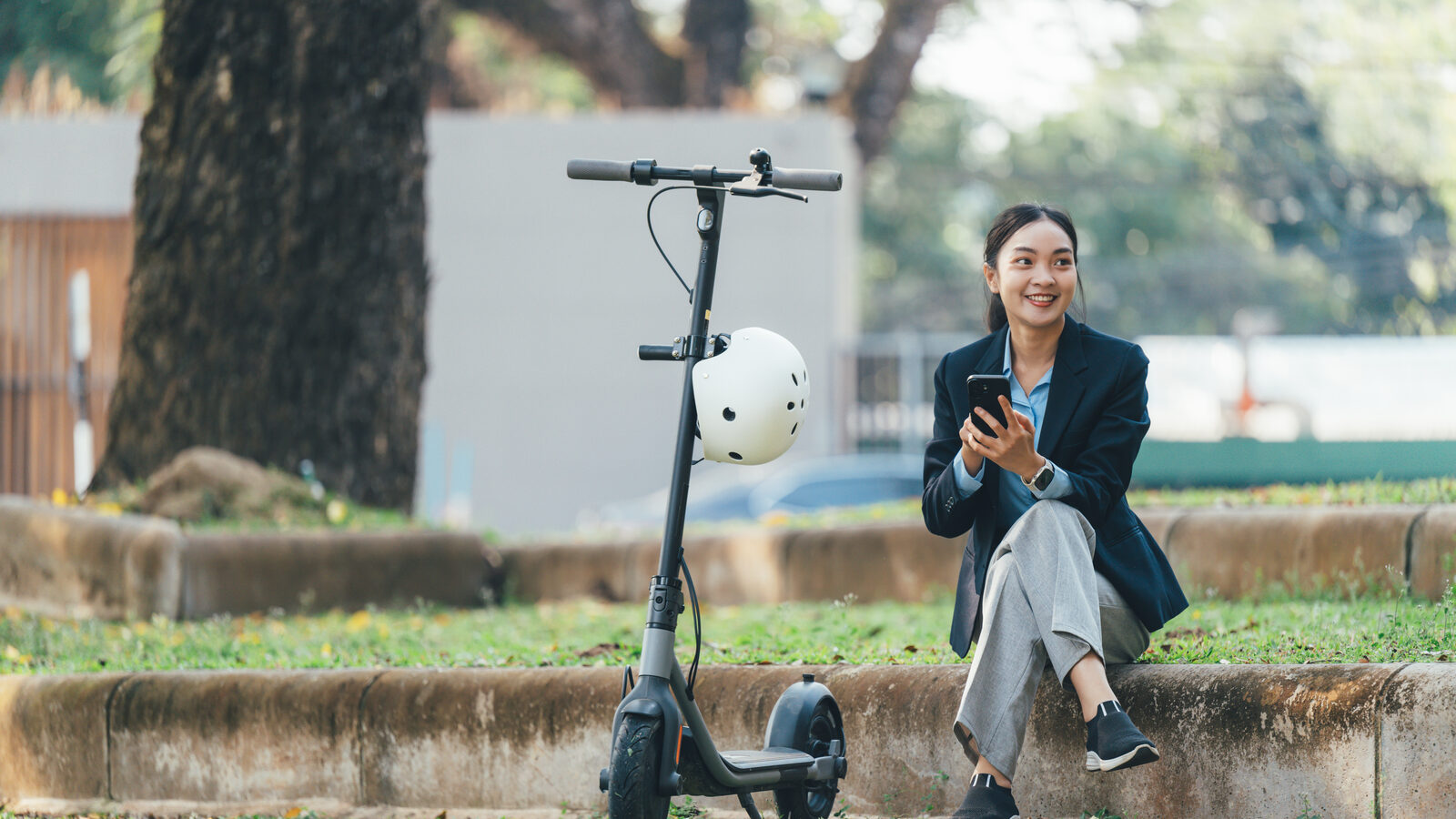
A parked electric scooter on grass, with its owner sitting nearby. Photo for illustration.
Key points
- Fire and Rescue NSW attended 193 e-micromobility fires between 2022 and 2025, with the annual rate still climbing. Western Australia recorded 166 lithium battery fires in 2024, its worst year on record.
- Most fires trace back to cheap, uncertified or counterfeit batteries, mismatched or aftermarket chargers, physical damage, overcharging, or charging in unsafe locations, not to compliant devices used as intended.
- Since August 2024, e-bikes, e-scooters and their lithium-ion batteries have been declared electrical articles in NSW, meaning they must meet mandatory safety standards to be legally sold, enforced from February 2025.
- Fire and Rescue NSW's core advice: charge in an open, ventilated space away from exits, never overnight or unattended, and only use the charger that came with your device.
- Heat is a bigger everyday risk for Australian owners than almost anything else, avoid charging or storing a battery in direct sun, a hot garage or a parked car.
E-scooters are a genuinely low-risk way to get around when the battery inside them is treated properly. The fires that make the news almost always come back to the same handful of preventable causes, and Australia's fire services have been consistent about what those are.
The scale of it
Fire and Rescue NSW has described lithium-ion batteries as the fastest growing fire risk in the state, recording 193 e-micromobility fires between 2022 and 2025, with the rate still climbing year on year. Western Australia's fire and emergency services recorded 166 lithium battery fires in 2024 alone, its worst year on record, with e-rideables, e-bikes, e-scooters and self-balancing scooters cited as a leading ignition source. This isn't a rare, freak occurrence, it's a known and rising pattern, which is exactly why proper charging and storage habits matter.
What actually causes these fires
According to Fire and Rescue NSW, the common threads are cheap, uncertified or counterfeit batteries, using the wrong charger, modifying a device with mismatched or aftermarket parts, physical damage to the battery, overcharging, and charging or storing devices in unsafe locations such as on beds, sofas or in escape routes. Notably, this is largely about the battery and how it's treated, not an inherent flaw in e-scooters as a category.
A new legal safety net in NSW
Since August 2024, e-bikes, e-scooters, e-skateboards, self-balancing scooters and the lithium-ion batteries that power them have been declared electrical articles under NSW's Gas and Electricity (Consumer Safety) Act 2017. That means they must comply with mandatory safety standards before they can be legally sold in the state, a requirement enforced from February 2025, with penalties of up to $825,000 for sellers of non-compliant products. If you're buying in NSW, that's an extra layer of protection built into what's legally allowed on shelves, on top of choosing a reputable brand yourself.
Charging and storage, the practical version
Fire and Rescue NSW's guidance boils down to a short, consistent list:
- Charge in an open, ventilated area like a garage or shed, not a bedroom or living space, and not near an exit.
- Don't charge overnight while you're asleep, or while you're away from home.
- Only use the charger that came with your scooter or battery. A mismatched voltage or current can damage the cells and cause overheating.
- Don't charge or store the battery on a combustible or insulating surface such as a bed, sofa or carpet, and keep it away from flammable materials like bedding, clothing and paper.
- Avoid direct sun, a hot garage or a parked car, heat accelerates both the everyday wear on a battery and the risk of a fault turning into a fire.
- Don't keep a damaged, swollen or visibly faulty battery in use, or store it indoors, have it assessed by the manufacturer or an authorised service centre.
See how long e-scooter batteries actually last for how charging habits also affect a battery's everyday lifespan, not just its safety.
Buying with safety in mind
Stick to the manufacturer's own charger and, if you ever need a replacement battery, source it through the manufacturer or an authorised Australian retailer rather than a third party or overseas seller. Every scooter in ScootFinder's verified catalogue is sold through an official Australian distributor with a manufacturer-supplied charger, that's worth checking for any scooter you're considering that isn't.
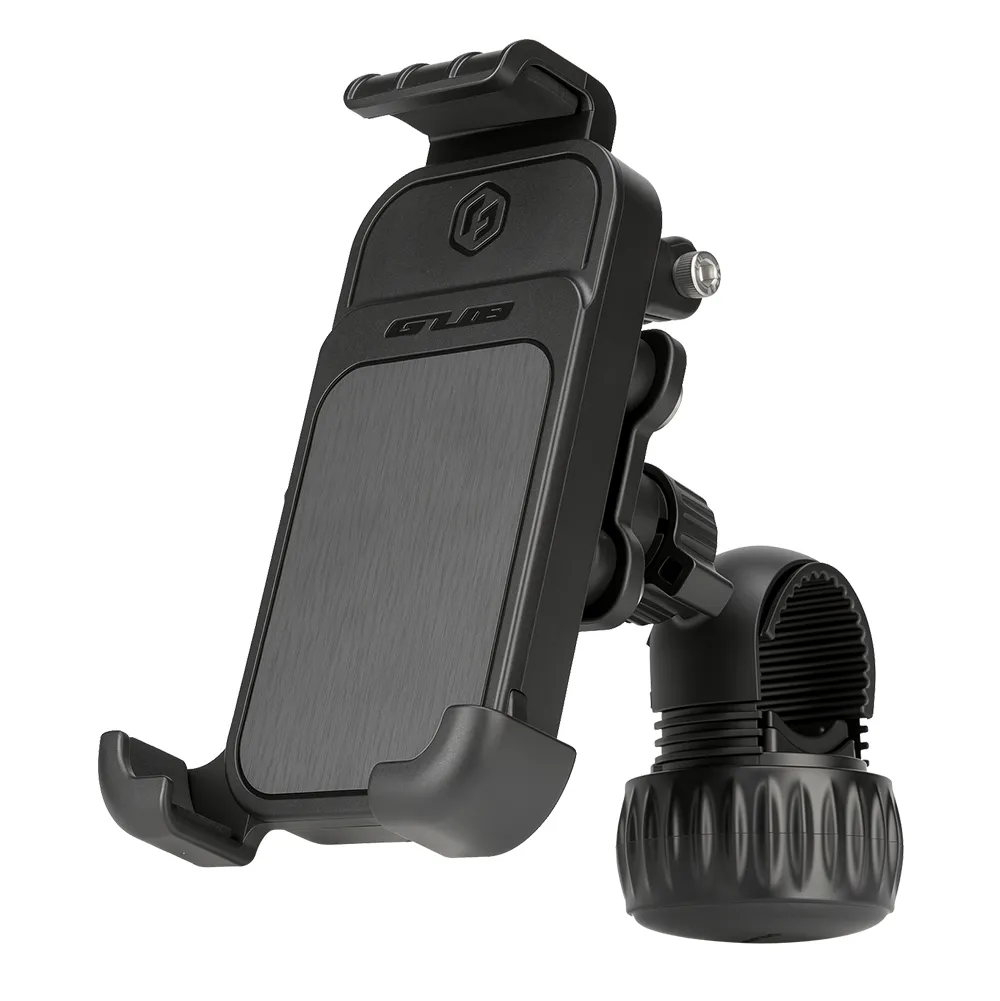
Phone mounts that fit e-scooter stems and bars and hold on over potholes and tram tracks. Ships from Australia, free shipping over $60.


Law updates, new models and buying guides for Australian e-scooter riders, straight to your inbox.
Almost none of these fires start with a scooter being ridden, they start with a battery being charged somewhere it shouldn't be, with a charger that doesn't match it. Both of those are entirely within your control.
Frequently asked questions
How do I charge my e-scooter safely?
Charge in an open, ventilated area like a garage or shed rather than a bedroom or living space, away from exits. Don't charge overnight or while you're away from home, and only use the charger that came with your scooter.
Why do e-scooter batteries catch fire?
Fire and Rescue NSW points to a consistent set of causes: cheap, uncertified or counterfeit batteries, using the wrong charger, aftermarket or mismatched replacement parts, physical damage to the battery, overcharging, and charging or storing devices in unsafe spots.
Are e-scooter batteries required to meet safety standards in NSW?
Yes. Since August 2024, e-bikes, e-scooters, e-skateboards and their lithium-ion batteries have been declared electrical articles in NSW, meaning they must meet mandatory safety standards before they can be legally sold, enforced from February 2025. Sellers of non-compliant devices face penalties of up to $825,000.
Where should I store my e-scooter battery?
Somewhere cool, dry and ventilated, away from exits, direct sunlight and flammable materials like bedding or paper. Avoid leaving it in a hot car or a garden shed on a hot day.
Sources
- Fire and Rescue NSW: E-bike and e-scooter battery safety (checked 16 Jul 2026)
- Fire Rescue Victoria: Battery safety for consumers (checked 16 Jul 2026)
- DFES Western Australia: Lithium-ion batteries (checked 16 Jul 2026)
- NSW Government: New safety standards for lithium-ion batteries and e-micromobility devices (checked 16 Jul 2026)