NSW can now seize and crush illegal e-bikes, but does that apply to e-scooters?
NSW's headline-grabbing new powers to seize and crush illegal devices are about e-bikes and throttle e-motorbikes, not e-scooters. If you ride or are considering an e-scooter in NSW, here's exactly what this law does and doesn't cover, and where NSW's actual e-scooter rules currently stand.
Last reviewed 19 Jul 2026
Man wearing a helmet riding an electric scooter in a city street. Photo for illustration.
Key points
- The Road Transport Amendment (Non-registrable Motor Vehicles) Bill 2026 gives NSW Police and Transport Authorised Officers power to seize and crush illegal e-bikes and throttle-only e-motorbikes.
- The law targets devices that perform like a motorbike, throttle operation without pedalling above 6 km/h, excessive power, or modified speed limiters, not personal mobility devices like e-scooters.
- NSW is trialling three portable roadside "dyno" units, the first state to do so, to test whether an e-bike's motor keeps providing power beyond 25 km/h.
- E-scooters remain governed by NSW's separate PMD framework: private e-scooters are restricted to private property, with public riding available only through approved shared hire schemes in trial areas.
- If a device doesn't meet NSW's legal definition of a pedal-assisted e-bike, it can be seized and crushed even if bought in good faith, a real risk for parents buying online without checking.
What this law actually targets
The Road Transport Amendment (Non-registrable Motor Vehicles) Bill 2026, introduced to NSW parliament in March 2026, gives NSW Police and Transport Authorised Officers new powers to seize and crush illegal e-bikes. The target is specific: throttle-only, high-powered e-motorbikes being sold and ridden as if they were e-bikes, when they actually perform like unregistered motorbikes. NSW's own framing is direct: "if an e-bike is performing like a motorbike, it can be seized and crushed." The legislation is modelled on similar seize-and-crush laws already in place in Western Australia.
This sits alongside a wider set of NSW e-bike measures: reducing the e-bike power limit from 500 watts to 250 watts, enforcing the EN15194 pedal-assist standard already used in the rest of Australia, a minimum age limit for e-bike use, and new lithium-ion battery safety standards following fire risk concerns.
The roadside dyno units
NSW is also the first state to trial portable dyno testing units, three units funded with $100,000 from the Community Road Safety Fund, sourced from Europe where the technology is already used by law enforcement. A dyno tests how a bike's motor performs against resistance, letting police confirm on the spot whether the motor keeps providing power beyond the 25 km/h pedal-assist threshold, rather than relying on visual inspection alone. Devices found non-compliant at the roadside can now be seized and, under this legislation, ultimately crushed.
Where e-scooters fit in (they don't, here)
None of this extends to e-scooters. E-scooters are classified as personal mobility devices (PMDs) under a separate part of NSW's road rules framework, distinct from the pedal-assist and wattage definitions this bill uses to define a legal e-bike. NSW's current PMD framework is also more restrictive than several other states in a different way: private e-scooters are currently limited to private property, with public riding only available through council-approved shared hire schemes operating in specific trial areas, see our full state-by-state e-scooter law guide for the current picture. That's a genuinely different regulatory problem to the one this bill is solving, and the seize-and-crush powers introduced here are scoped to e-bikes and e-motorbikes, not PMDs.
For comparison, Queensland has taken a different path and does now apply seizure powers specifically to illegal personal mobility devices, alongside random breath testing for PMD riders, see our coverage of QLD's PMD seizure and breath testing powers. NSW hasn't announced an equivalent PMD-specific seizure power at this stage, this bill is squarely about e-bikes and e-motorbikes.
The practical takeaway
If you're in NSW and shopping for an e-bike, the message from the government is blunt: check before you buy, because a device that looks like an e-bike online can legally be an unregistered motorbike, and buying one in good faith doesn't protect it from seizure. If you're specifically looking at an e-scooter rather than an e-bike, this law doesn't change your situation, NSW's existing PMD rules (private use restricted to property, public riding via approved hire schemes) are the ones that actually apply, see our comparison of electric scooters vs electric bikes for commuting if you're weighing up which device actually suits what you need.
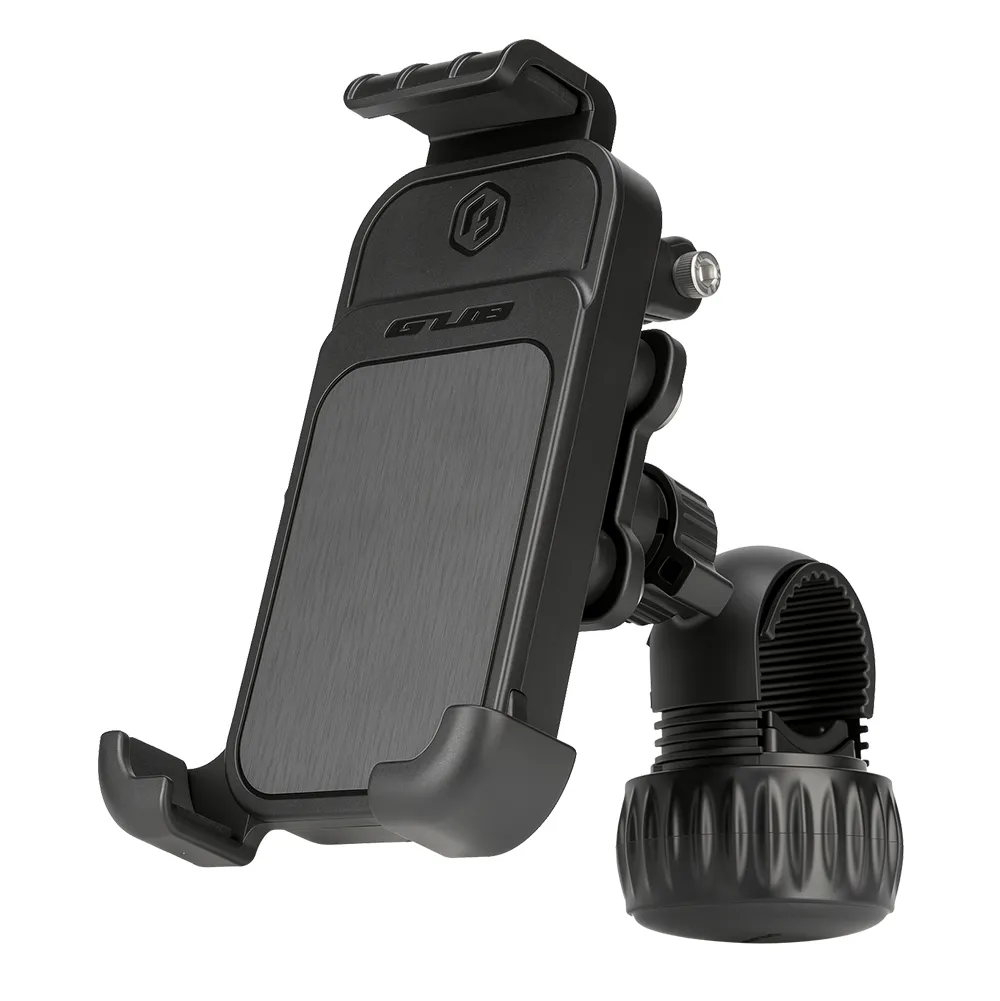
Phone mounts that fit e-scooter stems and bars and hold on over potholes and tram tracks. Ships from Australia, free shipping over $60.


Law updates, new models and buying guides for Australian e-scooter riders, straight to your inbox.
NSW's own message is blunt and specifically about e-bikes: "if it behaves like a motorbike, it's probably illegal and could end up in the crusher." That's a genuinely different problem to the one facing e-scooter riders in NSW, whose current restrictions are about where a PMD can legally be ridden, not whether the device itself is secretly a disguised motorbike.
Frequently asked questions
What does NSW's new e-bike crush law actually cover?
The Road Transport Amendment (Non-registrable Motor Vehicles) Bill 2026 targets throttle-only, high-powered e-motorbikes marketed and ridden as e-bikes.
Can NSW seize and crush an e-scooter?
Not under this specific law. E-scooters are PMDs regulated under a separate NSW framework; this bill doesn't extend seize-and-crush powers to them.
What is a NSW roadside dyno test?
A portable device testing an e-bike's motor against resistance to confirm whether it keeps providing power beyond 25 km/h. NSW is trialling three units, the first state to do so.
What are NSW's current e-scooter rules?
Private e-scooters are currently restricted to private property, with public riding only via approved shared hire schemes in trial areas.
Sources
- NSW Government: E-bike seizure and crushing powers to become law (checked 19 Jul 2026)
- Transport for NSW: E-scooters (checked 19 Jul 2026)