
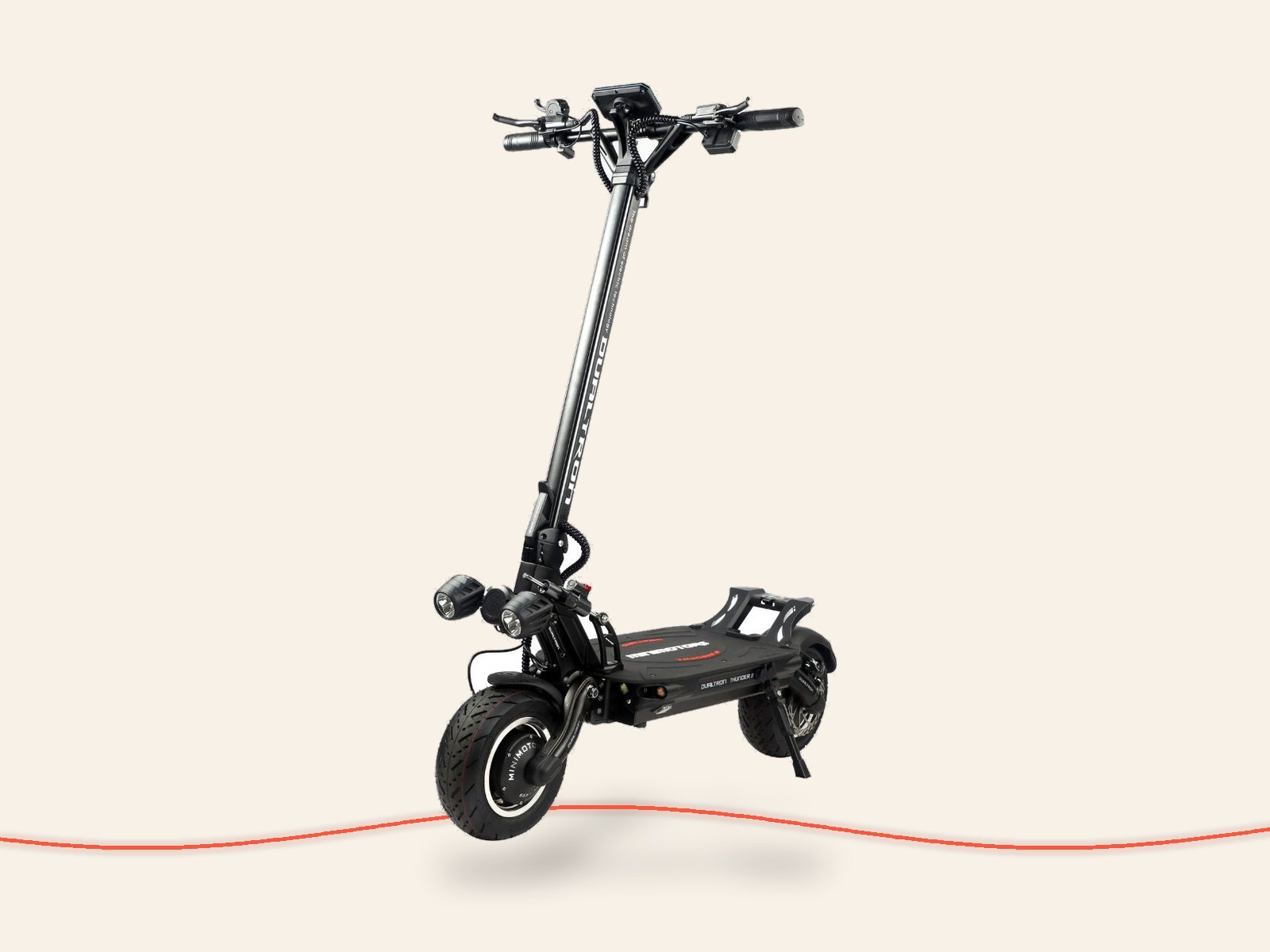
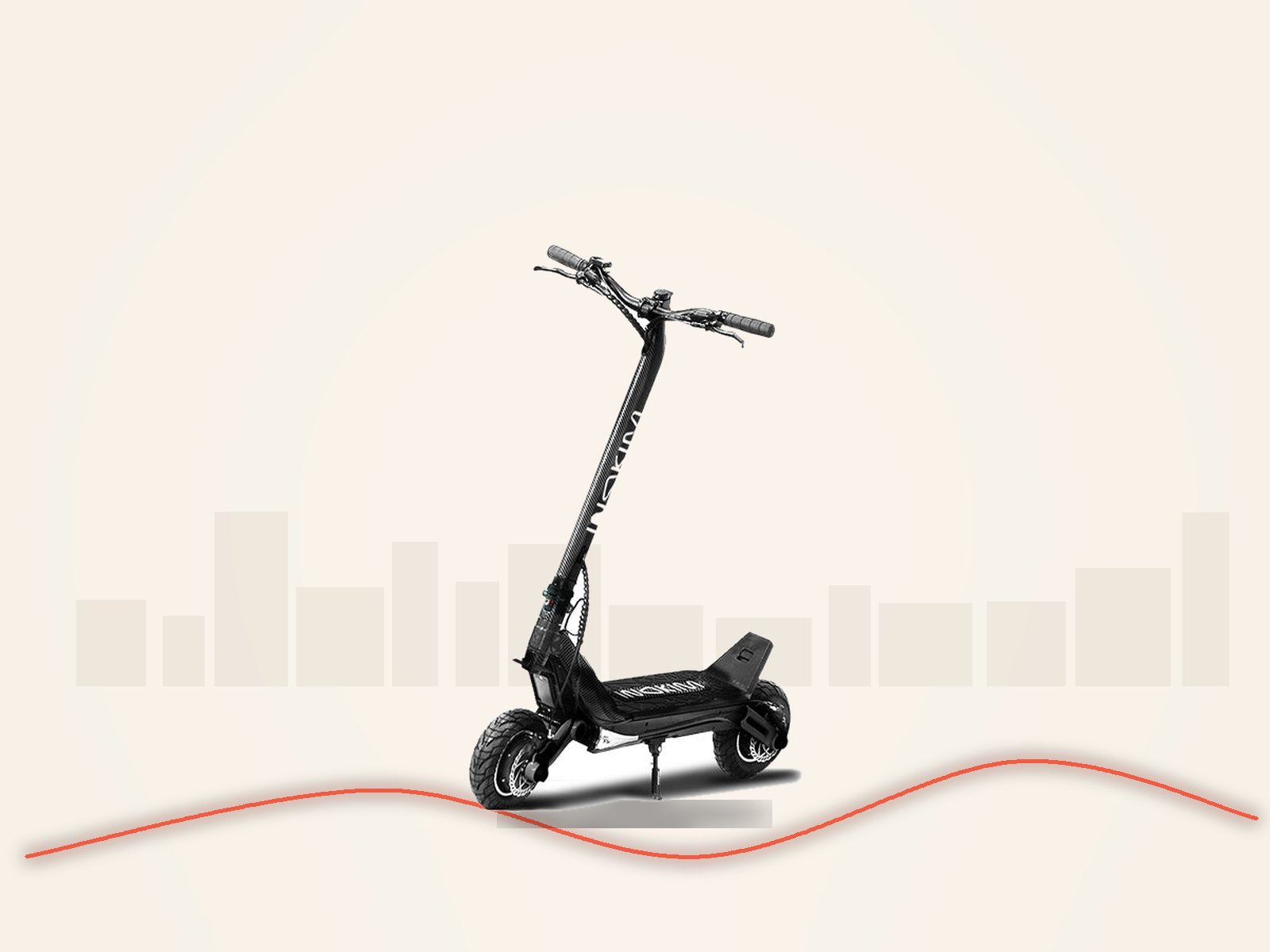
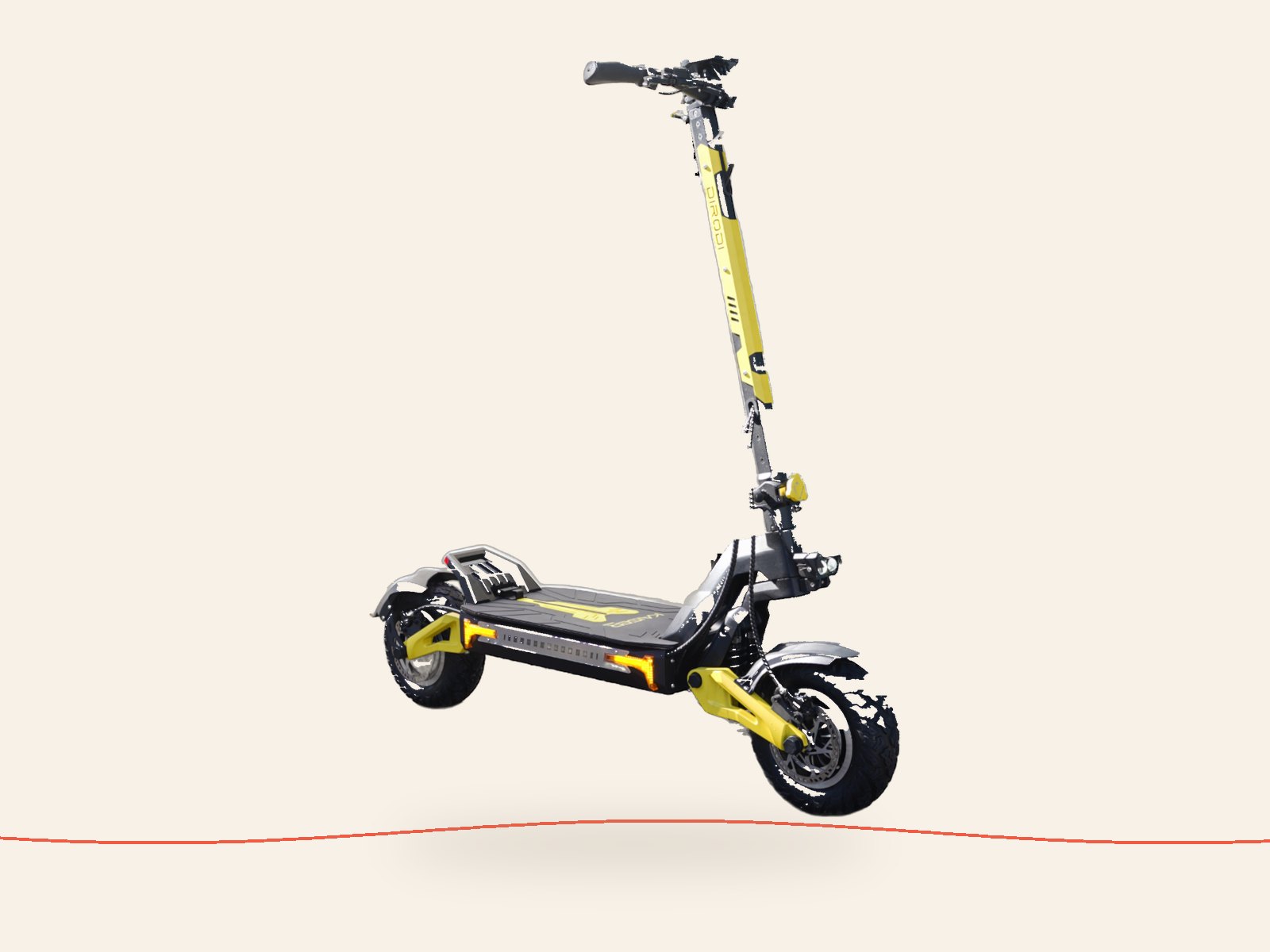
Dualtron Thunder 3
- Why shortlist it
- Massive claimed range, 4-piston hydraulic brakes and ultra-wide 11 inch tubeless tyres.
- Trade-off
- Very heavy at 47.3 kg, extremely expensive, and well outside the legal class at 100 km/h.
Understand claimed versus real-world electric scooter range, the factors that reduce it, and live examples from Australian models.
For normal riding, a useful planning estimate is often 60 to 75 percent of a best-case manufacturer claim. The exact result changes with rider and cargo weight, speed, hills, wind, tyre pressure, temperature and battery age.
The live examples below show both the manufacturer claim and ScootFinder's estimated real-world figure. They are estimates based on researched specifications, not a claim that every scooter has been physically range-tested.
PerformanceNew
PerformanceNew
Performance
Commuter
Off Road
CommuterRange estimates are ScootFinder estimates unless a tested result is explicitly labelled. Claimed range is the manufacturer's published best-case figure.
| Model | Price | Real range estimate | Claimed range | Weight | Payload | Top speed | Legal class |
|---|---|---|---|---|---|---|---|
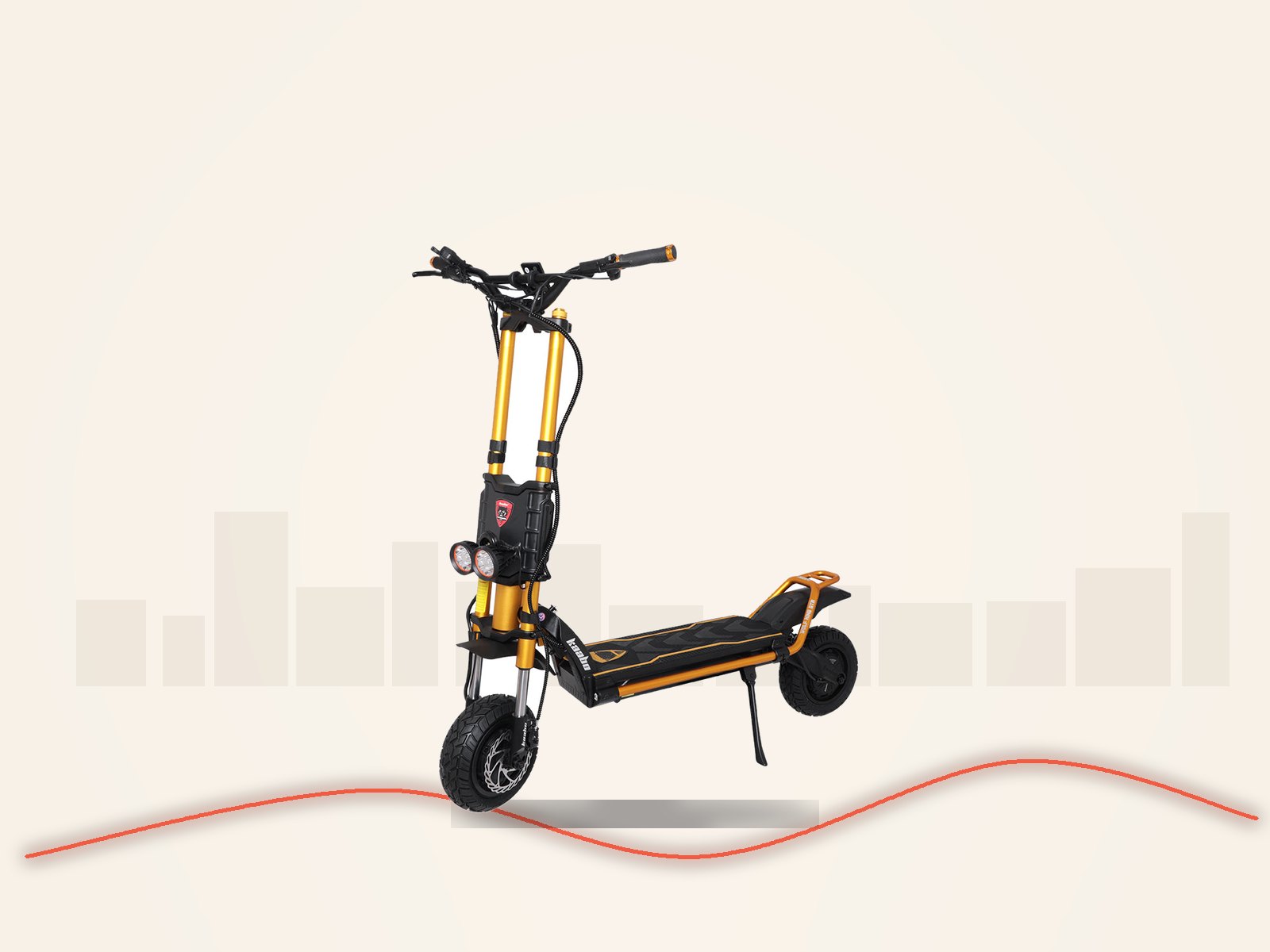
| Dualtron Thunder 3 | $7,499 | 119 km | 170 km | 47.3 kg | 120 kg | 100 km/h | Private land |
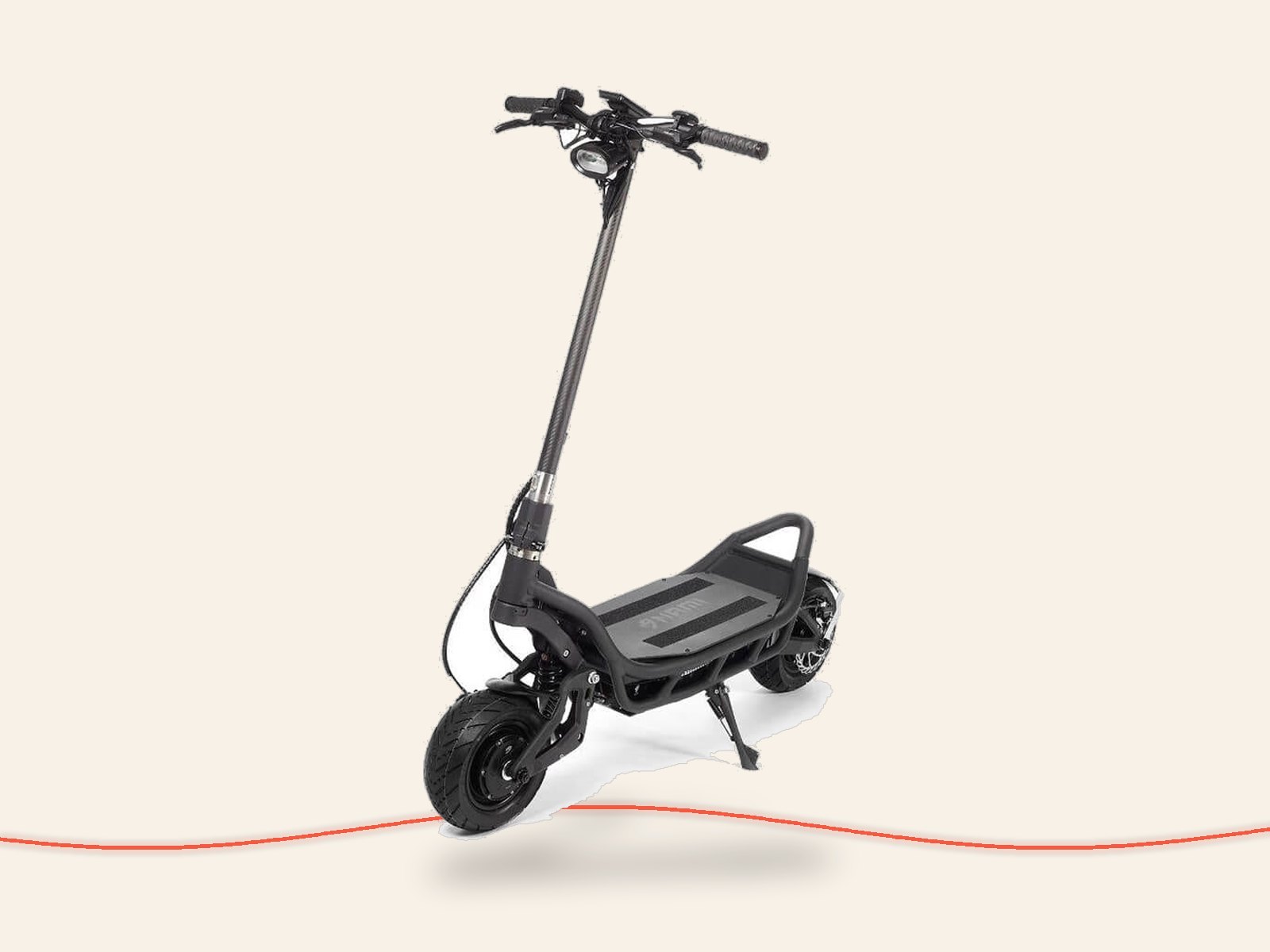
| NAMI Burn-E Viper Max (40Ah) | $5,199 | 105 km | 150 km | 47 kg | 150 kg | 90 km/h | Private land |
| Inokim OXO | $2,899 | 80 km | 110 km | 40 kg | 120 kg | 65 km/h | Private land |
| Mearth RS Pro | $1,399 | 70 km | 100 km | 23 kg | 100 kg | 40 km/h | 25 km/h capable |
| Mearth GTS Max | $2,799 | 70 km | 100 km | 41 kg | 150 kg | 70 km/h | Private land |
| Inmotion S1 | $1,099 | 65 km | 95 km | 24 kg | 140 kg | 30 km/h | 25 km/h capable |
ScootFinder stores claimed range and a separate realistic estimate where enough source data is available. We never relabel an estimate as a tested result.
A legal-class-capable label only describes the device. It does not override where, how fast or by whom it may be ridden. Check the current official rule for your jurisdiction before buying or riding.
Manufacturer tests typically use controlled speeds, flat surfaces, light loads and favourable temperatures. Real trips add stops, hills, wind and varying rider weight.
At least 20 percent is sensible for a new scooter, with more margin for hills, winter riding, heavier loads or an ageing battery.
Yes. Aerodynamic drag rises quickly with speed, and repeated hard acceleration also consumes more energy.
Yes. Lithium-ion batteries gradually lose usable capacity with charge cycles, age, heat and storage conditions.