
Buying vs renting an e-scooter: the real cost, long-term
Buying moves the bill from each ride to purchase, parts, repairs and storage. Compare your actual hire app quote with a delivered purchase quote, then allow for parts availability. There is no reliable universal two-month payback claim.
Last reviewed 17 Oct 2026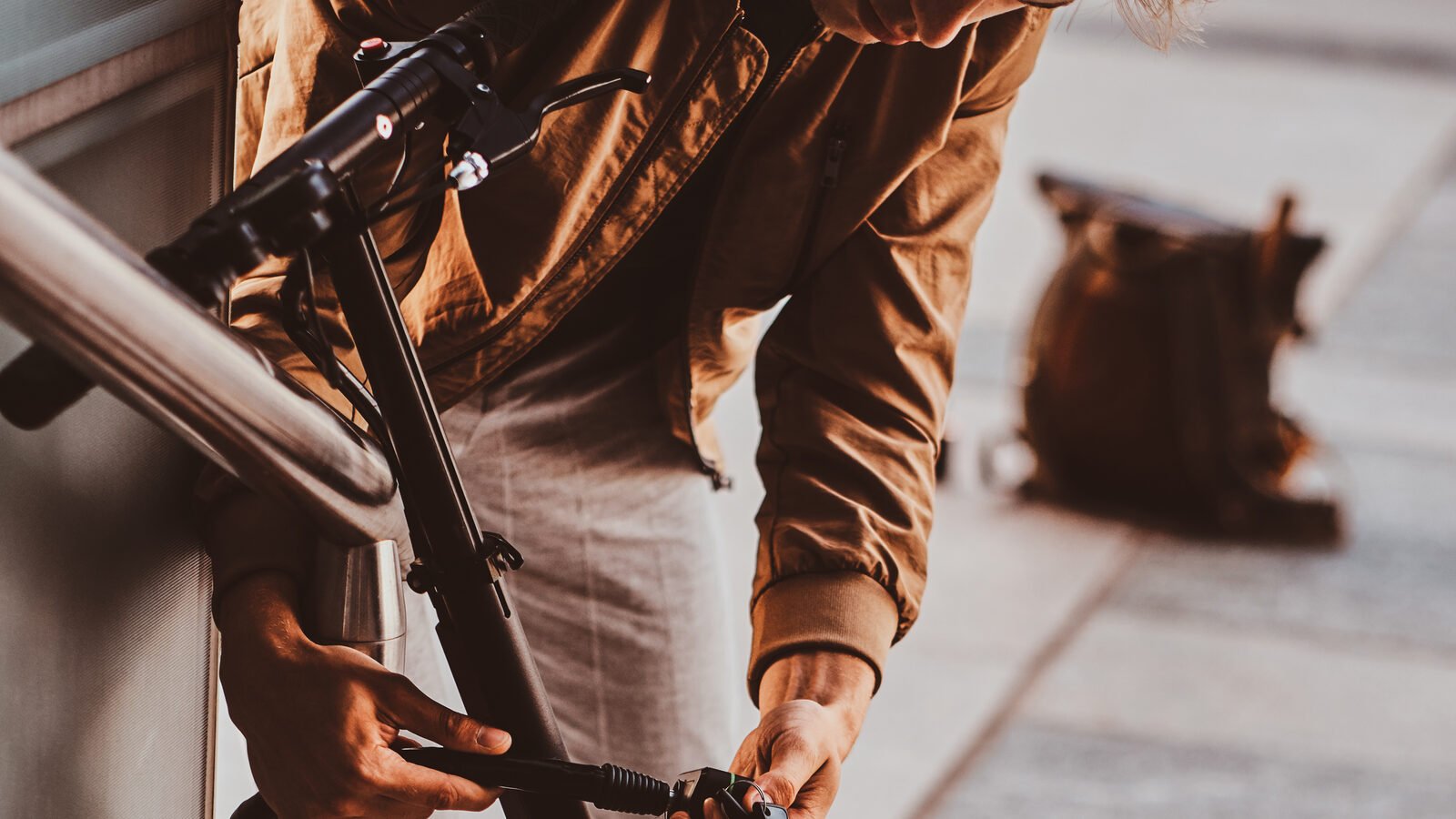
A person locking up an electric scooter in an urban area. Photo for illustration.
Key points
- Use a delivered purchase price and your own hire app quote; promotions and city pricing change the result.
- The checked tyre prices are parts-only advertised AUD prices, not fitted service quotes or expected annual costs.
- Replacement battery, labour, freight, security and downtime still need an exact-model quote.
Ownership comparison: MAX G2 and MAX G3 tyre budgets
Segway's Australian parts pages checked 17 October 2026 list the following distinct components. The parts portal is linked from Segway Australia's official store. Match the part number and exact scooter before ordering; these tyres are not presented as interchangeable.
| Model and exact listed part | Advertised AUD, tax included | Observed order status |
|---|---|---|
| MAX G2 front tyre, 60/70-6.9, AB.05.15.00.0037 | $101.64 | Sold out |
| MAX G3 Jelly Vacuum tyre, 70/60-7.5, CB.05.09.0029.00 | $91.39 | Contact to Order; not confirmed in stock |
The listed difference is $10.25 for one component, before freight and fitting. It does not establish lower lifetime maintenance cost, a wear interval, equal labour or current availability. The G3 page's URL contains an old C2 Lite label: its visible product title, size and part number identify this G3 listing. Verify the part number rather than relying on the URL wording.
Hire versus ownership: use a worksheet, not a payback promise
Hire cost = trips x (unlock fee + minutes x minute rate), after any pass or promotion. Enter the current quote from your city's app. An illustrative $1 unlock plus $0.50 per minute for 15 minutes is $8.50 a trip; these are assumptions, not verified current operator rates.
Ownership cost over the same period = delivered scooter price + helmet and lock + electricity + servicing and parts + any insurance or storage + financing costs, less realistic resale proceeds. Do not assume battery replacement or repair labour is negligible. The hire comparison also needs equivalent routes, weather and lawful access for a private device.
Two quotes that make a shortlist useful
For either MAX model, obtain the fitted tyre and brake service price and a compatible replacement battery quote, including freight, labour, lead time and warranty. No such fitted or battery quote is verified here, so this guide does not invent a complete annual ownership figure. A $30 mains cable is not a replacement charger; compare the full component you actually need.
Use the separate Xiaomi 6 Lite versus F3 Pro charging calculation for a second source-backed ownership comparison. It states the tariff and loss assumptions instead of calling an energy estimate a measured running cost. See MAX G3 versus MAX G2 for the buying trade-offs, and the model pages for dated seller offers.
When hire can still be the better fit
Occasional use, no secure storage, uncertain repair access or a route restricted to authorised hire devices can favour hiring. Frequent riding can favour ownership, but use your own totals and quote dates. Neither option wins solely because electricity costs cents.
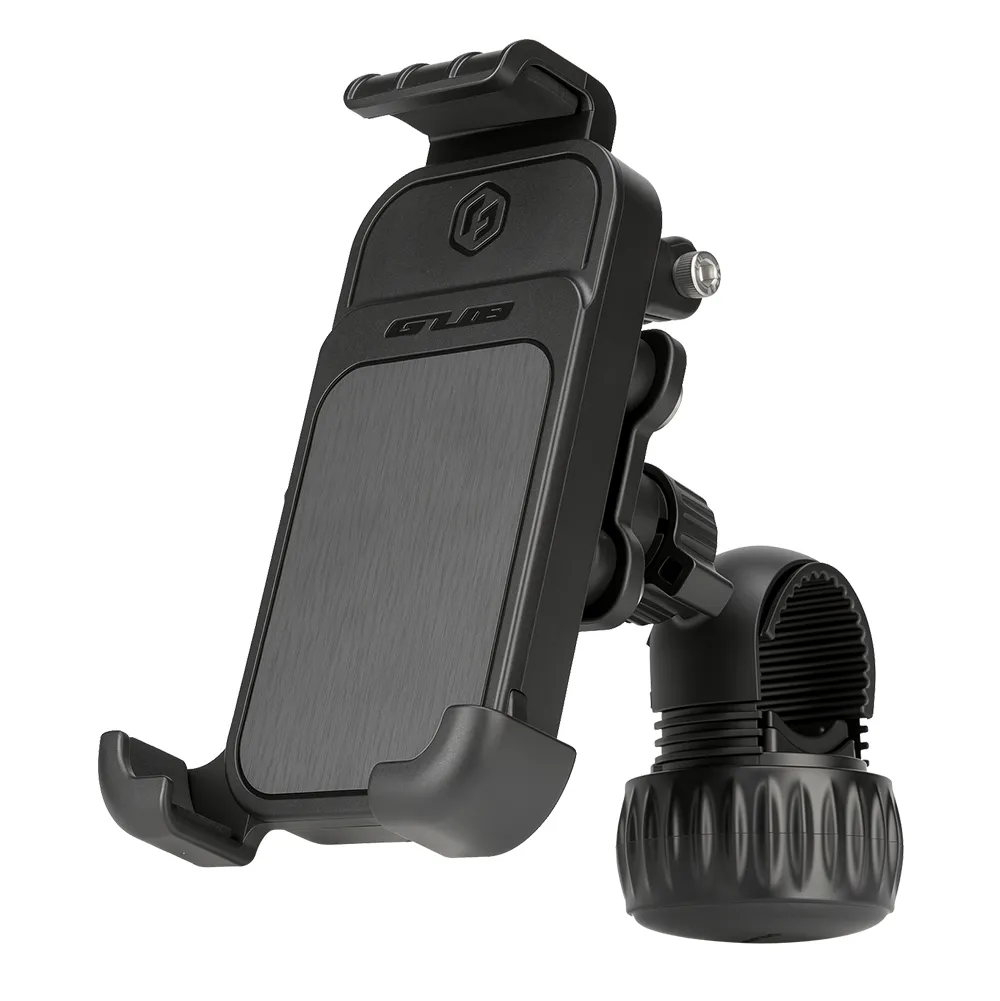
Phone mounts that fit e-scooter stems and bars and hold on over potholes and tram tracks. Ships from Australia, free shipping over $60.


Law updates, new models and buying guides for Australian e-scooter riders, straight to your inbox.
A lower parts price is not a saving if the exact compatible part is unavailable when you need it.
Frequently asked questions
Are the tyre prices fitted or delivered quotes?
No. They are advertised parts-only prices checked 17 October 2026. One listing was sold out and the other required contact to order. Freight, labour and exact compatibility require confirmation.
Does ownership pay for itself in two months?
There is no universal payback period. Compare the delivered purchase and ongoing costs with your actual hire prices and trip count; servicing, battery replacement and resale are uncertain.
Sources
- Segway AU parts: MAX G2 front tyre AB.05.15.00.0037 (checked 17 Oct 2026)
- Segway AU parts: MAX G3 tyre CB.05.09.0029.00 (checked 17 Oct 2026)