
How much does it cost to charge an electric scooter?
Your electricity bill and the exact battery capacity are more useful than a national average. This worked comparison uses the Australian Xiaomi 6 Lite and Segway F3 Pro, with every assumption shown. It is an energy calculation, not a charger-meter test or a total ownership quote.
Last reviewed 17 Oct 2026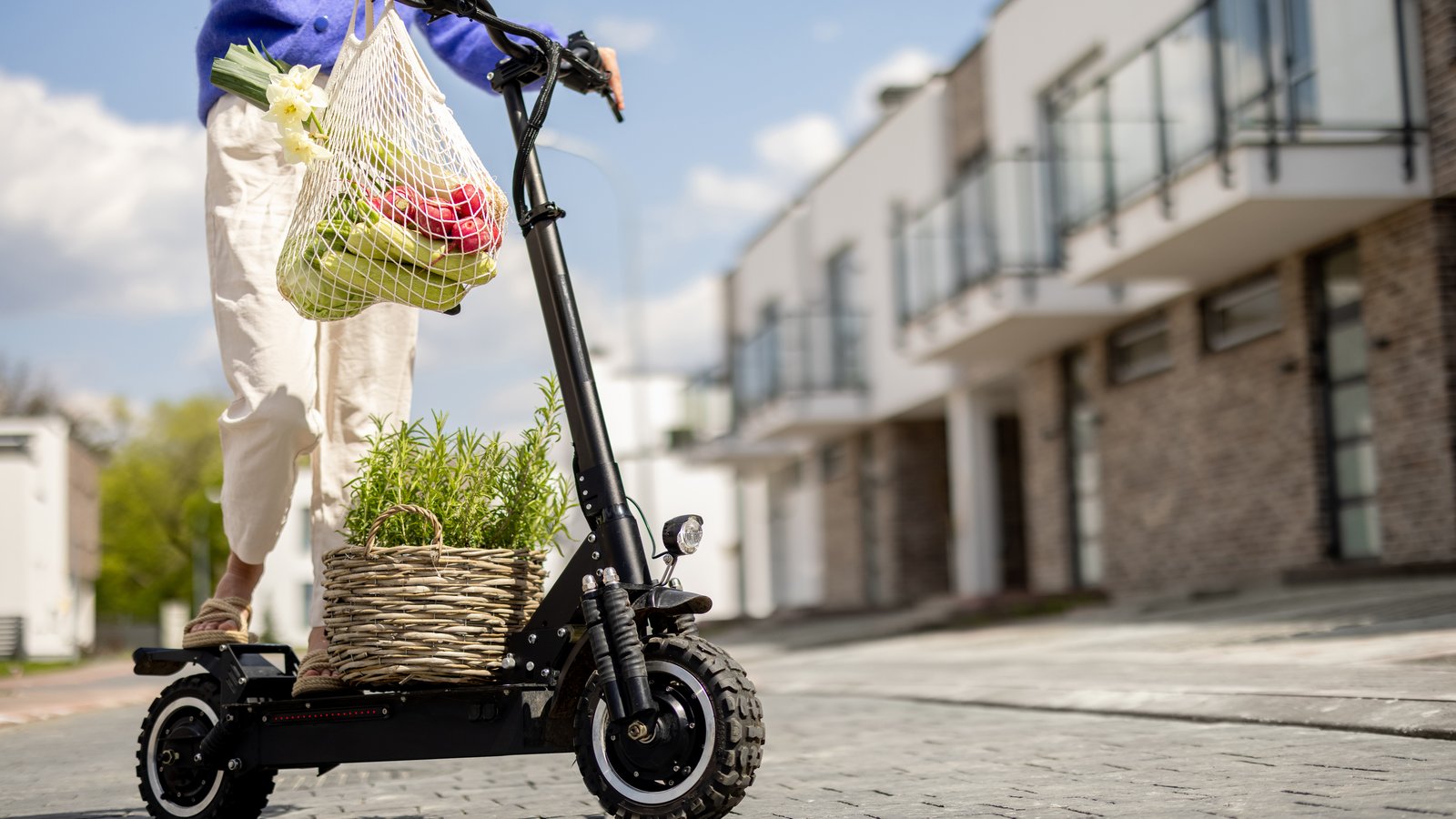
A person standing with an electric scooter carrying groceries in a woven basket. Photo for illustration.
Key points
- Formula: battery Wh / 1000 / charging efficiency x electricity price per kWh.
- The example tariff of $0.30/kWh and 85 percent efficiency are assumptions, not a current Australian average or a measured charger result.
- Compare the same trip before comparing running costs: a larger battery does not automatically use more electricity per kilometre.
Compare two Australian battery sizes
Xiaomi Australia publishes 216 Wh for the Electric Scooter 6 Lite; Segway Australia publishes 477 Wh for the F3 Pro. Sources checked 17 October 2026. These are nominal battery energy specifications, not readings from a wall meter.
| Model | Published battery | Example empty-to-full energy cost | 250 full-equivalent charges, example only |
|---|---|---|---|
| Xiaomi Electric Scooter 6 Lite | 216 Wh | $0.08 | $19.06 |
| Segway F3 Pro | 477 Wh | $0.17 | $42.09 |
All calculated costs assume $0.30 per kWh and 85 percent charging efficiency. Values are rounded to cents after calculation. The 250-charge column is an assumed usage scenario, not a prediction of your annual riding or battery life. Part charging uses less energy; standby draw and household fixed supply charges are excluded.
Put your own bill into the formula
Cost in dollars = battery Wh / 1000 / efficiency x tariff in dollars per kWh. For the 216 Wh example: 0.216 / 0.85 x 0.30 = about $0.08. For 477 Wh: 0.477 / 0.85 x 0.30 = about $0.17. If your tariff doubles, this calculated cost doubles. Use the tariff at the time you actually charge, including time-of-use periods; solar charging may have a forgone feed-in value.
Why this does not choose the cheaper commuter
A full charge of a larger battery buys a different amount of riding. To compare cost per kilometre, measure wall energy and distance on equivalent routes with the same load and conditions. ScootFinder has not performed that test. Manufacturer range claims and our catalogue estimates cannot establish measured electrical efficiency.
Budget for the parts as well
A tyre, brake repair or battery replacement can matter more than a small electricity difference. Use our ownership and hire cost worksheet for dated tyre examples and the costs still requiring a quote. Compare 6 Lite and F3 Pro specifications for carrying, payload and your actual trip before choosing.
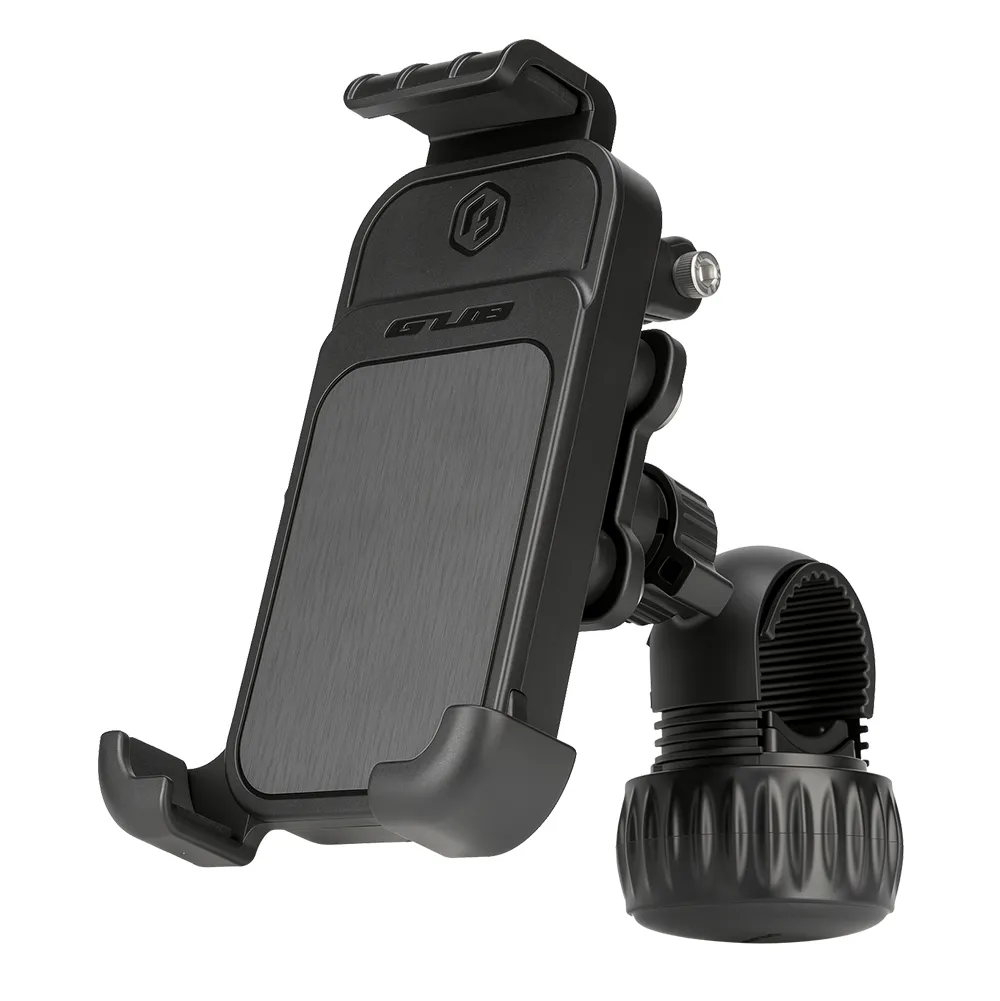
Phone mounts that fit e-scooter stems and bars and hold on over potholes and tram tracks. Ships from Australia, free shipping over $60.


Law updates, new models and buying guides for Australian e-scooter riders, straight to your inbox.
Use your own cents per kWh. Battery capacity is not a measurement of energy drawn at the wall.
Frequently asked questions
Is $0.30/kWh the current Australian average?
No. It is an illustrative input. Use your own electricity tariff at the time you charge.
Has ScootFinder measured these charging costs?
No. These are calculations from published battery capacity, an assumed tariff and assumed efficiency. They are not wall-meter measurements.
Sources
- Xiaomi Australia 6 Lite battery specification (checked 17 Oct 2026)
- Segway Australia F3 Pro battery specification (checked 17 Oct 2026)