
Can you take an e-scooter on a plane?
Almost certainly not, and it's not a size problem, it's a battery problem. Most e-scooter batteries exceed the watt-hour ceiling Australia's aviation safety regulator allows in passenger baggage at all, and Virgin Australia bans e-scooters outright regardless of battery size.
Last reviewed 19 Jul 2026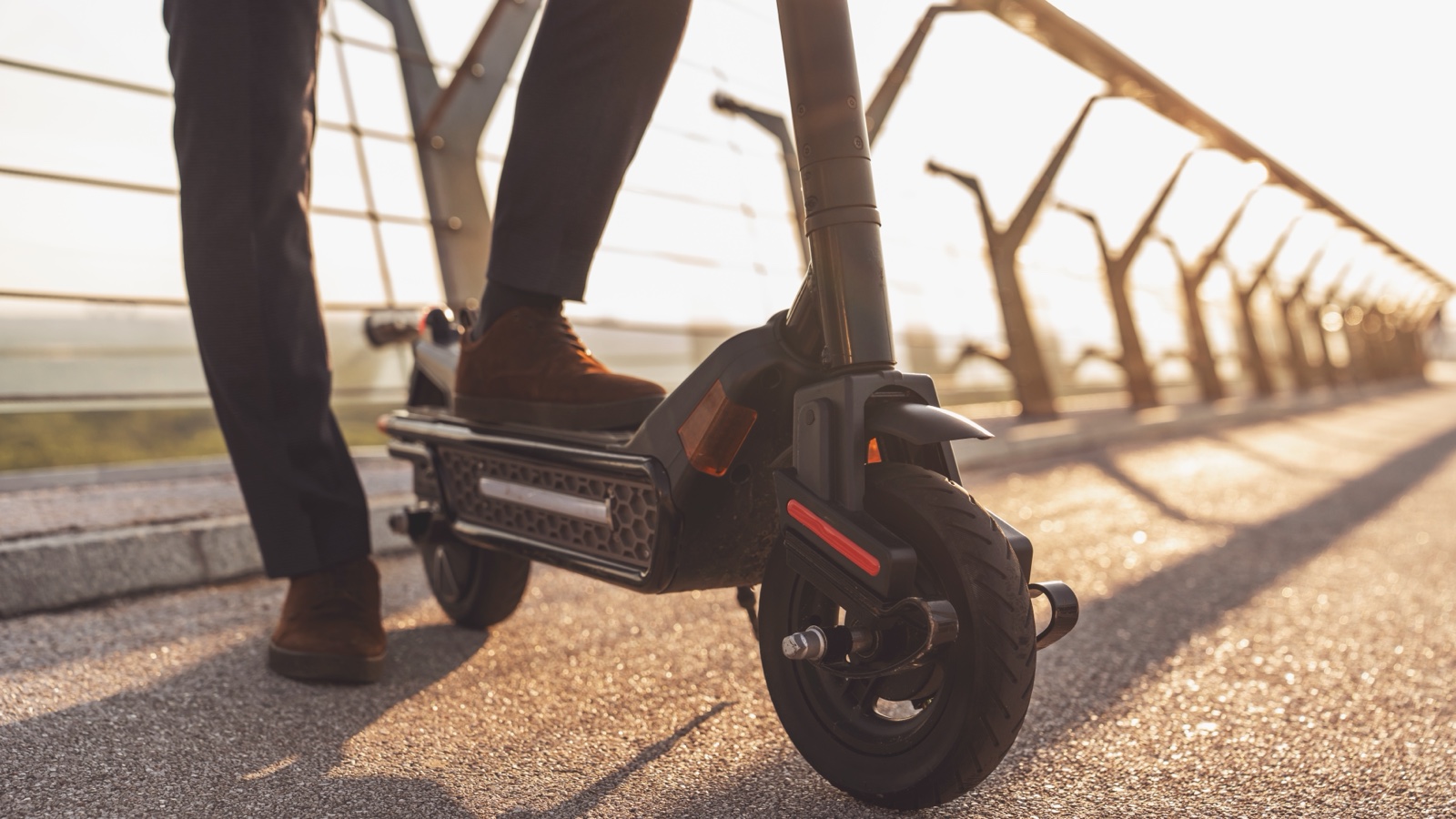
Close-up of an electric scooter's deck, backlit. Photo for illustration.
Key points
- CASA prohibits lithium-ion batteries over 160 watt-hours from passenger baggage entirely, except for genuine mobility aids.
- Most commuter and performance e-scooter batteries exceed 160Wh once you calculate amp-hours times voltage, ruling them out of both carry-on and checked baggage.
- Checked baggage has an even stricter limit: batteries must be 2.7Wh or less, or removed and carried in the cabin instead.
- Virgin Australia specifically states electric scooters that aren't mobility aids are not allowed at all, regardless of battery size.
- Qantas and Jetstar treat e-scooters similarly to skateboards and require direct contact with staff about any dangerous goods before travelling.
It's a watt-hour problem, not a size problem
The instinct is to think of an e-scooter as an oversized piece of luggage, too big to fit, maybe needs a case. The actual barrier is the lithium-ion battery inside it. CASA's rules set clear watt-hour thresholds: under 100Wh is generally fine for carry-on, 100 to 160Wh needs specific airline approval, and anything over 160Wh is prohibited in passenger baggage entirely, with an exception for genuine mobility aids. Checked baggage is even stricter again, batteries must be 2.7Wh or less, or removed from the device and carried in the cabin instead.
Most commuter and performance e-scooter batteries sit well above 160Wh. If your battery doesn't have its watt-hour rating printed on the casing or in the manual, you can calculate it yourself: multiply amp-hours (Ah) by voltage (V). Do that math for most e-scooters on the market and you land comfortably above the ceiling that applies to any passenger baggage at all.
Airlines are stricter again, not more lenient
Even where CASA's rules leave a narrow theoretical opening, individual airlines can and do apply their own tighter restrictions. Virgin Australia is explicit: electric scooters that aren't considered mobility aids for disabled people are not allowed at all, full stop, regardless of battery size. Qantas and Jetstar take a related approach, treating e-scooters under similar carriage requirements to skateboards, and requiring passengers to contact airline staff directly about any dangerous goods before travelling, even if you believe you already have approval. In practice, this means checking with your specific airline directly rather than assuming CASA's general thresholds are the final word, airline policy can be, and often is, more restrictive.
Mobility aids are the genuine exception
The consistent exception across CASA's rules and most airline policies is a genuine mobility aid, a device specifically designed and used to assist a person with a disability, rather than a general-purpose commuter or recreational e-scooter. If that's your situation, it's still worth confirming directly with your airline well ahead of travel rather than assuming the exception automatically applies to your specific device.
What this means practically
If you're travelling somewhere and want a scooter there, flying with your own is realistically off the table for the overwhelming majority of e-scooters sold in Australia. Consider whether your destination has an e-scooter hire scheme instead, see our explainer on hire e-scooters vs owning your own, or whether a car or public transport is a more realistic way to bring your scooter along, see our guide to transporting your electric scooter for that side of things.
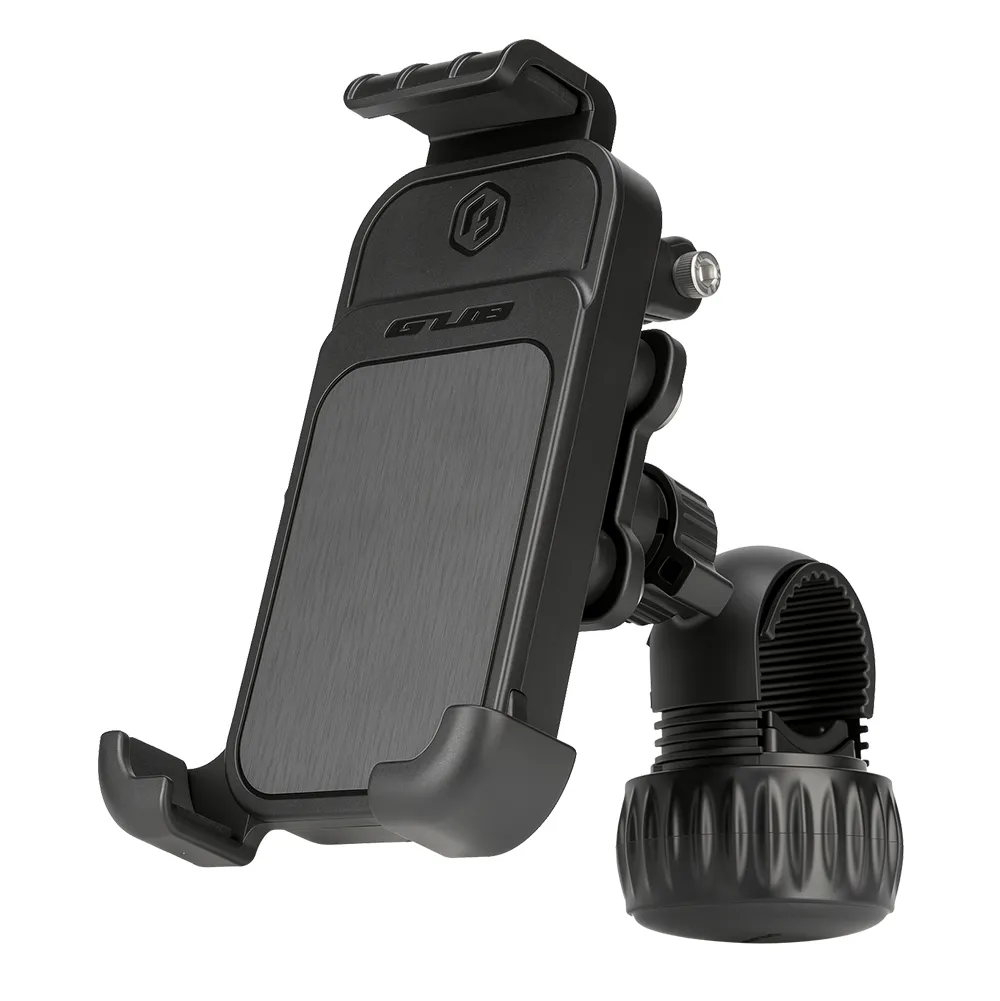
Phone mounts that fit e-scooter stems and bars and hold on over potholes and tram tracks. Ships from Australia, free shipping over $60.


Law updates, new models and buying guides for Australian e-scooter riders, straight to your inbox.
The size of your e-scooter was never really the problem, it's the battery watt-hour rating that rules almost every e-scooter out of both checked and carry-on baggage, well before you even get to the question of whether it physically fits.
Frequently asked questions
Can you fly with an electric scooter in Australia?
Almost certainly not. Most batteries exceed 160Wh, CASA's prohibition threshold, and Virgin Australia bans e-scooters outright.
What is the watt-hour limit for lithium batteries on planes?
Checked: 2.7Wh or less. Carry-on: under 100Wh generally fine, 100-160Wh needs approval, over 160Wh prohibited except mobility aids.
Do Qantas, Jetstar and Virgin allow e-scooters?
Virgin bans them outright (non-mobility-aid). Qantas/Jetstar treat them like skateboards and require contacting staff directly.
How do you find your e-scooter's battery watt-hour rating?
Check the casing or manual, or multiply amp-hours by voltage.
Sources
- CASA: Baggage equipped with a lithium battery (checked 19 Jul 2026)
- Virgin Australia: Batteries (checked 19 Jul 2026)
- Qantas: Battery powered devices and equipment (checked 19 Jul 2026)