
How to transport your electric scooter
Whether you're fitting your e-scooter in the boot for a weekend away or bringing it onto a train for part of your commute, the process is straightforward, but public transport rules genuinely vary by city and operator, and lithium-ion battery fire concerns have made several networks stricter recently.
Last reviewed 19 Jul 2026
Woman wearing a helmet with an electric scooter in an urban environment. Photo for illustration.
Key points
- Fold your e-scooter to its most compact setting before putting it in a car boot, and protect the deck from scratching against other items.
- Foldable e-scooters are commonly allowed on trains, trams and buses, but rules on size, peak-hour restrictions and whether it must be switched off vary by state and operator.
- Charging an e-scooter on board or in station precincts is commonly prohibited, largely due to lithium-ion battery fire risk concerns.
- Always confirm your specific transport operator's current policy before relying on it, these rules have been tightening and can change without much notice.
- A scooter that needs to be carried any real distance is a genuinely different proposition to one that just needs to fold down for a car boot, weight matters more than most riders expect.
Transporting by car
This is the simpler case. Fold your e-scooter down to its most compact setting, most commuter-focused models are designed to fold at the stem for exactly this purpose, and lay it in the boot rather than standing it upright where it can tip and scratch against other items. A boot liner, an old blanket, or even a reusable shopping bag wrapped around the folded stem gives some protection to both the car's interior and the scooter's finish if you're doing this regularly. If you're shopping for a scooter with regular car transport in mind, folded dimensions and weight are worth checking against your specific car's boot space before you buy, see our complete guide to buying your first electric scooter for the fuller buying checklist.
Transporting on public transport
This is where things get genuinely operator-specific. Melbourne's public transport network, for example, permits foldable e-scooters (and e-bikes) on trams and buses, but requires rideable e-devices to be switched off and prohibits charging them on board, on platforms or in station precincts, a rule driven largely by lithium-ion battery fire safety concerns that have become a bigger focus across public transport networks generally. Other cities and operators have their own size limits, peak-hour restrictions and specific conditions, and these rules have been tightening in several places rather than loosening, so don't assume a rule you read a year ago still applies.
The safest approach is to check your specific train, tram or bus operator's current policy directly before you rely on it for a journey that matters, rather than assuming a blanket national rule exists. Most transport authorities publish this clearly on their own websites.
The weight problem most riders underestimate
Folding is one thing, actually carrying a folded e-scooter any real distance, up stairs, through a station, onto a crowded platform, is another. A scooter that folds down neatly but weighs 25kg or more is a genuinely awkward thing to carry for more than a short distance, this is worth factoring in if your plan involves regular multi-modal trips (scooter to station, train, scooter again) rather than a scooter that mostly stays in one car boot. See our comparison of e-scooters and e-bikes for commuting if multi-modal commuting is your main use case, weight and portability are genuinely different considerations to on-road performance.
Before you travel
Give the scooter a quick check before any trip that involves folding, carrying or loading it into a car, per our maintenance guide, a loose stem bolt or under-inflated tyre is more likely to become a problem during transport handling than during normal riding. If your travel plans involve flying rather than driving or public transport, see our separate guide on taking an e-scooter on a plane, airline battery rules are a completely different and much stricter set of considerations.
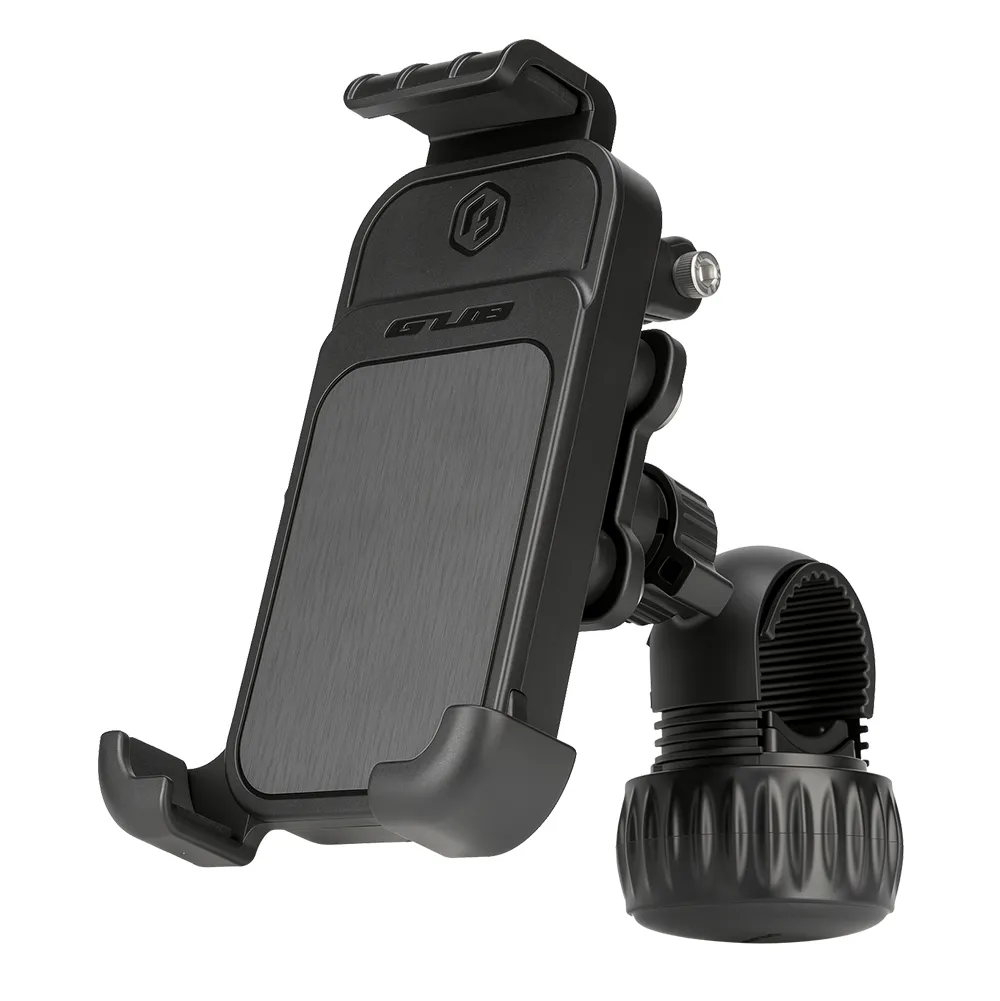
Phone mounts that fit e-scooter stems and bars and hold on over potholes and tram tracks. Ships from Australia, free shipping over $60.


Law updates, new models and buying guides for Australian e-scooter riders, straight to your inbox.
The folding mechanism gets all the attention, but the two things that actually catch riders out are operator-specific rules that changed since they last checked, and underestimating how genuinely awkward a 25kg scooter is to carry any real distance once it's folded.
Frequently asked questions
Can you take a folded e-scooter on a train or bus?
Generally yes for foldable e-scooters, subject to the operator's size limits and rules, but this varies by state, city and even individual operator, and can change over time. Some networks require the scooter to be switched off, and most restrict use during peak periods or on crowded services. Always check your specific transport operator's current policy before relying on it.
Does an e-scooter need to be switched off on public transport?
Commonly yes. Several networks require rideable e-devices to be switched off while on board, on platforms and in station precincts, both as a safety measure and to prevent accidental activation in a crowded space.
Can you charge an e-scooter on a train or platform?
Generally no. Charging on board or in station precincts is commonly prohibited, largely due to lithium-ion battery fire risk concerns that have prompted several networks to tighten rules around e-devices on public transport.
How do you fit an e-scooter in a car?
Fold it down to its most compact setting first, most commuter e-scooters are designed to fold at the stem, and lay it in the boot with the deck protected from scratching against other items. A boot liner or old blanket protects both the car and the scooter on a regular basis.
Sources
- Transport Victoria: Bicycles, e-bikes and e-scooters on public transport (checked 19 Jul 2026)