
Common e-scooter myths in Australia, debunked
Between social media, retailer marketing and word of mouth, e-scooter myths spread easily in Australia. Here are ten of the most common ones, checked directly against government sources, academic research and ScootFinder's own verified reporting.
Last reviewed 19 Jul 2026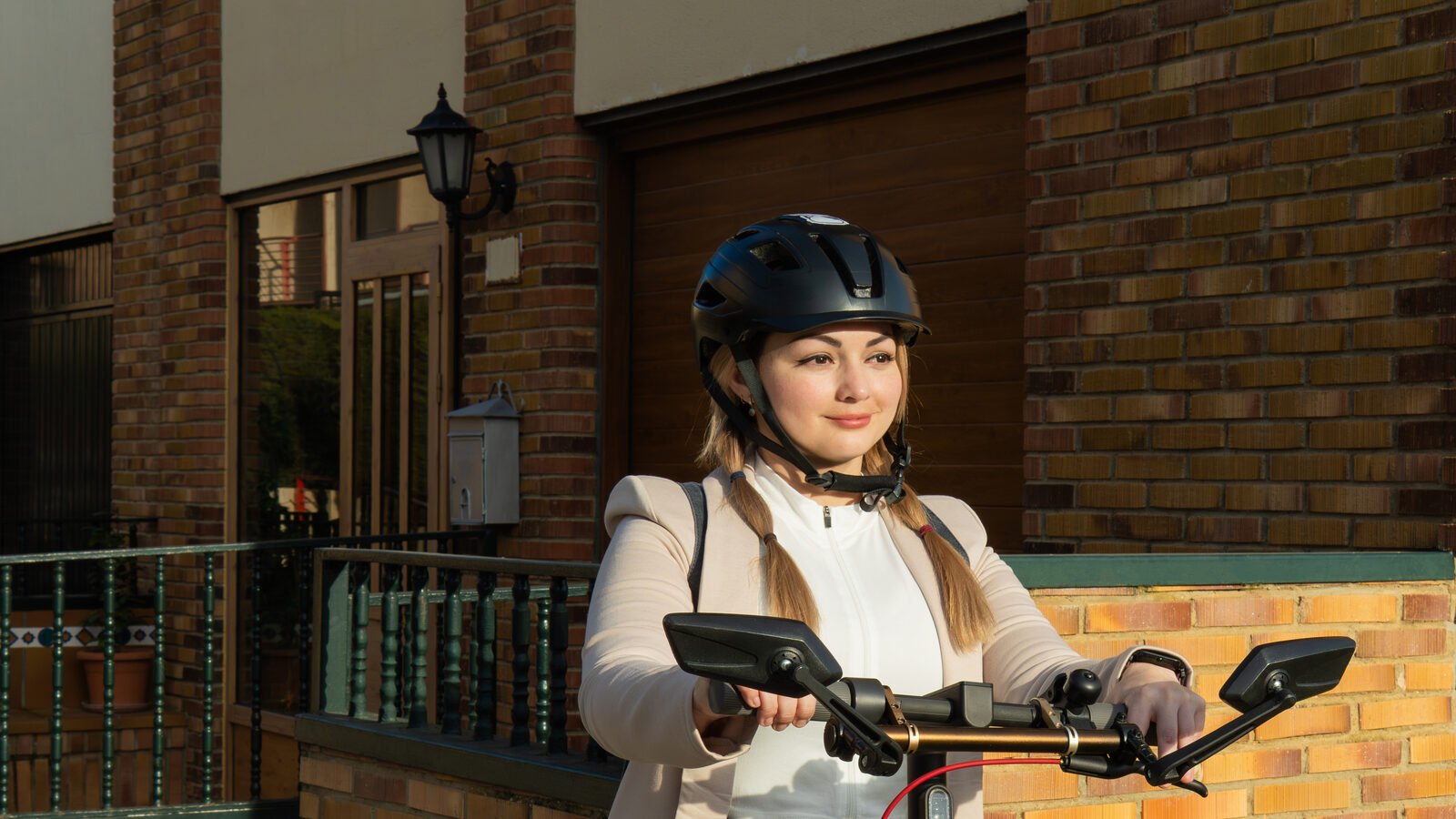
Woman wearing a helmet commuting on an electric scooter in an urban street. Photo for illustration.
Key points
- The footpath isn't always legal or the safest option, NSW and Victoria both ban footpath riding outright.
- Victoria does not ban private e-scooter ownership, a genuinely common but incorrect assumption.
- Most e-scooter injuries come from falls, not collisions with cars, per a recent UNSW-led study.
- No Australian state requires e-scooter insurance, though that's different from being covered if something goes wrong.
- NSW's e-bike crush laws are about e-bikes and throttle e-motorbikes specifically, not e-scooters.
Myth 1: The footpath is always the safest place to ride
Reality: it isn't even always legal. NSW and Victoria both prohibit e-scooter footpath riding outright, it's a specifically fineable offence in each. South Australia takes a different approach, allowing footpath riding but capping speed at 10 km/h. See our full breakdown of where you can actually ride an e-scooter by location type.
Myth 2: Victoria banned private e-scooter ownership
Reality: it didn't. This is one we corrected directly against Victoria Police's own current guidance while researching this project, private e-scooter ownership is legal in Victoria, under conditions (shared-use paths or roads up to 60 km/h, not footpaths, a 20 km/h operating limit, 16+, helmet). See our dedicated Victoria explainer for the full picture, including why the confusion exists in the first place.
Myth 3: 25 km/h was chosen because it's the safest speed
Reality: the National Transport Commission's own analysis says the opposite. Permitting personal mobility devices up to 25 km/h on pedestrian paths was found to carry the highest safety risk among the speed options assessed, it was chosen because the combined mobility and economic benefits were judged to outweigh that risk, a genuine policy trade-off rather than a number derived from stopping distances.
Myth 4: If a hire scooter operates in my city, my own scooter is legal there too
Reality: not necessarily, and in NSW specifically, definitely not. Personal e-scooters remain illegal on NSW roads and road-related areas, including inside the state's own hire-scheme trial areas, private ownership is restricted to private property regardless of whether Beam, Lime or Neuron operate nearby.
Myth 5: Most e-scooter injuries happen because of car collisions
Reality: a recent UNSW-led study of almost 4,700 Victorian emergency department presentations found almost three-quarters came from falls or loss of control, collisions with vehicles made up only a small fraction. See our full coverage of that study for the detail, it genuinely reshapes what safety habits are worth prioritising.
Myth 6: You need insurance to legally ride an e-scooter
Reality: no Australian state requires it. Legal-class e-scooters are treated like bicycles, unregistered and with no compulsory insurance scheme. That's different from being covered if you cause an accident, see our insurance explainer for the genuine liability gap this creates.
Myth 7: A faster top speed always makes a "better" scooter
Reality: it depends entirely on where you're planning to ride. A scooter capable of more than 25 km/h isn't automatically worse, but if it has no way to be limited to 25 km/h, it's private-land-only in every Australian state, regardless of how capable it otherwise is. Top speed and legal ridability are two different questions.
Myth 8: NSW's new e-bike crush laws mean e-scooters can be crushed too
Reality: no, that law targets throttle-only, high-powered e-motorbikes being sold and ridden as e-bikes, a completely different device category to personal mobility devices like e-scooters, which sit under a separate part of NSW's rules.
Myth 9: Electricity is the main ongoing cost of owning an e-scooter
Reality: it's close to a rounding error, typically 12 to 21 cents per full charge at current Australian electricity prices. Tyres, maintenance and eventual battery replacement are where the real ongoing cost of ownership actually sits.
Myth 10: Kids can't easily get hold of a private e-scooter
Reality: the opposite is true, and it's a genuine, documented problem. The same UNSW study found injuries among children aged 2 to 14 quadrupled between 2022 and 2025, linked specifically to privately owned devices, which lack the age-verification checks built into hire scheme apps.
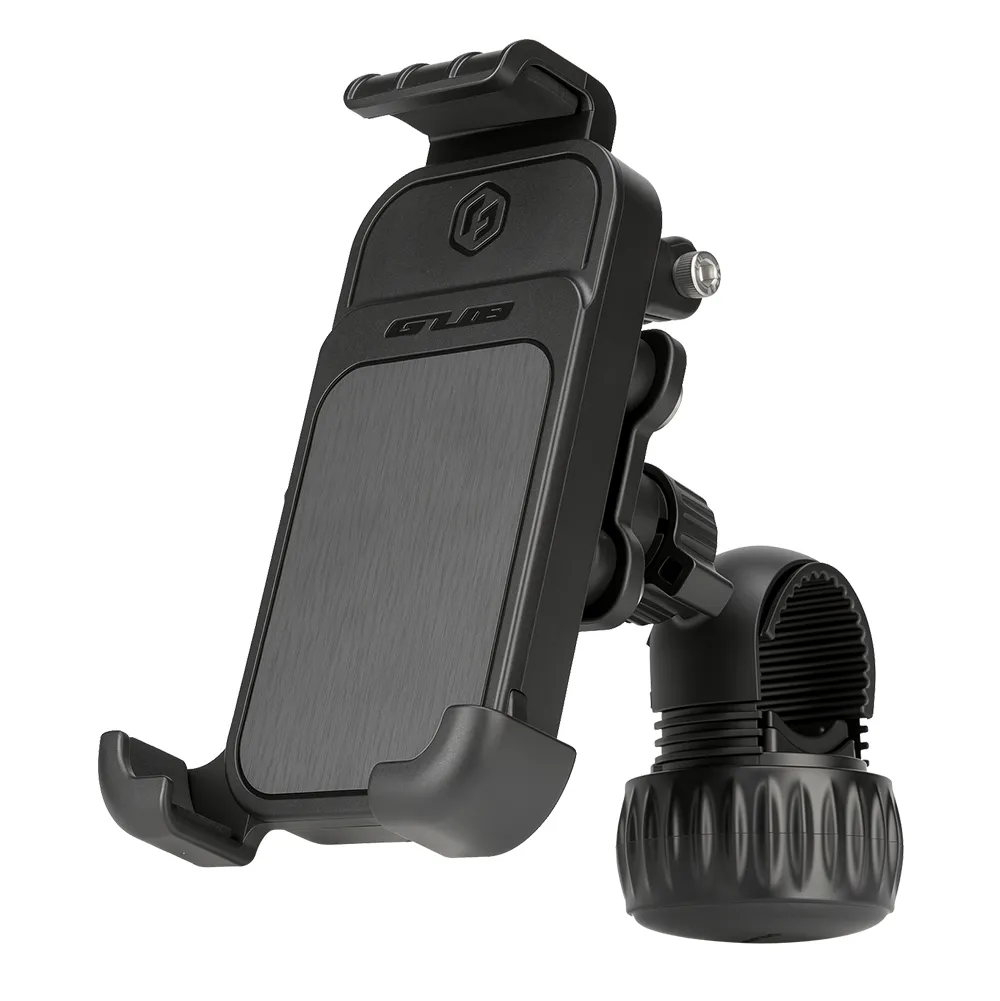
Phone mounts that fit e-scooter stems and bars and hold on over potholes and tram tracks. Ships from Australia, free shipping over $60.


Law updates, new models and buying guides for Australian e-scooter riders, straight to your inbox.
Most of these myths aren't malicious, they're just assumptions that sounded plausible and never got checked against an actual government source or a real study, which is exactly the gap this list is meant to close.
Frequently asked questions
Is the footpath always the safest place to ride an e-scooter?
No, and in NSW and Victoria it's not even legal, footpath riding is banned outright in both states. South Australia allows it, but capped at 10 km/h. Assuming the footpath is your default safe option is one of the most common and easily corrected myths.
Do you need insurance to ride an e-scooter in Australia?
No state requires it. Legal-class e-scooters are treated like bicycles, unregistered, with no compulsory insurance scheme. That doesn't mean you're covered if you cause an accident, just that there's no legal requirement to carry insurance.
Is Victoria's private e-scooter ban a myth?
Yes. Private e-scooter ownership is legal in Victoria, under specific conditions (shared-use paths or roads up to 60 km/h, not footpaths, 20 km/h operating limit, 16+, helmet). It's a genuinely common misconception, confirmed directly against Victoria Police's own current guidance.
Are most e-scooter injuries caused by cars?
No. A recent UNSW-led study found almost three-quarters of e-scooter emergency department presentations came from falls or loss of control, with collisions involving vehicles making up only a small fraction.
Sources
- Victoria Police: Electric powered scooters (e-scooters) (checked 19 Jul 2026)
- UNSW Newsroom: E-scooter injuries a growing toll on hospitals, new study (checked 19 Jul 2026)
- National Transport Commission: Barriers to the safe use of personal mobility devices (checked 19 Jul 2026)