
E-scooter injuries are a growing toll on Australian hospitals, new study finds
A new study led by UNSW Sydney researchers, examining almost 4,700 e-scooter-related emergency department presentations in Victoria, has found child injuries have quadrupled in four years, and that most injuries come from falls, not collisions with cars.
Last reviewed 19 Jul 2026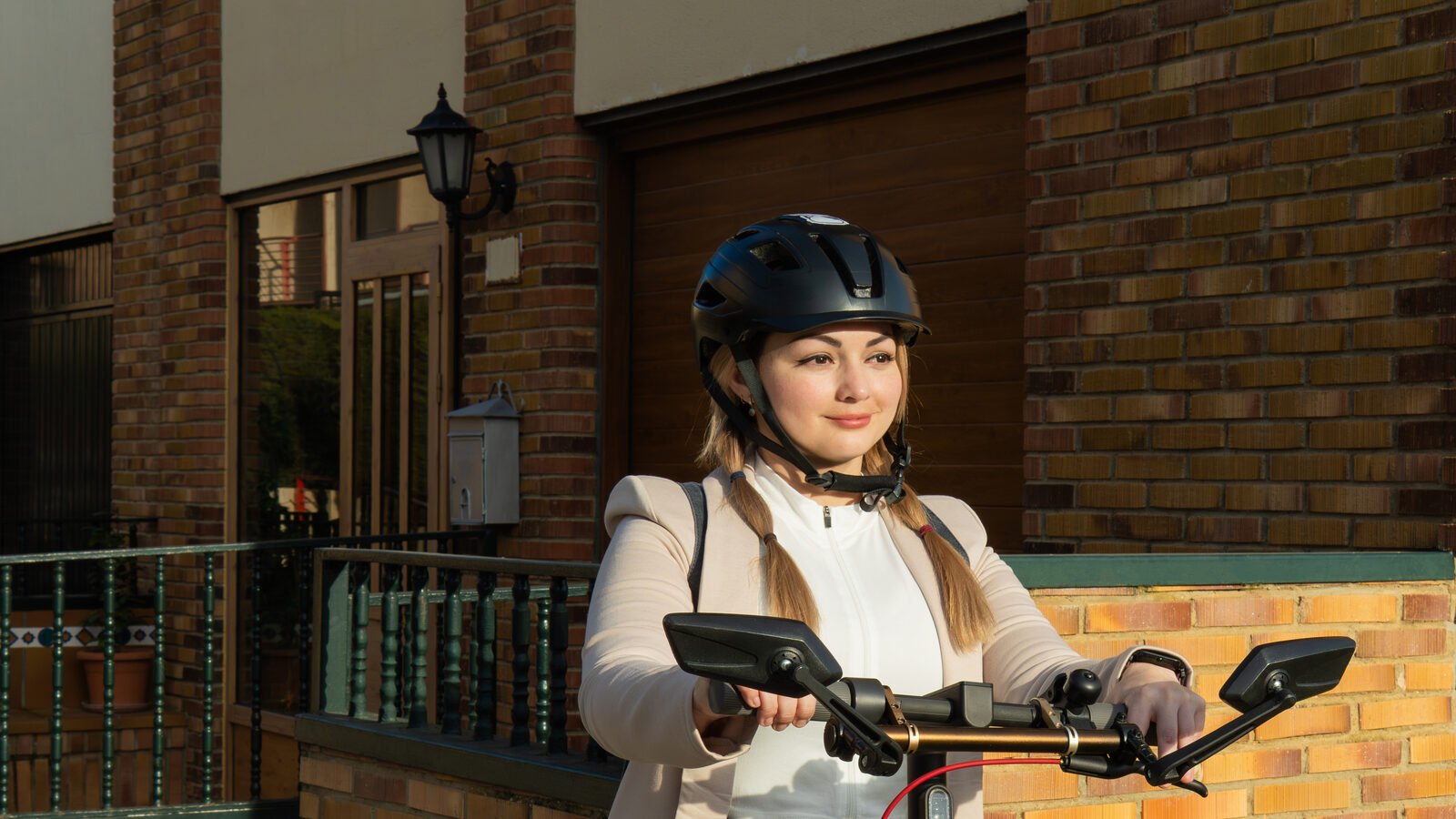
Woman wearing a helmet standing with her electric scooter. Photo for illustration.
Key points
- Between 2022 and 2025, almost 4,700 e-scooter-related emergency department presentations were recorded in Victoria, including 79 pedestrians struck by riders.
- Injuries among children aged 2 to 14 rose from 64 cases in 2022 to 263 in 2025, a quadrupling in four years, despite riding being illegal for under-16s.
- Almost three-quarters of presentations came from falls or loss of control, not collisions with vehicles.
- Young men accounted for 71.4% of hospital presentations, and the head was the most commonly injured body region.
- The 2026-27 federal budget allocated $6.6 million to strengthen product safety and compliance standards for e-bikes and e-micromobility devices.
What the study found
Researchers led by UNSW Sydney injury epidemiologist Dr Lisa Sharwood examined almost 4,700 e-scooter-related emergency department presentations in Victoria between 2022 and 2025. The headline finding is a sharp rise in child injuries: cases among children aged 2 to 14 climbed from 64 in 2022 to 263 in 2025, a quadrupling in just four years, even though riding is illegal for under-16s in most Australian states.
Dr Sharwood links the trend directly to private ownership. "The increase in injuries among children appears to be linked to the growing availability of privately owned e-scooters," she said. "Share-hire schemes have age-verification systems and do not allow children under 16 to ride, but privately owned devices are much easier for children to access." Nearly half of all child injuries in the study occurred on roads, despite riding there being illegal for that age group.
It's falls, not traffic
One of the study's more counterintuitive findings is where the danger actually comes from. Almost three-quarters of emergency presentations were the result of falls or loss of control, with collisions involving motor vehicles making up only a small fraction of cases. Co-author Professor Alexandra Martiniuk called this one of the study's most important findings, noting it means prevention efforts need to focus on rider stability, experience, speed and road surfaces, not just where people ride relative to traffic.
Young adults aged 15 to 34 accounted for almost half of all presentations, and young men made up 71.4% of the total. More than a third of injured riders required hospital admission, and around a third arrived by ambulance, mostly classified as urgent or emergency cases. The head was the most commonly injured body region, ahead of the wrist, hand and forearm, a pattern the researchers say points back to the ongoing importance of helmet use.
A policy response is already underway
The study lands amid growing government attention to e-scooter regulation. The 2026-27 federal budget allocated $6.6 million specifically to strengthen product safety frameworks and compliance standards for e-bikes and e-micromobility devices, including e-scooters, sitting alongside a broader $500 million investment in active transport infrastructure. Dr Sharwood argues the patchwork of different state rules is itself part of the problem: "Australia currently has a patchwork of different rules governing e-scooter use. This can be confusing for riders and makes it difficult to deliver consistent safety messages." She says a sensible national approach would standardise age limits, helmet requirements, speed limits and riding rules, alongside stronger product safety oversight for the devices sold here.
What this means if you're buying or already own one
None of this changes the legal picture covered in our guide to are electric scooters legal in Australia, but it's a genuine reason to take rider skill and equipment seriously rather than treating an e-scooter as a toy, particularly if there are kids in the house who might get access to a private device. See our guide to how to ride an e-scooter safely around pedestrians and in traffic for practical habits that reduce fall risk, and our explainer on what age you need to be to ride an e-scooter in Australia if you're weighing up a device for a younger rider.
Law updates, new models and buying guides for Australian e-scooter riders, straight to your inbox.
"Emergency clinicians are not simply treating scrapes and bruises due to e-scooter injuries. They are seeing fractures, head injuries and injuries affecting multiple parts of the body." (Dr Lisa Sharwood, UNSW Sydney, lead author)
Frequently asked questions
How many e-scooter injuries are there in Australia?
A new UNSW-led study found almost 4,700 e-scooter-related ED presentations in Victoria between 2022 and 2025, including 79 pedestrians struck by riders.
Are e-scooter injuries mostly caused by cars or by falls?
Falls and loss of control account for almost three-quarters of presentations, collisions with vehicles are only a small fraction.
Are children getting injured on e-scooters in Australia?
Yes. Injuries among children aged 2 to 14 rose from 64 cases in 2022 to 263 in 2025, linked to growth in privately owned devices.
What is the government doing about e-scooter safety?
The 2026-27 federal budget allocated $6.6 million to strengthen product safety and compliance standards for e-bikes and e-micromobility devices.
Sources
- UNSW Newsroom: E-scooter injuries a growing toll on hospitals, new study (checked 19 Jul 2026)
- ScienceDirect: peer-reviewed study underlying the UNSW newsroom coverage (checked 19 Jul 2026)