
How to ride an e-scooter safely around pedestrians and in traffic
A recent UNSW-led study found almost three-quarters of e-scooter injury presentations came from falls, not collisions with vehicles. That single finding should change how most riders think about safety, it's about staying upright and in control, not just watching for traffic.
Last reviewed 19 Jul 2026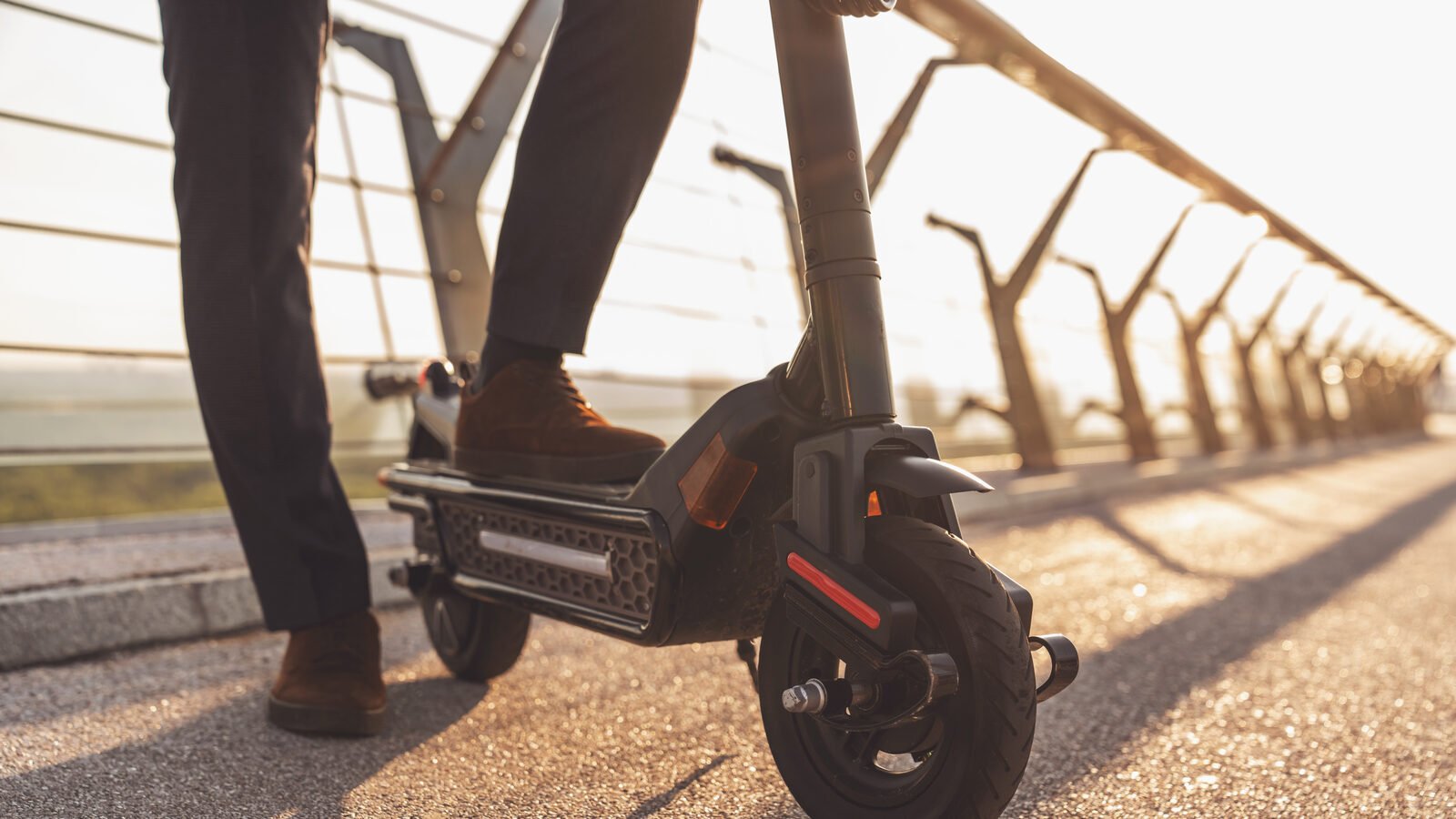
A person walking alongside an electric scooter on a path. Photo for illustration.
Key points
- Falls and loss of control account for almost three-quarters of e-scooter emergency presentations, collisions with vehicles are only a small fraction.
- The head is the most commonly injured body region, reinforcing the value of a properly fitted helmet every ride.
- Slow down noticeably before surface changes, gravel, wet paint, tram tracks and gutters are common, preventable fall triggers.
- Keep both hands on the handlebars at all times, one-handed riding while holding a phone or bag is a genuine and avoidable risk factor.
- Give pedestrians clear priority and don't assume a near-silent scooter has been heard coming.
Start from what actually causes injuries, not assumptions
It's natural to assume traffic is the main danger on an e-scooter, but a recent UNSW-led study of almost 4,700 Victorian emergency department presentations found the opposite: almost three-quarters of injuries came from falls or loss of control, with collisions involving motor vehicles making up only a small fraction. See our full coverage of that study for the detail. That finding should reshape where you actually focus your attention: staying upright and in control matters more, on average, than watching for cars.
Build habits that prevent falls specifically
Given falls are the dominant cause, the highest-value habits are the ones that keep you stable. Keep both hands on the handlebars at all times, riding one-handed while holding a phone, a bag or an umbrella removes your ability to react to a sudden bump or surface change. Slow down noticeably before any surface transition, gravel patches, wet road paint, tram tracks and gutters are all common, preventable triggers for a fall, and they're far easier to manage at a lower speed. If you're still building confidence on a new scooter, resist the urge to push top speed early, skill and stability develop with time, the same reasoning that underpins age and licensing restrictions for higher-powered vehicles generally.
Riding around pedestrians
Slow down well before you're close to pedestrians, rather than assuming you'll thread past them at speed without issue. An e-scooter is near-silent compared to a bike or car, don't assume a pedestrian has heard you coming, use a bell or your voice to announce your approach if your path is genuinely shared. Give pedestrians clear priority on any shared space, and be especially cautious around children, older pedestrians and anyone with a dog on a leash, none of whom you can expect to react predictably to a fast-approaching scooter from behind.
The helmet question, settled by the data
The same UNSW study found the head was the single most commonly injured body region among e-scooter presentations, ahead of the wrist, hand and forearm. Researchers explicitly connected this back to the importance of helmet use as an ongoing part of the safety conversation, not just a legal box to tick. A properly fitted, securely fastened helmet is worth treating as non-negotiable every ride, not just when you remember or when you're going further than usual.
Visibility matters more than most riders think
Given e-scooters are involved in a meaningful number of pedestrian strikes too, being visible cuts both ways, it helps pedestrians and other road users see you coming, and helps you be seen by a car pulling out of a driveway or turning across your path. See our guide to e-scooter lighting requirements at night if you ride in low light, and keep your scooter's brakes and tyres in good condition as part of your regular routine, see how to maintain your electric scooter, since a fall caused by a worn tyre or a soft brake is exactly the kind of preventable incident the injury data points to.
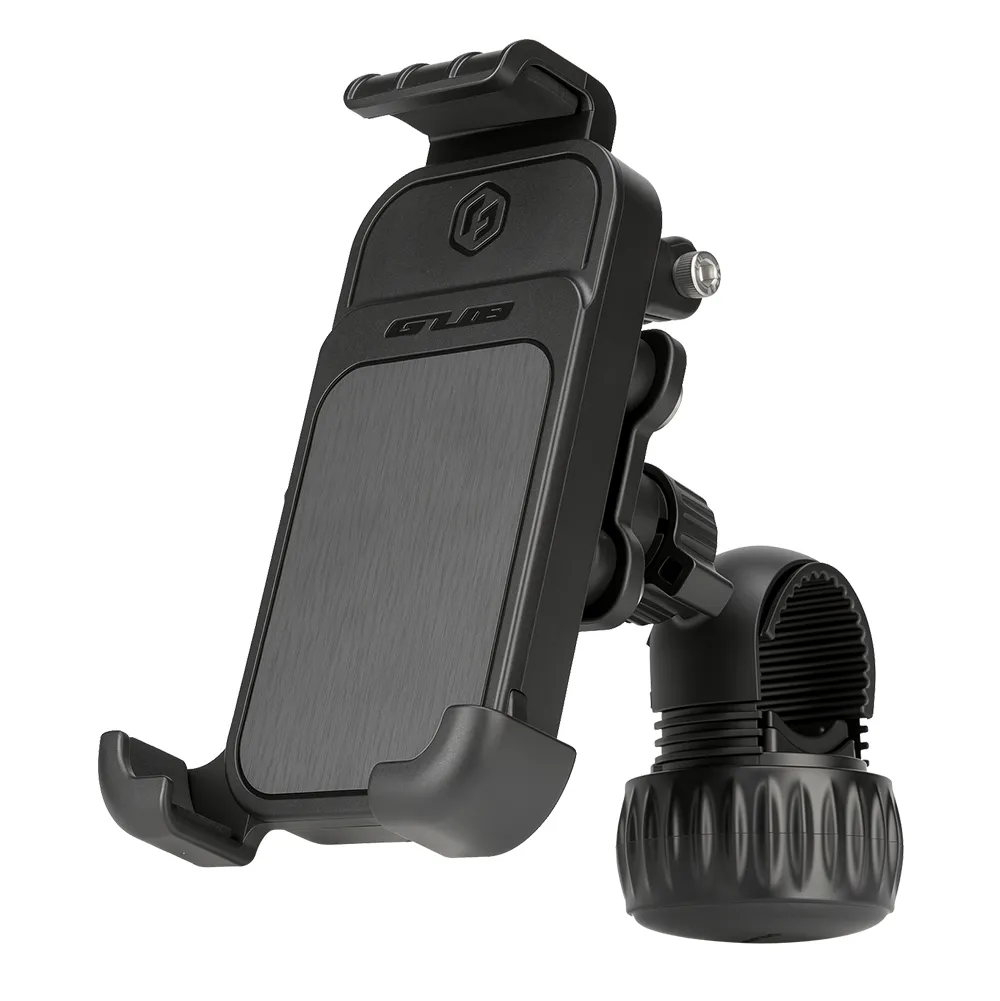
Phone mounts that fit e-scooter stems and bars and hold on over potholes and tram tracks. Ships from Australia, free shipping over $60.


Law updates, new models and buying guides for Australian e-scooter riders, straight to your inbox.
The single most useful thing the UNSW study tells riders isn't a new road rule, it's a reframe: most e-scooter injuries happen because someone lost control, not because a car hit them, and that changes what's actually worth practising. This article discusses injury statistics for general safety awareness. If you've been affected by a serious accident, consider speaking with a medical professional about safe riding practice and appropriate protective equipment.
Frequently asked questions
What actually causes most e-scooter injuries?
Falls and loss of control, not collisions with vehicles. A recent UNSW-led study of Victorian emergency department data found almost three-quarters of e-scooter injury presentations came from falls, with collisions with motor vehicles making up only a small fraction, a genuinely counterintuitive finding worth building your riding habits around.
How do you avoid falling off an e-scooter?
Keep both hands on the handlebars, slow down noticeably before any surface change (gravel, wet paint, tram tracks, gutters), avoid one-handed riding while holding a phone or bag, and build confidence gradually on a device you're still learning rather than pushing top speed early.
How should you ride an e-scooter around pedestrians?
Slow down well before you're close, announce your approach with a bell or voice rather than assuming they'll hear an near-silent scooter, and give pedestrians priority on any shared space. Never assume a pedestrian has seen or heard you coming.
Does wearing a helmet actually make a difference?
Yes. The same UNSW study found the head was the single most commonly injured body region in e-scooter presentations, ahead of the wrist, hand and forearm, a pattern the researchers explicitly linked back to the ongoing importance of helmet use.
Sources
- UNSW Newsroom: E-scooter injuries a growing toll on hospitals, new study (checked 19 Jul 2026)