E-scooter vs e-skateboard vs e-unicycle
E-scooters, e-skateboards and e-unicycles are all personal mobility devices under Australian road rules, but they're genuinely different machines to ride, learn and live with. If you're considering something other than a scooter, here's how the three actually compare.
Last reviewed 19 Jul 2026
Man wearing a helmet riding an electric scooter in a city street. Photo for illustration.
Key points
- E-scooters are the easiest of the three to learn, thanks to a wide stance, handlebar steering and a low centre of gravity.
- E-skateboards demand genuine balance skill closer to traditional skateboarding, a real barrier for most first-time riders.
- E-unicycles have the steepest learning curve of the three, no handlebar, balancing on a single wheel, but are the most compact to carry once you can ride one.
- In South Australia, e-skateboards and e-unicycles (e-solo-wheels) are explicitly grouped with e-scooters under the same 25 km/h device cap and road rules, treatment elsewhere hasn't been independently checked for this piece.
- For everyday commuting rather than recreation, the e-scooter's learning curve and practicality advantages make it the clear default for most riders.
Learning curve is the biggest practical difference
This is where the three devices diverge most. An e-scooter's wide deck, handlebar steering and standing posture make it approachable for most adults within a short session, which is a big part of why it's become the dominant personal mobility device for everyday transport rather than recreation. An e-skateboard demands genuine balance skill closer to traditional skateboarding, riders without a skateboarding background typically need real practice time before it feels usable for actual transport rather than just a backyard novelty. An e-unicycle is the steepest of the three, there's no handlebar at all, balance is everything, and most riders need meaningful dedicated practice before they'd trust it for a real commute.
Portability once you can ride
Here the order flips somewhat. E-unicycles are typically the smallest and lightest thing to carry once you're off it, essentially a wheel with a carrying handle, no folding mechanism needed. E-scooters are moderately portable if they fold, though weight varies a lot across models, see our complete guide to buying your first electric scooter for what to check. E-skateboards are compact in one sense (they're just a longer board) but rarely fold, closer in practice to carrying a regular skateboard than a genuinely collapsible device.
Where they sit legally
In South Australia, the classification is explicit and useful: e-skateboards and e-solo-wheels (e-unicycles) are grouped alongside e-scooters as personal mobility devices, following the same 25 km/h device cap and the same road, bike lane and footpath access rules. This is a genuinely helpful data point since it confirms all three sit within the same regulatory category there, rather than being treated as entirely separate vehicle types. We haven't independently verified the exact treatment of e-skateboards and e-unicycles in every other state for this piece, and rules can differ, check your specific state's current road rules before assuming identical treatment to e-scooters everywhere, see are electric scooters legal in Australia for the broader picture on e-scooters specifically.
Which one actually suits you
If you want the most straightforward path from "bought it" to "using it for actual transport," an e-scooter's learning curve advantage is hard to beat, and it's the option with by far the deepest market of models, price points and support in Australia currently, see our comparison of e-scooters and e-bikes if you're weighing that alternative too. If ultimate portability when not riding matters more than a quick learning curve, and you're willing to invest real practice time, an e-unicycle is worth investigating further. E-skateboards sit in between, more skill-intensive than a scooter, less compact than a unicycle, and tend to appeal most to riders who already have a skateboarding background.
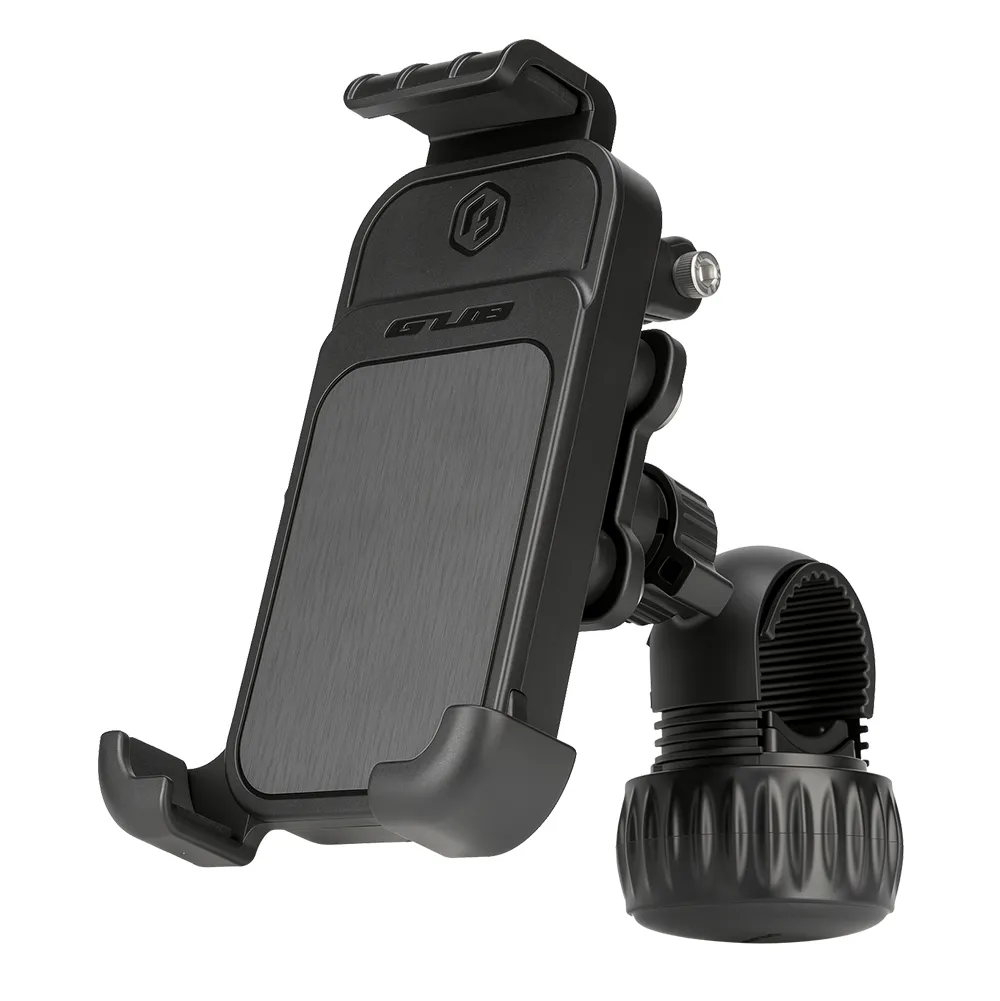
Phone mounts that fit e-scooter stems and bars and hold on over potholes and tram tracks. Ships from Australia, free shipping over $60.


Law updates, new models and buying guides for Australian e-scooter riders, straight to your inbox.
None of these devices is objectively "better," they trade learning difficulty against post-learning portability in almost opposite directions, which is exactly why the e-scooter's easy learning curve has made it the default choice for people who just want reliable everyday transport rather than a new skill to master.
Frequently asked questions
Which is easiest to learn: e-scooter, e-skateboard or e-unicycle?
E-scooter, by a wide margin for most people. Standing with two feet on a wide deck and steering with handlebars is a familiar, stable starting point. E-skateboards require genuine balance skill closer to regular skateboarding, and e-unicycles have the steepest learning curve of the three, balancing on a single wheel with no handlebar at all.
Are e-skateboards and e-unicycles legal in the same way as e-scooters?
In South Australia, yes, e-skateboards and e-solo-wheels (e-unicycles) are explicitly grouped with e-scooters as personal mobility devices under the same 25 km/h cap and road access rules. Treatment in other states can differ and we haven't independently verified every jurisdiction for this piece, check your specific state before assuming identical treatment.
Which personal mobility device is most portable?
E-unicycles are typically the smallest and lightest to carry when not riding, no folding required, just a wheel with a handle. E-scooters are moderately portable if they fold. E-skateboards are compact but rarely fold, closer to carrying a regular skateboard.
Which PMD is safest for a beginner?
E-scooter, generally. The wide stance, low centre of gravity relative to an e-skateboard, and handlebar control make it the most forgiving option to learn on, which is also reflected in it being by far the most common PMD choice for everyday transport rather than recreation.
Sources
- SA Government My Licence: Personal Mobility Devices (checked 19 Jul 2026)