
How to maintain your electric scooter
Most electric scooter maintenance is simple and takes a few minutes a month: check tyre pressure, test the brakes, and tighten any loose bolts. Do these consistently and you'll catch small issues before they become expensive ones.
Last reviewed 16 Jul 2026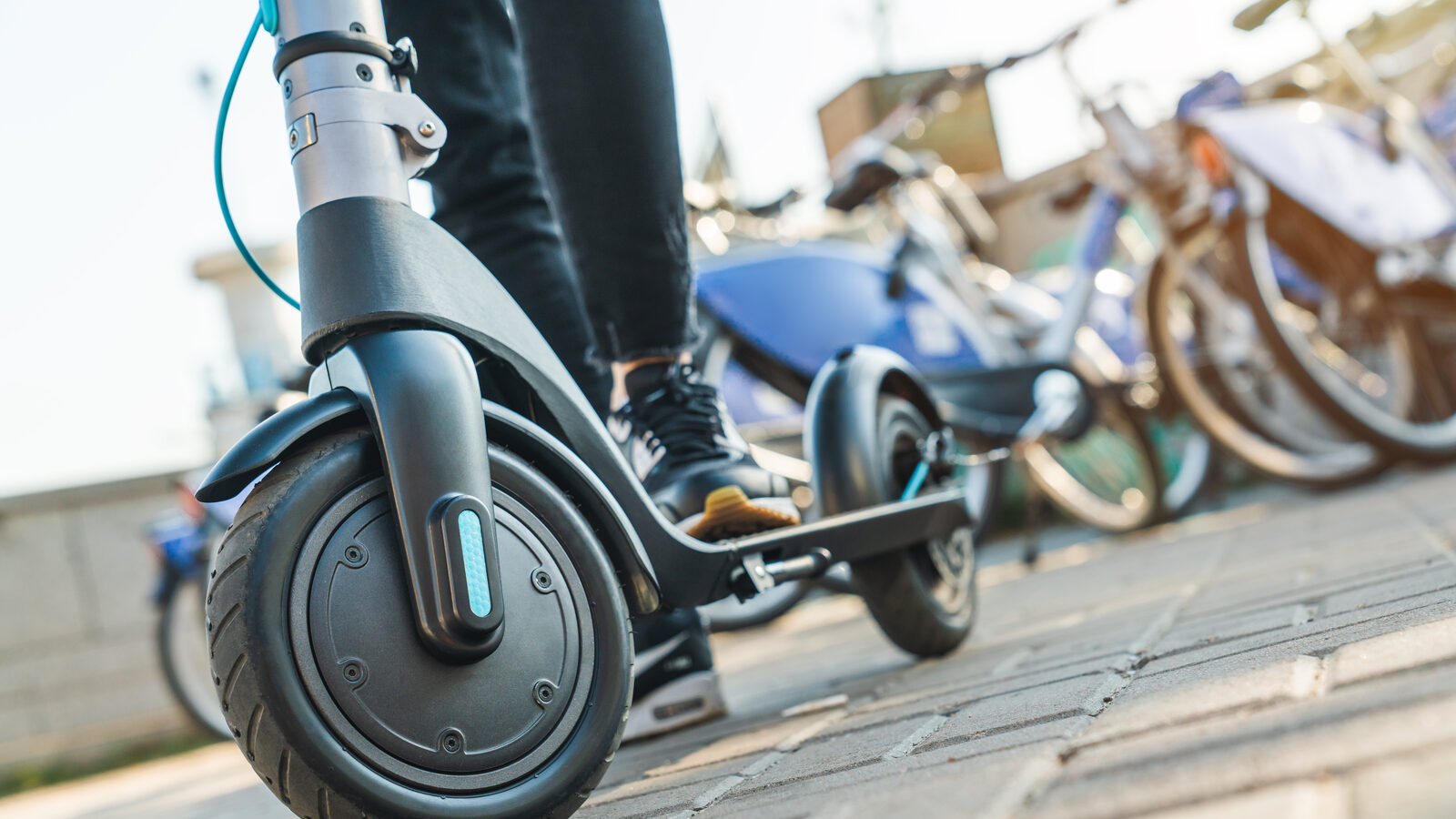
Close-up of feet standing on an electric scooter's deck. Photo for illustration.
Key points
- Check tyre pressure monthly and before longer rides, underinflated tyres hurt range, stability and tyre life.
- Test your brakes before every ride: apply them while stationary and try to push the scooter, it shouldn't move.
- Check the stem, deck and wheel mounting bolts monthly, and immediately if you notice a new rattle.
- Wipe the scooter down after wet or dusty rides, water and grit are the main causes of premature wear.
- Leave anything involving the motor, battery or electronics to a qualified technician or your retailer.
Tyres
Check tyre pressure at least monthly if your scooter has pneumatic (air-filled) tyres, and always before a ride you know will cover real distance. The correct pressure varies by model, check the tyre sidewall or your scooter's manual rather than guessing, since running too low a pressure noticeably reduces range, makes the scooter feel less stable at speed, and wears the tyre unevenly. Solid tyres skip this step entirely, one of the trade-offs for their lower maintenance and puncture resistance against a slightly harder ride.
Brakes
Get in the habit of testing your brakes before every single ride, not just occasionally. With the scooter stationary, apply the brake fully and try to push it forward, if it moves, the brakes need attention before you ride. While riding, pay attention to brake feel: a lever that feels softer than usual, a longer stopping distance, or a new grinding or squealing sound are all signs worth investigating properly rather than riding through. Disc brakes, standard on most of ScootFinder's catalogue models, are generally more consistent in wet conditions than drum brakes, but still deserve the same pre-ride check.
Bolts and fasteners
Vibration loosens bolts over time, it's one of the most common and easiest to fix causes of an e-scooter feeling less solid than when it was new. Check the stem (where the handlebars meet the deck), the deck itself, and the wheel mounting bolts monthly as part of a routine check, and immediately if you notice a new rattle, knock or looseness while riding. A basic hex key set that matches your scooter's bolts is a worthwhile, inexpensive addition to keep at home.
Cleaning
Wipe the scooter down after any ride in wet or dusty conditions, water and grit are the main causes of premature wear on bearings, brakes and electrical contacts over time. Avoid pointing a hose or pressure washer directly at the deck seams, battery compartment or display, even on scooters with a water resistance rating, since that rating typically covers rain and splashes, not direct high-pressure water.
What to leave to a professional
Basic checks like these are reasonable for most owners to handle themselves. Anything involving the motor, battery, controller or wiring is a different matter, these components carry real electrical and fire risk if handled incorrectly, and issues here are best diagnosed by a qualified technician or your retailer. See our guide to e-scooter battery care and wet weather riding for battery-specific guidance, and how long do e-scooter batteries last if you're noticing reduced range over time.
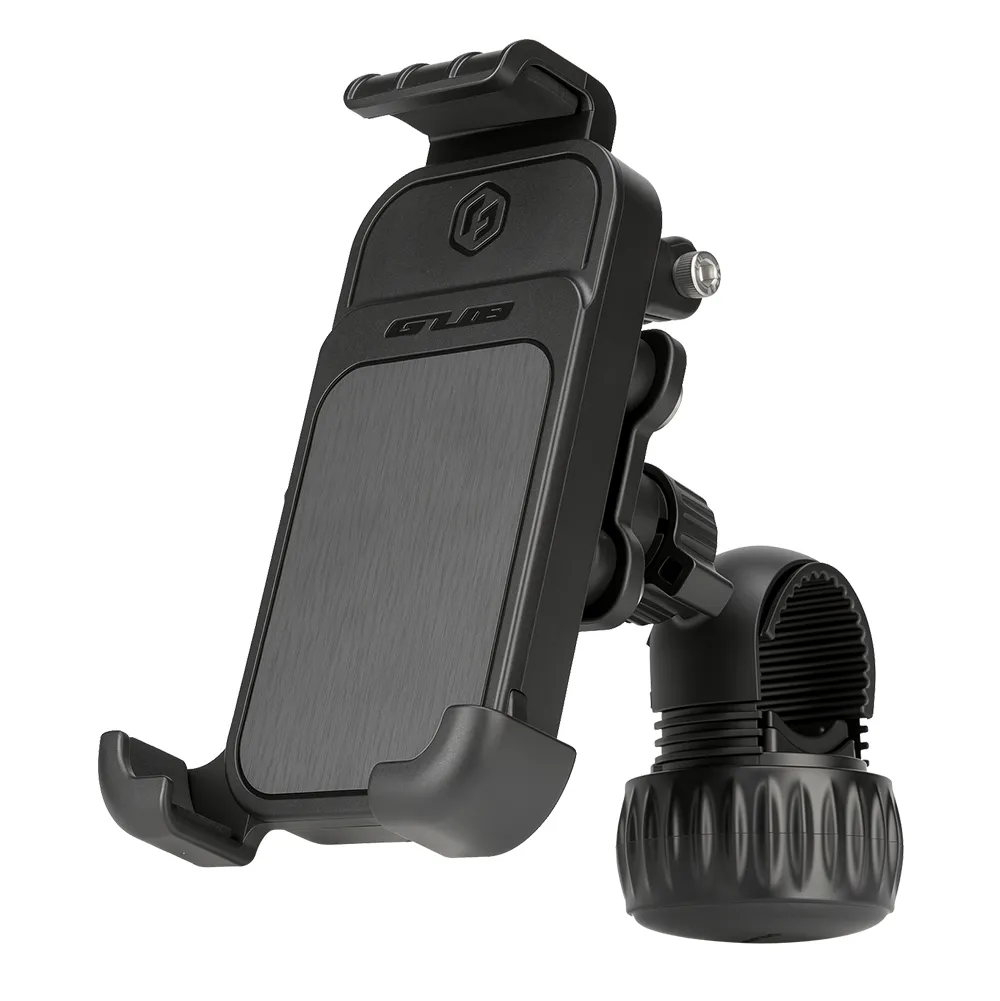
Phone mounts that fit e-scooter stems and bars and hold on over potholes and tram tracks. Ships from Australia, free shipping over $60.


Law updates, new models and buying guides for Australian e-scooter riders, straight to your inbox.
None of this is complicated, it's the same basic discipline as looking after a bicycle: tyres, brakes, bolts, and keeping it clean. The scooters that last are usually the ones that got five minutes of attention a month, not the ones that were expensive to begin with.
Frequently asked questions
How often should I check my e-scooter's tyre pressure?
Monthly for pneumatic tyres, and always before a longer ride.
How do I know if my e-scooter's brakes need attention?
Test before every ride; a soft lever, longer stopping distance, or grinding sound are signs to inspect properly.
How often should I check bolts on my e-scooter?
Monthly, and immediately if you notice a new rattle or looseness while riding.
Do I need to service my e-scooter professionally?
Basic checks are fine to do yourself; leave the motor, battery and electronics to a qualified technician or your retailer.
Sources
- Segway Australia (checked 16 Jul 2026)
- Inokim Australia (checked 16 Jul 2026)
- Minimotors / Dualtron Australia (checked 16 Jul 2026)