Segway Ninebot Max G2 review
The Australian MAX G2 specification lists a 551 Wh battery, front hydraulic, rear double suspension, 25 km/h supplied maximum and 900 W peak (450 W nominal) motor output. This is a research-based run-out buying reference, not a hands-on review or a current-stock promise.
Last reviewed 17 Oct 2026
A rider locking up an electric scooter in an urban area. Photo for illustration.
Key points
- The Australian MAX G2 specification lists a 551 Wh battery, front hydraulic, rear double suspension, 25 km/h supplied maximum and 900 W peak (450 W nominal) motor output.
- Published weight is 24.3 kg; carrying comfort and real braking performance have not been measured by ScootFinder.
- Manufacturer range claims and ScootFinder estimates are separate; check the exact Australian unit and its battery condition.
What the Australian specification actually says
The Australian MAX G2 specification lists a 551 Wh battery, front hydraulic, rear double suspension, 25 km/h supplied maximum and 900 W peak (450 W nominal) motor output. The official unfolded dimensions are 1210 x 570 x 1264 mm. Overseas 35 km/h figures do not replace the supplied Australian specification.
Suspension is a feature, not the compromise
The front hydraulic damper and rear double suspension distinguish the MAX G2 from a rigid commuter. ScootFinder has not physically tested its ride quality. A 24.3 kg scooter still deserves a real lift and fold demonstration before you choose it for stairs.
Battery and range: read the conditions
The battery is published at 551 Wh. Segway claims 70 km at 16 km/h and up to 50 km at 25 km/h, under its stated 75 kg load, 25 C pavement test conditions. Our retained 55 km catalogue estimate is untested planning context, not a guarantee at 25 km/h or a battery-health assessment for an older unit.
Buying an older model
The catalogue retains its run-out status and the historical 4 October seller observations; those prices and sold-out reports have not been re-dated. Check the exact generation, new or refurbished condition, battery health, warranty and compatible parts. Use the MAX G2 model page for dated records and the state checker. A 25 km/h specification is not permission for every rider or route.
Compare the MAX G3 and MAX G2 for newer hardware, or MAX G2 and Light 2 for the weight trade-off. Neither guide claims physical testing.
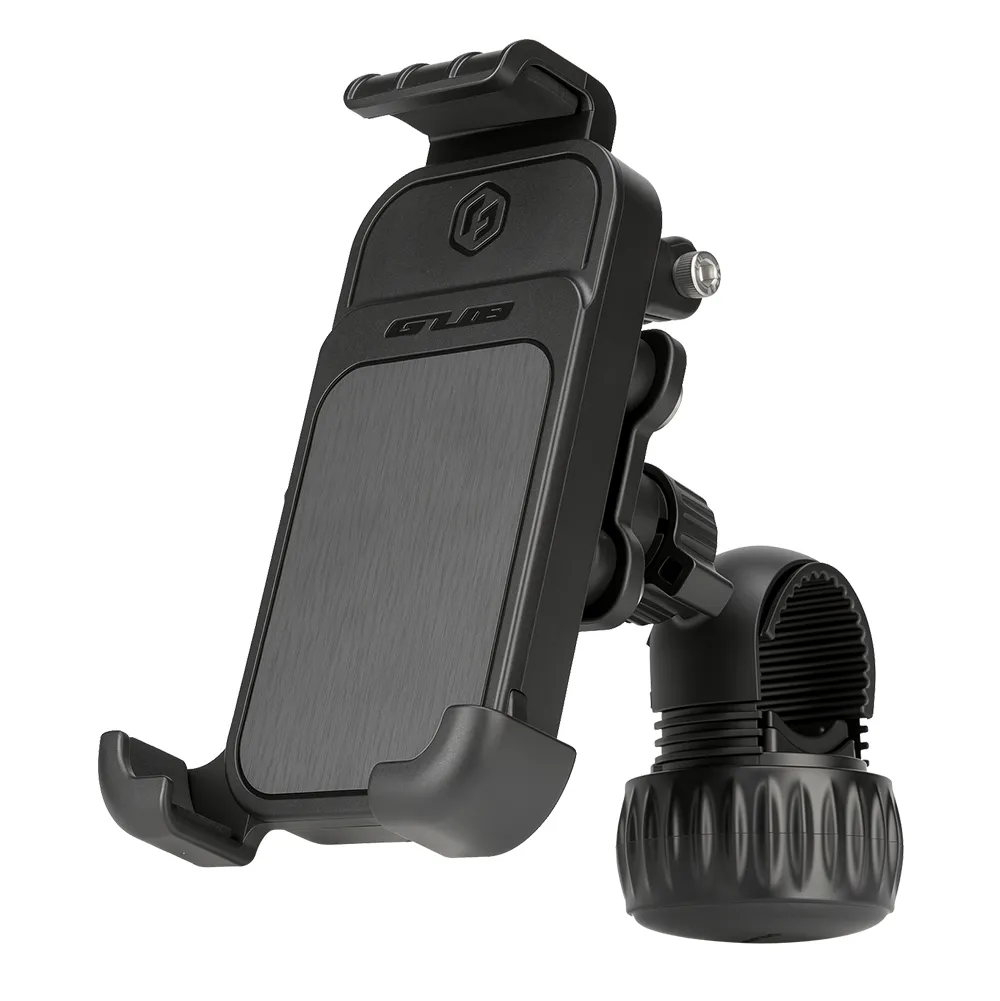
Phone mounts that fit e-scooter stems and bars and hold on over potholes and tram tracks. Ships from Australia, free shipping over $60.


Law updates, new models and buying guides for Australian e-scooter riders, straight to your inbox.
The MAX G2 has suspension at both ends. Its real compromise is carrying weight and run-out condition, not a missing suspension system.
Frequently asked questions
Does the MAX G2 have suspension?
Yes. Segway-Ninebot Australia specifies a front hydraulic damper and rear double suspension.
What is the Australian MAX G2 battery capacity?
551 Wh, according to the official Australian specification. This is nominal battery energy, not a measured range result.
Is the Australian MAX G2 a 35 km/h scooter?
The cited Australian supplied specification publishes 25 km/h. Confirm the exact unit; overseas versions and app modes do not establish local device eligibility.
Has ScootFinder tested its range or ride comfort?
No. Manufacturer claims, catalogue estimates and physical test results are separate; no ScootFinder road-test result is claimed.