
E-scooter won't turn on? Here's what to check first
Before you assume the worst, most cases of an e-scooter that won't turn on come down to a handful of genuinely common and fixable causes: a charging issue, a loose connection, a blown fuse, or a battery that's been left too deeply discharged. Work through these first.
Last reviewed 19 Jul 2026
Close-up of an electric scooter's front wheel and controls. Photo for illustration.
Key points
- Check the charger's own indicator light independently of the scooter, this tells you quickly whether the charger or the scooter is the more likely problem.
- A loose or corroded charging port connection is one of the most common, easily fixed causes.
- Several e-scooters have an accessible fuse that can blow and is simple to check and replace.
- A battery left fully discharged for an extended period can become unable to accept a normal charge, this is why the storage guidance in our winter storage guide matters.
- Anything involving swelling, heat, unusual smell or visible battery damage is a stop sign, not a troubleshooting step, call a technician.
Start with the charger, not the scooter
Before assuming there's anything wrong with the scooter itself, isolate the charger. Plug it into a wall outlet on its own, most chargers have an indicator light that activates independent of being connected to a scooter. If that light doesn't come on at all, the charger itself may be the faulty component, a genuinely common and inexpensive fix compared to a battery or motor issue. If the charger's light behaves normally but the scooter still won't charge or power on once connected, the problem is more likely downstream of the charger itself.
Check the physical connections
A surprising number of "dead scooter" cases come down to something mechanically simple: the charging port not fully seated, a connector that's slightly bent or corroded, or a power button that needs a firmer or longer press than you'd expect. Give the charging port a visual check for any visible corrosion or debris, and make sure the connector is pushed in fully and squarely rather than at an angle.
Look for an accessible fuse
Several e-scooter models include a user-accessible fuse, often located near the battery compartment, that can blow from a short circuit, a power surge, or simply age. Check your specific model's manual for the fuse's location and rating before assuming a more serious fault, replacing a blown fuse is a simple, inexpensive fix well within reach for most owners, unlike battery or motor repairs.
Consider whether the battery was left too deep
A lithium-ion battery left fully discharged for an extended period, particularly during storage, can become unable to accept a normal charge, sometimes requiring a specific low-current recovery charge, or in a worse case, being genuinely damaged beyond recovery. This is exactly why the storage guidance in our winter storage guide recommends keeping a stored battery at a partial charge rather than letting it sit empty, and why our battery care guide is worth a look if this keeps happening.
When to stop troubleshooting yourself
Once you've worked through the charger, connections, power button and any accessible fuse without success, it's a reasonable point to call your retailer or a qualified technician rather than continuing to investigate yourself. This is a hard line, not a soft suggestion, if you notice any swelling, an unusual smell, unexpected heat, or visible physical damage to the battery at any point during this process, stop immediately and treat it as a genuine safety issue rather than a troubleshooting step, this is squarely the territory covered in our battery care and fire safety guide.
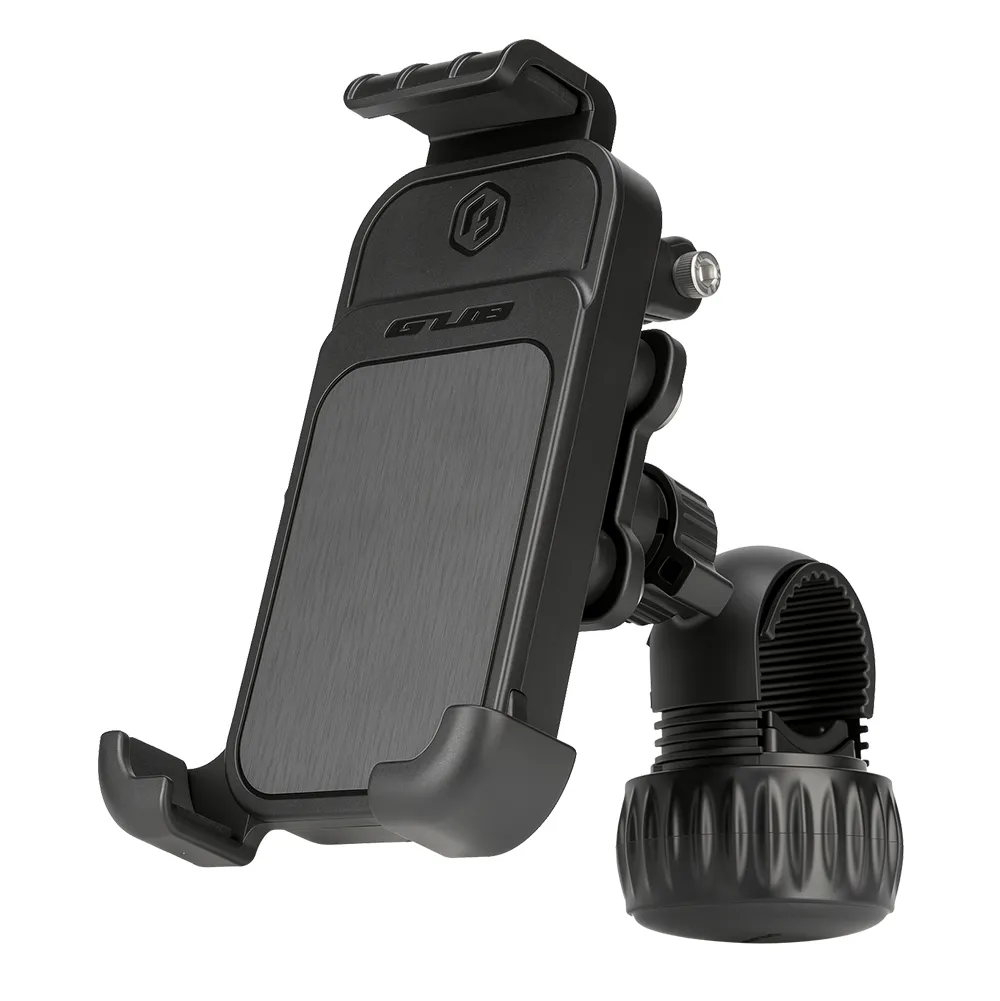
Phone mounts that fit e-scooter stems and bars and hold on over potholes and tram tracks. Ships from Australia, free shipping over $60.


Law updates, new models and buying guides for Australian e-scooter riders, straight to your inbox.
Most dead e-scooters aren't actually dead, they're a loose connector, a blown fuse, or a battery that was left too deep for too long, all of which are simple and inexpensive to fix once you know where to look, well short of the motor or battery replacement a rider might assume is coming.
Frequently asked questions
Why won't my e-scooter turn on after charging?
Common causes include the charger not being fully seated in the port, a loose or corroded charging connection, the power button being held incorrectly (some models need a longer press than expected), or a battery that's discharged too deeply to accept a normal charge. Work through each before assuming the battery itself has failed.
How do I know if it's the battery or the charger that's faulty?
Check the charger's own indicator light first, most chargers show a status light when plugged into a wall outlet, independent of the scooter. If the charger shows no light at all when plugged in alone, the charger itself may be faulty. If the charger lights up normally but the scooter still won't take a charge or power on, the issue is more likely with the scooter or battery.
Can a blown fuse stop an e-scooter from turning on?
Yes, several e-scooters have an accessible fuse, often near the battery compartment, that can blow from a short circuit or power surge. Check your model's manual for the fuse's location before assuming a more serious fault, a blown fuse is a simple, inexpensive fix.
When should I stop troubleshooting and call a technician?
Once you've ruled out the charger, connections, power button and any accessible fuse, and especially if you notice any swelling, unusual smell, heat, or damage to the battery itself. Battery and motor issues carry real electrical and fire risk and are best left to a qualified technician or your retailer from that point.
Sources
- Segway Australia (checked 19 Jul 2026)
- Inokim Australia (checked 19 Jul 2026)