
How to store your electric scooter over winter
If your e-scooter is going to sit unused for a season, a bit of preparation now saves you from pulling out a degraded battery or a seized-up scooter in spring. Storage isn't just parking it in the shed, it's a genuine maintenance step in its own right.
Last reviewed 19 Jul 2026
An electric scooter standing on a quiet city street. Photo for illustration.
Key points
- Store the battery at roughly 40 to 60 percent charge, not full and not empty, lithium-ion batteries degrade faster at either extreme.
- Choose somewhere dry, temperature-stable and out of direct sun, a garage or laundry beats an uninsulated outdoor shed.
- Top the battery back up every one to two months if the scooter is sitting unused for an extended period.
- Clean the scooter and check tyre pressure before storage, not just before your first ride back.
- Give it a proper check, not just a quick glance, before riding again after months of inactivity.
Get the battery charge level right first
This is the single most important step. Lithium-ion batteries, the type in every e-scooter on the market, degrade fastest when stored at either extreme, fully charged or fully depleted. The general practice recommended across the battery industry for extended storage is a partial charge, roughly 40 to 60 percent. If you're about to put your scooter away for winter with a full charge, or worse, let it sit until it drains to zero, you're accelerating the battery's long-term capacity loss for no real benefit. See our guide to how long e-scooter batteries last for how storage habits interact with a battery's overall lifespan.
Choose the right spot
Where you store the scooter matters almost as much as the charge level. A dry, temperature-stable indoor space, a garage, laundry or spare room, is a better choice than an uninsulated outdoor shed that swings between summer heat and winter cold. Extreme temperatures in either direction are hard on both battery chemistry and the scooter's other components, and damp storage areas invite corrosion on metal fittings and electrical contacts over time.
Don't just leave it and forget it
A battery sitting completely untouched for months will still slowly self-discharge. Check in every one to two months and top the charge back up to that 40 to 60 percent range if it's dropped meaningfully below it. This is a small time investment against the alternative: pulling out a scooter in spring with a battery that's degraded further than it needed to, or in a worst case, discharged so deeply it won't take a charge properly at all.
Prep the scooter itself, not just the battery
Before you put the scooter away, give it the same basic once-over covered in our guide to maintaining your electric scooter: check tyre pressure, wipe it down if it's been ridden in wet or dusty conditions recently, and make sure nothing's already loose or worn that a season of sitting still would only make worse. Tyres specifically benefit from being pumped to their correct pressure before storage rather than left low, which can cause flat-spotting over an extended period of not being ridden.
Coming back to it in spring
When you're ready to ride again, don't just charge it and go. Check tyre pressure, test the brakes properly (apply them while stationary and try to push the scooter, per our maintenance guide), and check for any obvious corrosion or damage from the storage period before your first real ride. If it won't power on at all after storage, our guide to troubleshooting common e-scooter problems covers the most common and easily fixable causes before you assume the worst.
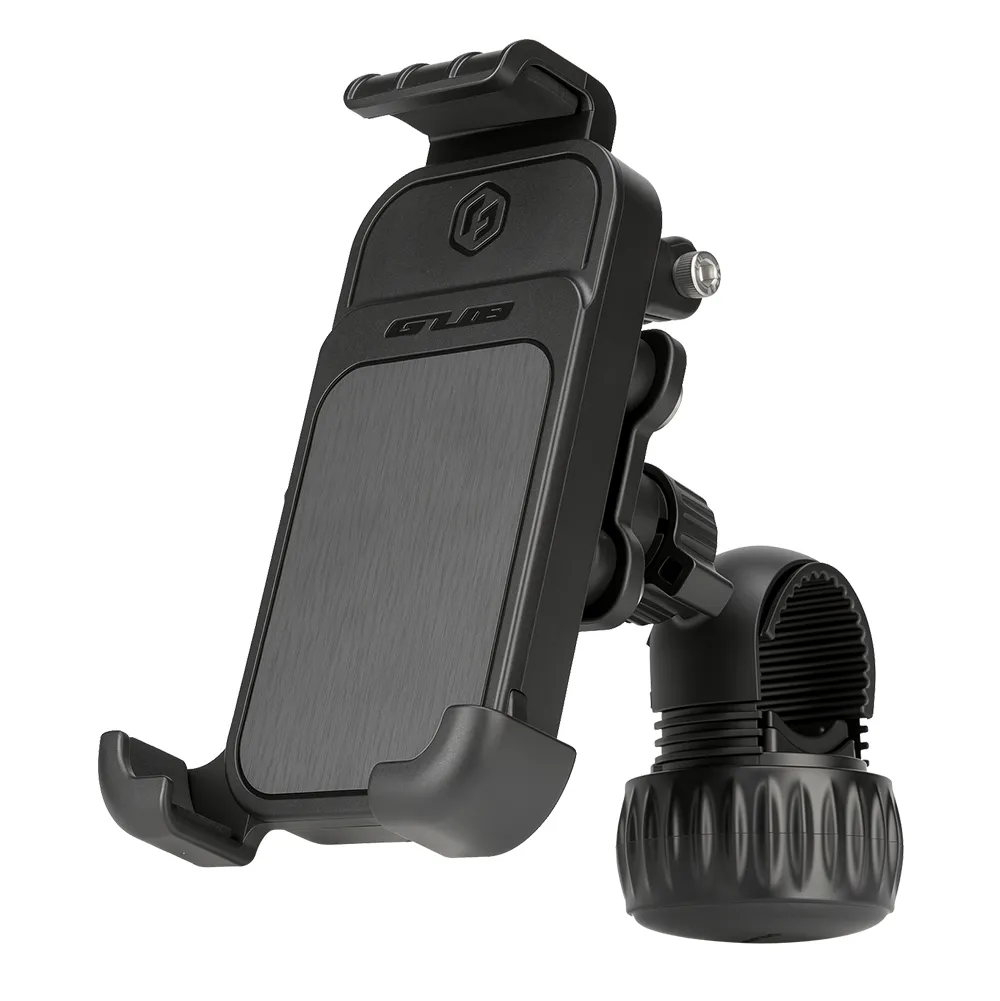
Phone mounts that fit e-scooter stems and bars and hold on over potholes and tram tracks. Ships from Australia, free shipping over $60.


Law updates, new models and buying guides for Australian e-scooter riders, straight to your inbox.
The scooters that come out of winter storage running well are almost always the ones that went in at a partial charge, in a dry spot, with someone checking in every month or two, not the ones left fully charged in a cold shed from May to September.
Frequently asked questions
What charge level should an e-scooter battery be at for storage?
Roughly 40 to 60 percent, not full and not empty. Lithium-ion batteries degrade faster when stored at either extreme, a partial charge is the general practice recommended across the battery industry for long-term storage.
Should you store an e-scooter battery fully charged?
No, storing a lithium-ion battery at 100 percent charge for an extended period accelerates capacity loss. A partial charge around 40 to 60 percent is the more protective option for storage lasting weeks or months.
Where's the best place to store an electric scooter?
Somewhere dry, indoors if possible, and out of direct sun and temperature extremes. A garage or laundry is generally better than an uninsulated outdoor shed exposed to heat swings, and battery performance and lifespan both suffer in extreme heat or cold.
How often should you charge a stored e-scooter battery?
Roughly every one to two months if the scooter is sitting unused for an extended period, topping the battery back up to that 40 to 60 percent range rather than letting it sit fully depleted.
Sources
- Segway Australia (checked 19 Jul 2026)
- Inokim Australia (checked 19 Jul 2026)