
New vs second-hand e-scooters: what to check before you buy
A second-hand e-scooter can be genuine value or a hidden battery problem waiting to surface, and the difference usually comes down to a handful of checks most buyers skip. Here's what actually matters, and what your consumer rights look like once you've handed over money.
Last reviewed 19 Jul 2026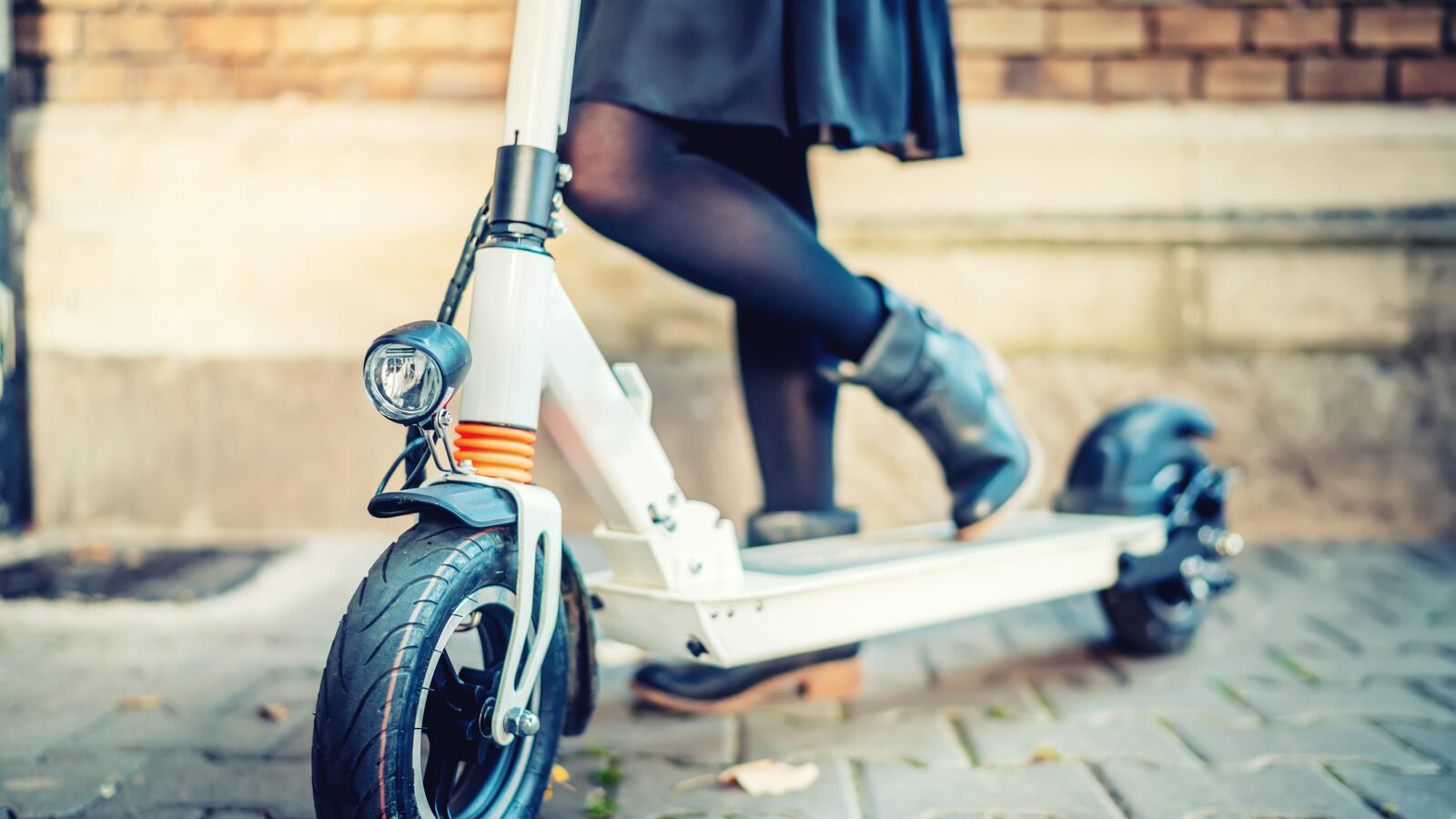
Close-up detail of an electric scooter's handlebar and display. Photo for illustration.
Key points
- Battery health and age are the single biggest risk in a used purchase, and the hardest thing to properly assess without a real test ride.
- Check for water damage, worn tyres, brake feel, accident history and whether the original charger is included.
- Australian Consumer Law guarantees mostly don't apply to private sales between individuals, only clear title, undisturbed possession and freedom from undisclosed securities still apply.
- Buying second-hand from a business rather than a private seller gives you the same consumer guarantee rights as buying new.
- New removes the biggest uncertainty (battery condition and history) entirely, at a cost premium that may or may not be worth it depending on your budget and risk tolerance.
The battery is the real question
Everything else about a used e-scooter is relatively easy to inspect, tyres, brakes, cosmetic condition. The battery is the exception: degradation isn't always visible from the outside, and it's also the single most expensive component to replace, sometimes representing a meaningful fraction of the scooter's original price. See our guide to how long e-scooter batteries last for what a healthy battery lifespan actually looks like and where the decline typically shows up. A proper test ride covering genuine distance, not just a lap of the driveway, is the best practical check available to a private buyer, pay attention to whether the range feels consistent with the seller's claims and whether the charge holds over a full day.
The rest of the physical checklist
Beyond the battery, work through the same basics covered in our maintenance guide: tyre wear and pressure, brake feel (apply the brake stationary and try to push the scooter forward), and any looseness in the stem or deck bolts. Ask directly about accident or crash history, and check for water damage signs around the deck seams and battery compartment, particularly relevant if the scooter's been used in wet conditions without proper care. Confirm the original charger is included, a generic or mismatched replacement charger can be a red flag worth asking about directly, since charging a battery with the wrong charger is a genuine safety concern, not just an inconvenience.
Your consumer rights differ a lot depending on who you're buying from
This is the part private buyers often assume incorrectly. Australian Consumer Law guarantees, the protections that normally apply to faulty goods, mostly don't apply to private sales between two individuals where the seller isn't running a business. Only a narrower set of guarantees still apply in a private sale: clear title, undisturbed possession, and freedom from undisclosed securities, essentially confirming the seller genuinely owns and can sell you the scooter, not a guarantee against it breaking down. If you buy second-hand from a business instead of a private individual, you're generally entitled to the same consumer guarantee rights as buying new, a meaningful difference worth checking before you assume "second-hand" always means "buyer beware" to the same degree.
Weighing it up
If you're comfortable doing the checks above, buying from a business for stronger consumer rights where possible, and accepting some residual battery-condition risk, second-hand can be genuine value, particularly for a first scooter while you work out what you actually want. If you'd rather remove that uncertainty entirely, a new scooter with a confirmed warranty and no unknown history is the simpler, lower-risk choice, see our complete guide to buying your first electric scooter for the fuller decision framework either way. Whichever you choose, factor insurance into your thinking too, it's a separate question from the scooter's own condition but relevant to your overall risk either way.
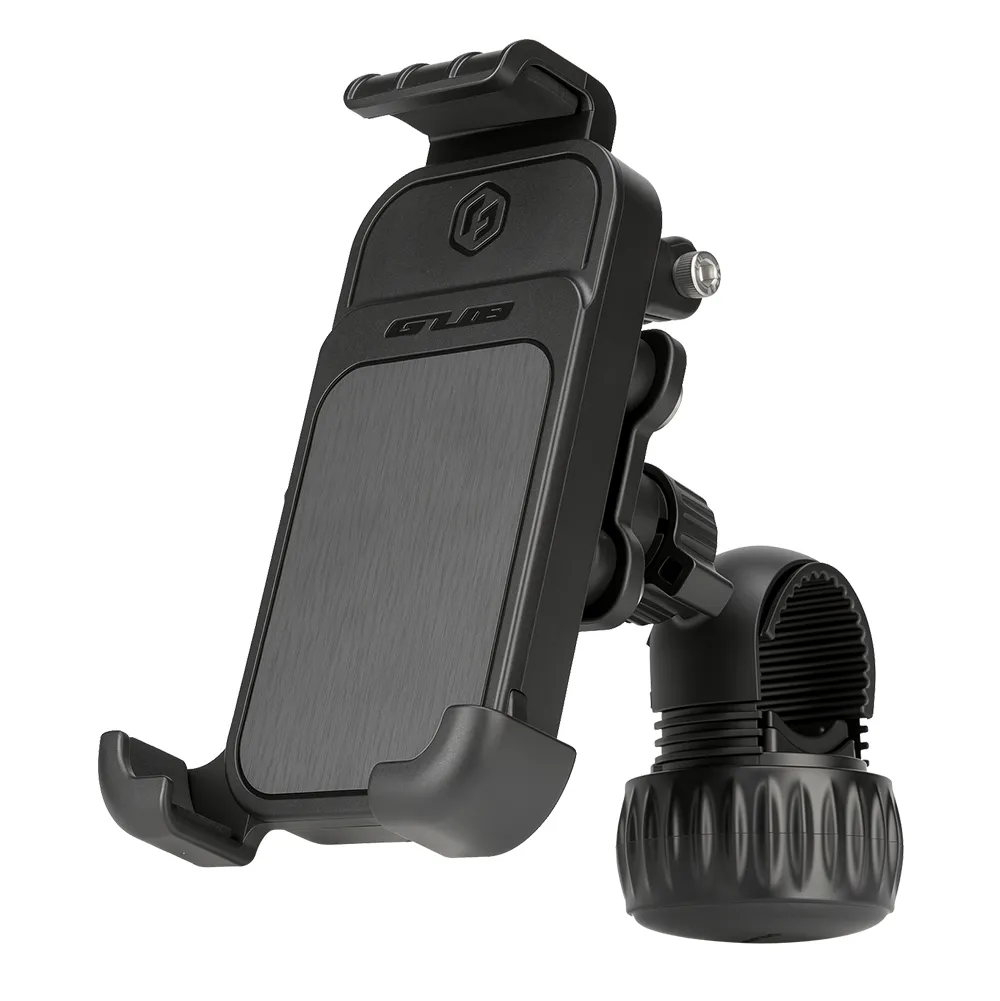
Phone mounts that fit e-scooter stems and bars and hold on over potholes and tram tracks. Ships from Australia, free shipping over $60.


Law updates, new models and buying guides for Australian e-scooter riders, straight to your inbox.
Nearly everything wrong with a used e-scooter is visible if you actually look, tyres, brakes, bolts, water damage. The one thing that isn't reliably visible is exactly the thing that costs the most to get wrong: the battery.
Frequently asked questions
What should you check before buying a second-hand e-scooter?
Battery health and age first, since it's the most expensive component to replace and the hardest to assess without a proper test ride and charge cycle. Also check for water damage, worn tyres, brake feel, any accident history, and whether the original charger is included, a generic replacement charger can be a red flag for battery mismatch.
Do you have consumer rights when buying a used e-scooter privately?
Very limited ones. Australian Consumer Law guarantees mostly don't apply to private sales between two individuals where the seller isn't a business, only clear title, undisturbed possession and freedom from undisclosed securities still apply. Buying second-hand from a business, rather than a private individual, gives you the same consumer guarantee rights as buying new.
Is a second-hand e-scooter battery a big risk?
Yes, it's the single biggest risk in a used purchase. Battery degradation isn't always visible from the outside, and a battery near the end of its useful life is expensive to replace, sometimes close to a meaningful fraction of the scooter's original price. A test ride covering real distance is the best practical check available to a private buyer.
Is buying new always worth the extra cost?
Not always, but it removes the biggest uncertainty: battery condition and history. If budget is tight and you're comfortable doing the checks above (or buying from a business rather than a private seller for stronger consumer rights), second-hand can be genuine value. If you'd rather not take on that uncertainty at all, new is the simpler choice.
Sources
- ACCC: Consumer rights and guarantees (checked 19 Jul 2026)
- ACCC Product Safety: Buy safe second-hand products online (checked 19 Jul 2026)